


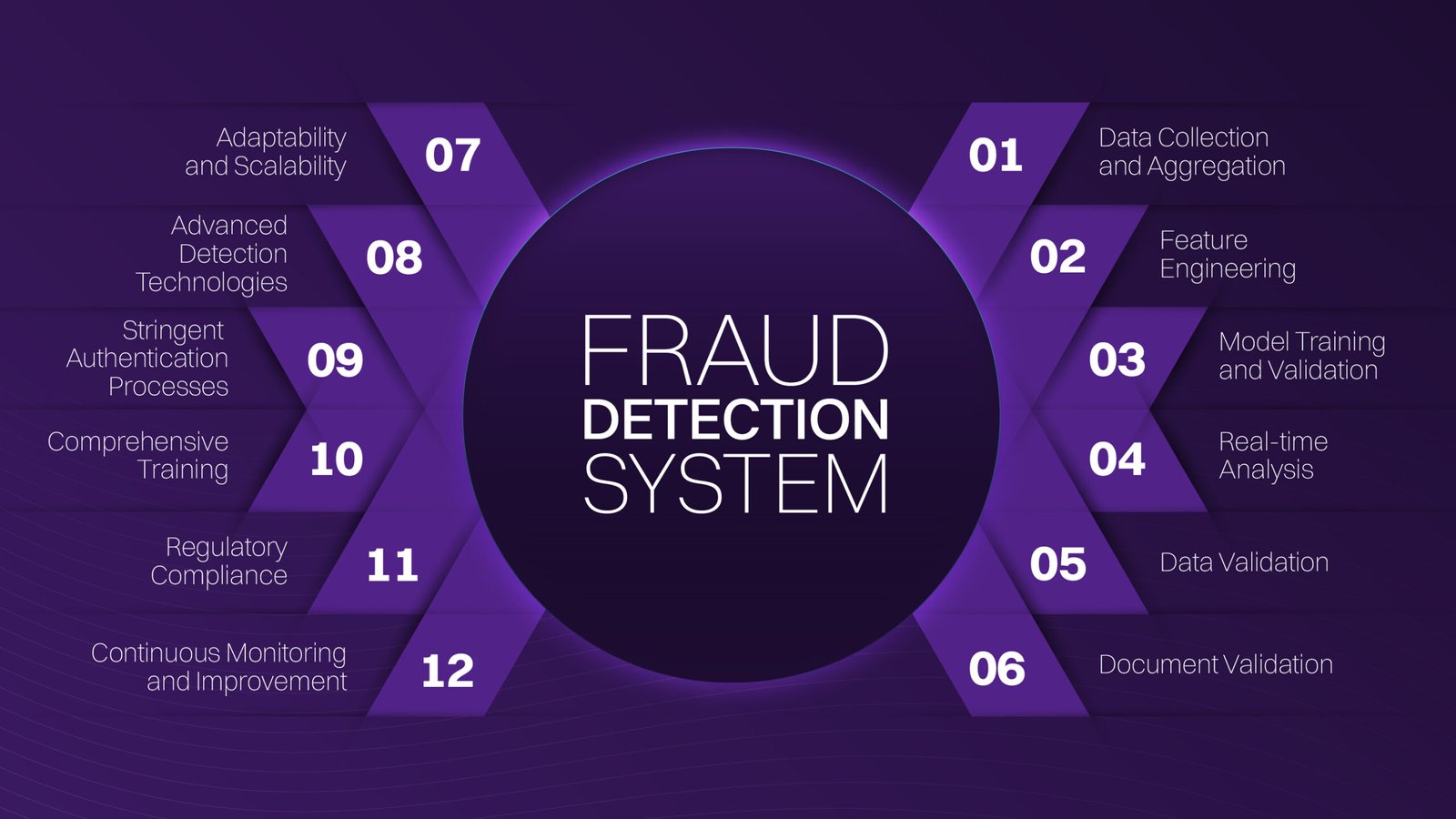
Strong defenses should feel like air conditioning – always on, rarely noticed, and missed only when absent. In real-time entertainment, the best anti-fraud systems protect accounts, payments, and play integrity, ensuring smooth everyday actions. Protection earns loyalty when it works with human rhythms instead of fighting them.
Quiet defenses, visible fairness
Safety lands best when the first touch is familiar. Many fans jump into live slates from a consistent entry and expect the same calm prompts during busy moments – for example, scanning fixtures through the desi betting app while device checks and session safeguards run in the background. The interface stays focused on the match; the platform quietly confirms that the person, the payment route, and the device belong together. That balance prevents false alarms without leaving gaps.
The rule of thumb is simple. Put heavy lifting under the hood, keep receipts readable on screen, and ask for extra steps only when risk truly rises. People accept friction when it is rare, specific, and explained in plain language.
Risk engines tuned for real life
Fraud does not follow a single pattern, so detection cannot rely on a single rule. Modern stacks layer several lightweight signals that are hard to fake and easy to score. Device health checks verify operating system basics without digging for personal data. Velocity monitors watch for unnatural bursts across deposits, withdrawals, and new routes. Location confidence is inferred from network stability rather than demanding precise coordinates. Behavioral cues focus on rhythm – how a typical session flows – instead of profiling content.
Crucially, each signal is scored in context. A new device during travel does not look the same as a brand-new identity plus a sudden cash-out request. The system escalates only when multiple risk threads align, which is why regulars rarely see a prompt outside sensitive moments.
When the system does need a closer look
Extra steps should arrive like a seatbelt click – brief, predictable, and clearly connected to the action. A payout to a new bank might trigger step-up verification that prefers an authenticator code over text. A risky card pattern may request a small test charge that is automatically refunded after confirmation. For identity refresh, the flow uses minimal capture – front and back of a document with edges visible and a short liveness check – then returns the user to the exact screen where the journey paused.
Explanations beat warnings. A short line that ties the prompt to the event keeps trust intact – device changed, route new, amount unusual. No lecture, no scare language, just the reason and the next step.
Signals that build confidence, not anxiety
- State labels that match the ledger – Authorized, Settling, Posted – so timing questions do not become tickets.
- Reference IDs for high-impact actions are displayed on screen, in notifications, and in exports, making support a quick lookup.
- Trusted-device lists with nicknames and last-seen notes, plus a revoke button for peace of mind.
- Two-factor via an authenticator as the default, with SMS as a fallback for edge conditions.
- Session locks after inactivity, which feels natural – the stream stays visible while the payment tray asks for a quick confirm.
These small, predictable cues make protection feel like part of the road, not a roadblock.
Friendly fraud and honest mistakes handled with care
Not every dispute is hostile. Mistaken taps, shared devices, or unclear timing can look like fraud from afar. A humane system separates intent from outcome. Tap-level timelines pair local and server time with the relevant event, so support can confirm whether an action landed before or after a lock without back-and-forth. If reversal is possible, the agent completes it in one reply. If it is not, the message explains why and offers a quick way to prevent repeats – confirm prompts on sensitive taps, short cool-offs for hot streaks, or tighter alert settings.
Chargeback prevention follows the same tone. Receipts show item, state, and reference in everyday language. If a claim appears, the platform can respond with a tidy packet rather than a scavenger hunt, which keeps genuine users out of the crossfire.
Payment routes that look steady to the bank
Many flags rise because the movement of money appears erratic. The fix is rhythm. Encourage one primary payout rail for a while before adding a second. Suggest predictable chunks instead of a single oversized request. When a new route is required, guide a small weekday test before larger amounts move. These patterns align with how issuers and processors think about risk – steady beats spiky – and they shorten reviews without loosening standards.
Behind the scenes, tokenized storage and idempotent writes stop duplicates when connections wobble. If a request retries, the ledger does not create twins. Users see a single clean line, which saves everyone time later.
UX patterns that prevent false positives
Design can de-stress both people and models. Clear spacing between primary and destructive actions reduces mis-taps that look suspicious at scale. One-hand reach zones keep common controls near the thumb, lowering jittery inputs that resemble scripting. Reality checks summarize time and net movement at gentle intervals; they cut emotional spikes that often precede risky behavior without sounding moralistic. Reduced-motion modes keep animations subtle so the screen stays readable under pressure, which lowers frantic repeats that trip rate limits.
Copy matters. Labels avoid idioms that confuse multilingual audiences. States are short and consistent across chat, email, and receipts. When the same noun appears in all places, humans and systems agree on what happened.
The fast path back to normal
Every defensive nudge should have a clean finish line. After a step-up, the app returns to the previous screen with context intact. After a manual review, a single notification explains the decision, the reference, and any change to limits. If safeguards are triggered too often, the person sees a short checklist to stabilize signals – verify this device, keep one payout route steady, enable authenticator codes – and each item completes in a few taps.
The paradox of good anti-fraud is that it makes the product feel faster. By catching the risky edge cases early and silently, it removes the random slowdowns that erode trust. People remember the calm, not the checkpoints.
Everyday safety that stays out of the way
Protection should follow the shape of real sessions – quick checks, tidy receipts, and prompts that appear only where risk lives. Layered signals, humane escalations, and steady payment rhythms keep false positives low while shutting down bad behavior quickly. Enter through a familiar live route, let the background checks do their quiet work, and judge by the small truths that never need a banner – the right prompt at the right second, and a clear path back to the match without losing momentum.