


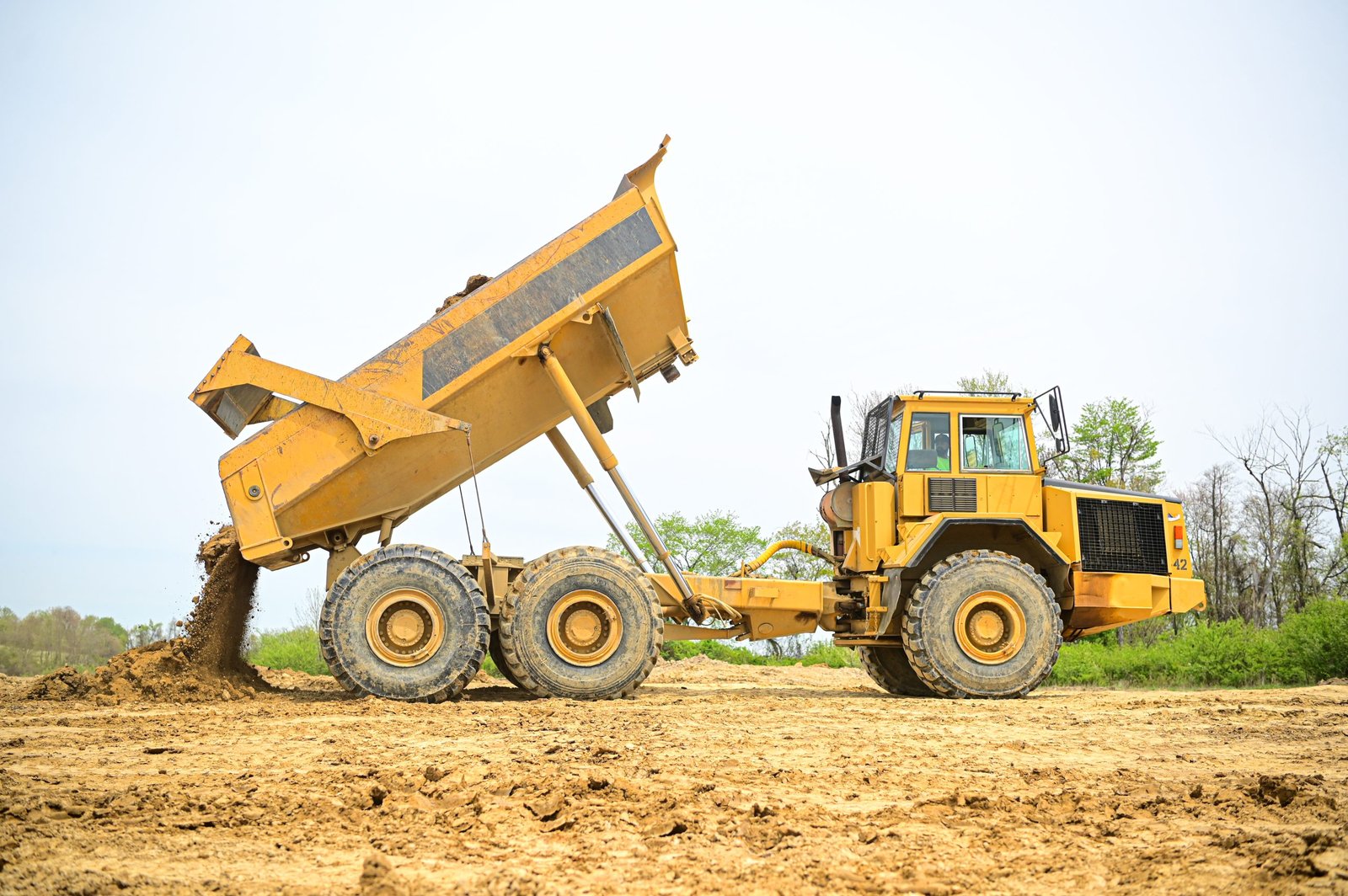
Working in construction or plant operations requires the right skills and safety knowledge. One of the most important machines used on many building sites is the dumper. These machines help move soil, gravel, and other materials quickly across a site. Because dumpers are powerful pieces of equipment, workers must complete proper dumper training before operating them. This training ensures that operators understand safety rules, machine controls, and correct working procedures.
Many construction companies prefer or require certified operators because it reduces risk and improves efficiency on site. A structured dumper training program teaches both theory and hands-on skills so operators can work safely and confidently. Training providers such as professional plant training centers guide learners through each stage of certification. Understanding the full process helps new operators prepare for the course and succeed in gaining their qualification.
Understanding What Dumper Training Is
Dumper training is a specialized program designed to teach workers how to safely operate site dumpers used on construction and industrial projects. These vehicles are commonly used for transporting materials across rough ground, making them essential for road building, landscaping, and general construction work. During training, participants learn how the machine works, how to inspect it before use, and how to control it in different conditions.
The training also focuses heavily on safety. Operating heavy machinery without the right knowledge can lead to accidents, injuries, or damage to property. Through guided instruction and practical practice, trainees learn about load limits, safe driving techniques, and hazard awareness. By the end of the course, learners should understand both the technical and safety aspects required to operate a dumper effectively on a busy work site.
Meeting the Basic Requirements Before Enrolling
Before joining a dumper training course, there are a few simple requirements most training providers expect from learners. Candidates usually need to be physically capable of operating machinery and able to understand safety instructions clearly. Basic knowledge of construction site practices can also help trainees learn faster during the course.
Many plant training centres also recommend that learners have a basic understanding of workplace safety and communication. This helps them follow instructions during practical exercises and interact safely with other workers on site. When enrolling through a trusted provider like those offering professional plant operator courses, trainees are guided through the entry requirements and supported throughout the learning process.
Classroom Learning and Safety Theory
The first part of most dumper training programs begins in a classroom environment. During this stage, instructors explain the fundamental principles of dumper operation. Students learn about machine parts, controls, safety systems, and daily inspection procedures. Understanding these basics helps trainees operate equipment safely once they begin practical work.
Safety regulations are also an important part of this stage. Trainees study workplace safety laws, site rules, and best practices for preventing accidents. Instructors often use real examples from construction sites to explain why safety procedures matter. By learning the theory first, trainees develop a strong knowledge base before they move on to operating a dumper in real conditions.
Practical Machine Operation Training
After completing the theory section, trainees begin the practical part of dumper training. This stage allows learners to operate the machine under the supervision of experienced instructors. They practice starting the dumper, steering, controlling speed, and moving materials across a controlled training environment.
Practical training also teaches operators how to handle different terrain conditions, slopes, and obstacles. Instructors show how to maintain balance when carrying loads and how to prevent tipping or instability. With repeated practice and feedback, trainees build confidence and develop the skills needed to operate dumpers safely on real construction sites.
Learning Pre-Operational Checks and Maintenance
A key part of becoming a certified dumper operator is learning how to inspect and maintain the equipment before use. During dumper training, trainees are taught how to carry out pre-operational checks that ensure the machine is safe to operate. These checks include examining tires, brakes, hydraulic systems, and warning signals.
Regular inspections help identify problems early and prevent mechanical failures during operation. Trainees also learn basic maintenance practices and how to report faults to supervisors. Understanding equipment care not only improves safety but also extends the life of the machinery, which is important for construction companies that rely heavily on plant equipment.
Preparing for the Certification Assessment
Once trainees complete both the theory and practical training stages, they must pass an assessment to receive certification. This evaluation typically includes a written or verbal test to measure knowledge of safety rules and machine operation. The goal is to confirm that the trainee understands the responsibilities of operating heavy equipment.
The practical assessment is equally important. During this test, learners demonstrate their ability to control the dumper, transport materials, and follow correct safety procedures. Instructors observe how trainees handle the machine and respond to different tasks. Passing both sections shows that the operator is capable of working safely and effectively on a construction site.
Benefits of Becoming a Certified Dumper Operator
Completing dumper training and gaining certification can open many opportunities in the construction industry. Skilled operators are in demand on building sites, infrastructure projects, and landscaping operations. Certification shows employers that the operator has received proper instruction and understands professional safety standards.
Another benefit is improved workplace safety and confidence. Trained operators are better prepared to handle real job site challenges. They know how to avoid common risks and operate machinery responsibly. This makes them valuable members of construction teams and increases their chances of long-term career growth in plant operations.
Conclusion
Getting certified through dumper training is a structured process that combines classroom learning, practical experience, and final assessment. Each step is designed to build the knowledge and skills required to operate heavy machinery safely. From understanding machine controls to practicing real driving techniques, the training prepares operators for the challenges of modern construction sites.
Choosing a reliable plant training provider helps ensure that learners receive professional instruction and hands-on guidance throughout the process. With proper training and certification, operators can work confidently, improve site safety, and build a strong career in the construction industry. Dumper training not only teaches machine operation but also creates responsible professionals who contribute to safer and more efficient work environments.
