


Internal investigations begin when a company sees signs that something has gone wrong and cannot be explained through routine management review. This may involve theft, document leaks, manipulation of reports, abuse of access, collusion with suppliers, or other conduct that creates financial, legal, or operational exposure. At that stage, the business needs more than assumptions. It needs a structured way to narrow facts, compare statements, and decide what to examine next. In some discussions of employee conduct and digital traces, even unrelated search terms such as chicken road 2 apk may appear beside serious compliance topics, which shows why companies must separate noise from evidence during any internal review.
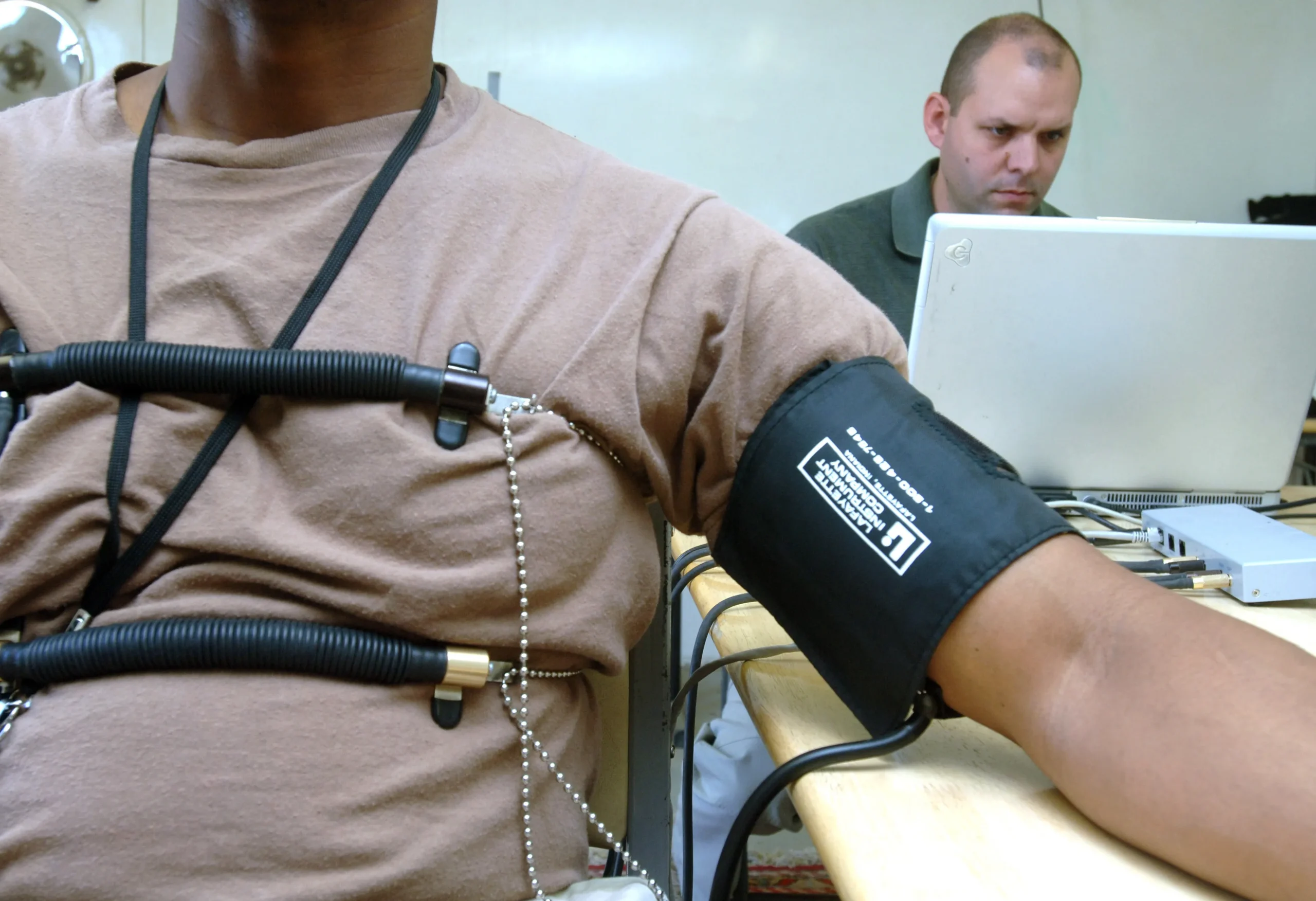
A lie detector test, or polygraph examination, is sometimes used as one element of that process. In practice, it does not replace the investigation. It does not function as a machine that simply identifies truth and falsehood. Its role is narrower. It helps investigators assess responses to specific questions and use that information to guide the next stage of review. To understand how it works in practice, it is necessary to look at the test not as an isolated event, but as part of a larger corporate fact-finding process.
Why Companies Use a Polygraph in an Internal Investigation
A company usually turns to a polygraph when there is a defined incident but the available evidence is incomplete. For example, money may be missing, data may have been leaked, inventory may not match records, or confidential information may have reached a third party. Management may already have documents, system logs, access records, or witness statements, yet still face conflicting explanations.
In these situations, the polygraph is used to reduce uncertainty. The company wants to know whether a person’s statement is consistent under structured questioning. This can be useful when several employees had access to the same process or when one employee denies involvement and there is not yet enough direct proof to confirm or reject that denial.
The main business reason is efficiency. Internal investigations consume time, managerial attention, and legal resources. If the polygraph helps narrow the field of inquiry or identify which facts deserve deeper examination, the company may reduce the duration and cost of the investigation.
The Polygraph Does Not Start the Investigation
In practice, the lie detector is rarely the first step. A proper internal investigation begins with fact collection. The company identifies what happened, when it happened, which systems or departments were involved, and who had relevant access or authority. It reviews documents, transaction records, communications, approvals, logs, and any other material that may define the event.
Only after this initial review does the polygraph become relevant. That is because the test works best when the issue is specific. The examiner needs clear subject matter, narrow time frames, and concrete questions. If the company cannot define the incident properly, the examination becomes weak from the start.
This is one of the most important practical points. The polygraph is not a replacement for investigation design. It depends on investigation design. The better the company understands the event before the test, the more useful the examination may become.
How the Process Usually Works
When used in an internal investigation, the polygraph process normally includes several stages. First, the company decides who may be examined and why. This decision should be based on role, access, relevance to the incident, and the need to clarify specific contradictions. It should not be based only on suspicion or personal conflict.
Second, the examiner receives background information about the case. This may include a summary of the incident, known facts, disputed points, and the exact purpose of the examination. The examiner is not there to guess what the company wants to know. The questions must be tied to a defined investigative issue.
Third, the examiner conducts a pre-test interview with the employee or other participant. This stage matters more than many people assume. The subject is informed about the process, the issue under review, and the wording of the relevant questions. The examiner also gathers information about the person’s understanding of the event and checks whether the subject can follow the procedure.
Fourth comes the chart collection phase, during which physiological responses are recorded while the subject answers a set of structured questions. These signals may include breathing, pulse activity, and skin response. After that, the examiner analyzes the data and prepares a conclusion based on the response pattern.
Finally, the company uses that conclusion as one input in the broader investigation. It does not end there. Management or compliance staff still need to compare the result with documents, access records, interviews, and other available evidence.
What Questions Are Asked in Practice
In internal investigations, the effectiveness of the polygraph depends heavily on question design. Questions must be focused on the specific matter under review. Broad questions such as “Are you an honest employee?” or “Have you ever lied at work?” are of little investigative value. They do not help resolve the actual incident.
Practical questions are narrower. They may relate to whether the subject took money from a defined source, shared internal information with an outsider, changed a record without authorization, concealed knowledge about a theft, or coordinated actions with another employee. The wording must be clear enough that the person understands exactly what is being asked.
This focus is what makes the polygraph more useful in internal investigations than in vague integrity checks. The company is not asking for a general moral judgment. It is trying to clarify one event or a limited group of facts.
How Companies Use the Result
In practice, companies use polygraph results in three main ways. The first is investigative prioritization. If the result suggests that one line of inquiry is weaker and another is stronger, the company may reallocate time and attention accordingly.
The second is corroboration. If the test result aligns with records, digital logs, or witness statements, the company may gain more confidence in its working theory of the case. The key word here is “aligns.” The result should support other evidence, not replace it.
The third is decision support. Management may consider the result when deciding whether to continue an investigation, expand it, interview additional people, restrict access, or strengthen specific controls. In some cases, it may also affect how the company evaluates credibility during disciplinary review. Even then, relying on the polygraph alone is risky.
The Practical Limits
The main practical limit is that the polygraph does not detect lies directly. It records physiological responses that an examiner interprets. That means stress, confusion, fear, and other factors can influence the outcome. A result may be informative, but it is not mechanical proof.
Another limit is organizational. If the company treats the test as the center of the investigation, it may neglect stronger sources of evidence. Internal misconduct usually succeeds because a control failed, a process was weak, or oversight was incomplete. A polygraph may help clarify one person’s statement, but it does not repair those deeper failures.
There is also a management risk. Poorly planned use of lie detector testing can damage trust inside the company. If employees see it as arbitrary or excessive, morale may fall and cooperation may weaken. That is why the method must be used only when the business reason is clear and the investigative need is real.
When It Works Best
In practice, the lie detector works best in internal investigations when five conditions are present. There must be a specific incident, a defined investigative purpose, relevant participants, a qualified examiner, and a company process that treats the result as one part of a larger review. Under those conditions, the examination may help reduce uncertainty and support a more focused inquiry.
Without those conditions, the test adds less value. It may create the appearance of rigor without producing a reliable basis for action.
Conclusion
In internal investigations, a lie detector works in practice as a supporting tool, not as a final judge. It is used after the company has already defined the incident, gathered facts, and identified the points that require clarification. The examination helps structure questioning, assess responses to specific allegations, and guide the next steps of the investigation.
Its practical value lies in focus, not certainty. A company that understands this can use the polygraph as part of disciplined case management. A company that expects it to solve the case by itself is likely to overestimate what the method can actually do.
