


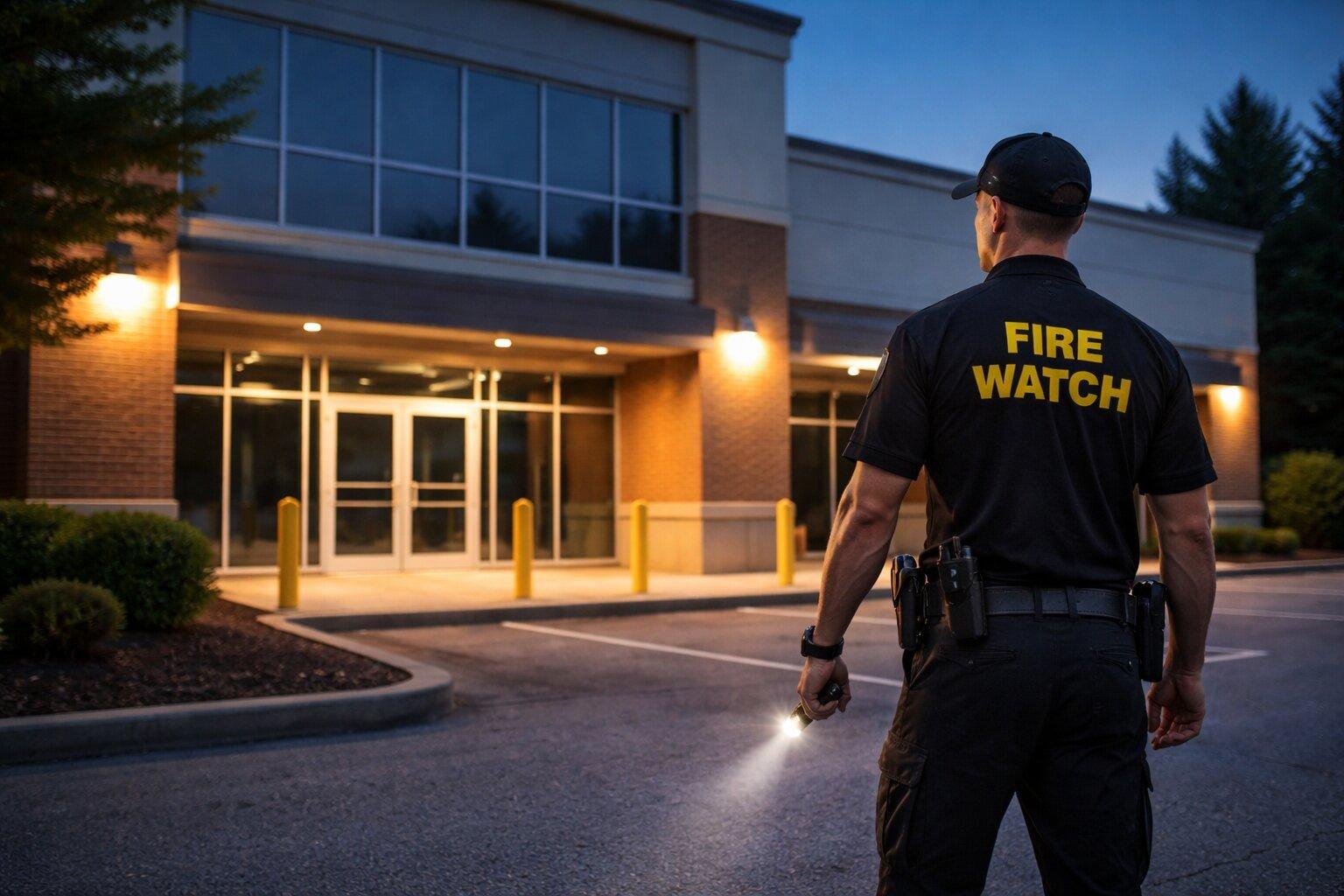
Managing temporary fire safety concerns requires a clear process and consistent attention. Property managers and building operators often face periods when normal protection systems are unavailable or limited. During these situations, additional monitoring becomes necessary to reduce risks and support occupant safety. They also want to know what actions should be taken when alarms, sprinklers, or related systems are not functioning as expected.
The phrase fire watch apartment building coverage refers to organized monitoring activities designed to identify hazards early and report concerns quickly. Without a structured process, important observations may be missed, creating confusion and increasing the chance of preventable incidents. This discussion explains practical methods that support reliable temporary protection.
Planned Monitoring Improves Daily Oversight
A structured process creates better results than relying on assumptions. Consistent routines help personnel identify concerns before they become larger problems.
Important Points
- Follow documented inspection routes during every scheduled observation round
- Record unusual conditions using clear notes and accurate details
- Verify communication equipment remains available throughout assigned monitoring periods
- Review safety responsibilities regularly to maintain dependable task completion
Why It Matters?
Clear procedures reduce uncertainty and support accountability. Organized monitoring helps maintain awareness across the property while temporary protection measures remain active.
Clear Reporting Supports Faster Responses
Accurate reporting provides valuable information for supervisors and property teams. Written records help track concerns, identify recurring issues, and confirm completed inspections.
Additional Points:
- Document observed hazards immediately
- Note corrective actions taken
- Maintain organized inspection records
When reporting remains consistent, decision-makers can respond more efficiently and reduce unnecessary delays.
Staff Coordination Strengthens Site Awareness
Good communication helps monitoring personnel remain informed about changing conditions. Coordinated teams can respond more effectively when concerns are identified.
Important Points
- Share updated inspection findings during scheduled shift transitions
- Confirm contact details remain accurate for emergency communication
- Maintain awareness regarding restricted sections needing additional observation
- Review temporary protection measures before beginning assigned duties
- Track maintenance progress affecting current monitoring responsibilities carefully
- Verify lighting conditions support visibility throughout inspected locations
- Monitor entry activity requiring attention during designated patrol periods
- Keep observation records organized for future review requirements
Additional Points:
- Encourage routine information sharing
- Confirm responsibilities before each shift
- Report unusual conditions promptly
Strong coordination reduces misunderstandings and improves overall site awareness.
Coverage Scheduling Based on Conditions
Scheduling inspections according to property needs helps improve efficiency. Higher risk periods may require more frequent observation rounds.
This method works by aligning monitoring efforts with actual conditions. In practice, staffing availability can affect scheduling flexibility. One limitation is that unexpected circumstances may require rapid adjustments.
Monitoring Activity Reference Table
In many situations, a structured fire watch apartment building program helps ensure temporary monitoring remains organized and effective while protection systems are being restored.
Step-Based Response Planning
A simple action plan helps maintain consistency during temporary monitoring periods.
- Review current safety conditions
- Confirm assigned responsibilities
- Establish inspection schedules
- Conduct observation rounds
- Record findings clearly
- Report concerns immediately
- Verify corrective actions completed
- Continue scheduled monitoring
Following these steps creates a repeatable process that supports dependable oversight.
Frequently Asked Questions
- What is temporary monitoring coverage? It is a planned process used when normal protection systems are unavailable or limited.
- Why are inspection records important? They provide documentation of observations, actions, and completed reviews.
- How often should patrols occur? Frequency depends on site conditions, risk levels, and operational requirements.
- What is the main purpose of monitoring rounds? They help identify hazards early and support timely reporting.
- Why is communication important? Clear communication helps concerns reach the appropriate personnel quickly.
Maintaining Reliable Protection Through Oversight
Temporary monitoring works best when procedures remain clear and consistent. Regular inspections, accurate records, and dependable communication help reduce uncertainty. Property teams benefit from organized oversight that adapts to changing conditions. Reviewing performance and correcting weaknesses supports better outcomes over time. Effective fire watch apartment building coverage remains a practical solution when temporary safety challenges require immediate attention.
