


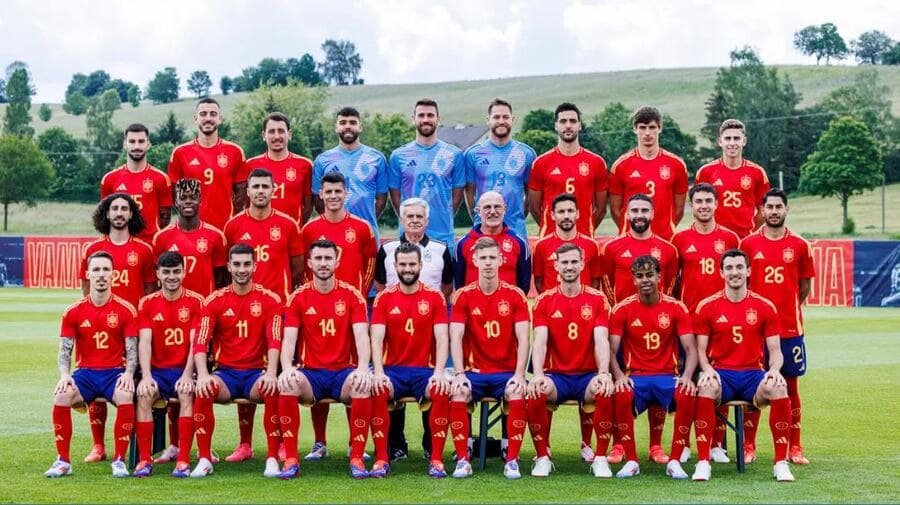
Football has never been only a sport. It has been a moving story of culture, identity, ambition, and shared emotion across generations. From muddy fields and local club grounds to packed stadiums and worldwide broadcasts, the journey of football players has mirrored the transformation of the modern world. The rise of global media, commercial sponsorship, social platforms, and international tournaments has turned many players into figures recognized far beyond the pitch, and brands such as HUBET have become part of the wider conversation around how football reaches audiences everywhere.
The Early Roots of Football Stardom
In the earliest days of organized football, players were admired mostly within their own towns, cities, or nations. The game was still growing into a formal structure, and fame was built through word of mouth, newspaper columns, and local match reports. A great striker or a fearless defender could become a legend in one region without ever becoming a worldwide name. That limited reach gave early football culture a different shape, where loyalty and reputation mattered more than visibility.
As leagues developed, the first true football stars began to emerge. Their achievements were measured not only by goals and trophies but also by the way they inspired supporters and represented their clubs. These players helped create the emotional bond that still defines football today.
Key points
- Early football fame was local rather than global.
- Newspapers and club culture shaped player reputation.
- Community loyalty was central to how stars were remembered.
The Era of Legendary Match Winners
As football became more organized and competitive, certain players stood out because they could decide the biggest matches. These match winners became the heroes of an era when television was still limited and live exposure was rare. A single unforgettable performance in a final or derby could define an entire career. Their greatness was not just technical; it was dramatic, visible, and decisive.
This period built the idea that football players could become symbols of hope and pride. They were not simply athletes performing a job. They were the faces of a generation, carrying the dreams of supporters who saw their own emotions reflected in each goal, save, or tackle.
Key points
- Big-match performances created lasting legends.
- Heroes were built through decisive moments.
- Emotional connection was as important as skill.
How Television Changed Football Fame
Television changed everything. Once football moved onto screens, players were no longer seen only by people inside stadiums. Their faces, styles, celebrations, and personalities entered homes around the world. This shift expanded fame rapidly and made the sport more accessible to millions of viewers who had never attended a match in person. It also changed how players were remembered, since a famous match could now be replayed repeatedly and discussed for years.
Television also helped build the modern football image. Players were judged not only by what they did on the field but also by how they looked, spoke, and carried themselves in interviews. A strong presence on camera could elevate a player from excellent to iconic. That new environment created a more global version of stardom, where local legends could become international household names.
Key points
- TV expanded football audiences across borders.
- Replays and highlights made iconic moments last longer.
- Player personality became part of public identity.
The World Cup and the Making of Icons
The World Cup has played a major role in turning football players into global icons. Unlike domestic leagues, the tournament brings together nations, cultures, and rivalries on one stage. A player who shines in the World Cup can become a worldwide figure almost overnight. The tournament creates stories that are easy to remember: a brilliant run, a famous goal, a heartbreaking miss, or a heroic final.
Because the World Cup occurs only every four years, its emotional weight is enormous. Players who succeed there often become part of football history forever. Their performances are discussed across generations, and their names are remembered even by casual fans who may not follow club football closely. The tournament has a way of turning talent into legacy.
Key points
- The World Cup offers a massive global platform.
- Rare tournament moments create lasting memory.
- National pride intensifies player fame.
The Rise of the Modern Football Superstar
Modern football superstars are not famous only for their ability to score or defend. They are public figures with enormous influence across sport, business, fashion, and entertainment. Their lives are followed by fans, journalists, and sponsors in ways earlier generations never experienced. Social media has made this even stronger, giving players a direct channel to millions of followers and allowing them to shape their own public image.
This new era has made football a global entertainment industry. Players now represent more than clubs and countries. They represent lifestyles, values, and often entire movements. Their training routines, celebrations, charity work, and personal stories all contribute to their image. The modern superstar is both an athlete and a brand, which has changed the meaning of fame in football forever.
Key points
- Social media gives players direct global reach.
- Fame now extends beyond sport into culture.
- Modern stars manage both performance and image.
The Commercial Power Behind Football Fame
Commercial growth has played a huge part in the rise of football icons. Sponsorship deals, advertising campaigns, boot contracts, and club merchandising have all helped players become visible on a massive scale. Companies know that a famous footballer can connect with audiences instantly, often more effectively than traditional advertising. That is why the commercial side of the game has become so closely tied to player identity, including in spaces connected to HUBET88.
However, commercial success is not built on fame alone. Brands usually attach themselves to players who combine talent, discipline, charisma, and trust. The most successful footballers are those who create not just excitement but also recognition and loyalty. Their influence becomes a form of cultural capital that extends far beyond the stadium.
Key points
- Sponsorships amplify player visibility.
- Commercial value depends on trust and image.
- Football fame now operates as a global market force.
Football Players as Cultural Symbols
Football players often become symbols of more than their sport. They can represent national resilience, working-class pride, immigrant success, or personal reinvention. Their journeys are frequently seen as stories of struggle and triumph, which makes them deeply relatable to fans. This symbolic power helps explain why some players remain beloved long after their prime years are over.
A famous player may inspire a child to start playing, influence fashion trends, or shape conversations about leadership and teamwork. In many countries, footballers are treated as public voices whose actions matter beyond the game. Their importance grows because they are seen not only as performers but also as reflections of society itself.
Key points
- Players often symbolize social and cultural values.
- Their stories can inspire future generations.
- Their impact reaches far beyond match results.
The Future of Football Icons in a Connected World
The future of football stardom will likely be even more interconnected. Digital platforms, streaming, global fan communities, and constant media coverage mean that players can become famous faster than ever before. At the same time, the pressure is greater because every action can be recorded, shared, and judged instantly. Fame is broader, but it is also more fragile.
What will remain constant is the power of great football. Fans will always admire players who combine skill, courage, consistency, and character. Technology may change how stars are discovered and discussed, but the essence of football fame will stay rooted in emotion. The players who rise above the rest will be those who make people believe in something larger than the game.
Key points
- Digital media accelerates fame and scrutiny.
- The core of icon status remains performance and character.
- Future legends will still be shaped by emotion and memory.
Conclusion: Why Football Players Became Global Icons Across Generations
The history of football players is also the history of how ordinary athletes became extraordinary symbols of global culture. From local heroes to international superstars, the path to fame has been shaped by competition, media, commerce, and the deep emotional power of the sport itself. Each era has added a new layer to the story, but the heart of it has stayed the same: people admire footballers because they turn effort into spectacle and talent into memory.
What makes football unique is that its icons are not created only by statistics. They are made by moments, personality, and the way they connect with millions of supporters across different languages and borders. That is why football players continue to rise beyond the game and become part of global history. Their legacy lives not only in trophies and records, but in the way they inspire belief, pride, and imagination around the world.
Key points
- Football icons are shaped by history, media, and emotion.
- Their legacy comes from both performance and presence.
- Global fame in football remains one of sport’s most powerful stories.
