


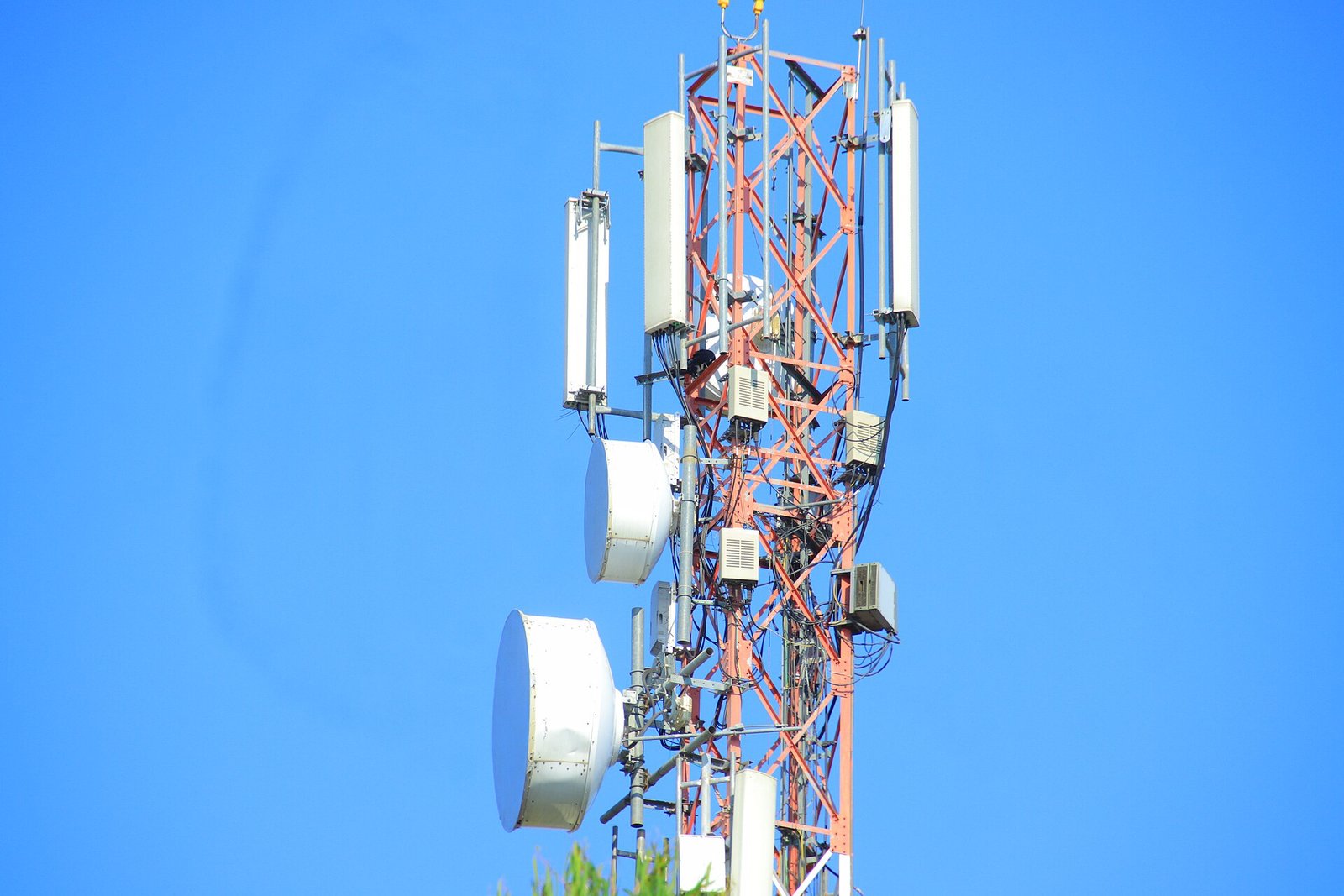
While 5G networks are still being built out across much of the world, the industry that makes them has already moved on to defining the sequel. Standards work for sixth-generation mobile technology is formally under way in the 3GPP, the global standards partnership, with commercial launches targeted around 2030. The early documents describe something more ambitious than a faster phone connection: a network designed from birth to run artificial intelligence inside itself, and to sense the physical world as a by-product of communicating through it.
Every generation adds a trick. 3G brought data, 4G made it broadband, 5G promised — and partly delivered — capacity, latency and machine connections. 6G’s candidate tricks are stranger. Integrated sensing would let base stations detect movement, objects and even rainfall from the way signals reflect, turning the network into a continent-scale radar that happens to carry calls. New spectrum above 100 GHz offers oceans of bandwidth over short distances, while AI-native design means the network continuously re-tunes itself rather than following static plans. Research programmes catalogued by the International Telecommunication Union, which sets the framework requirements, read like a catalogue of these ambitions.
The Sober Footnotes
Experience counsels discounting the launch rhetoric. 5G’s most advertised features arrived late or remain niche, its energy costs surprised operators, and consumers mostly experienced it as a somewhat faster 4G. The physics of very high frequencies is unforgiving — signals blocked by walls, rain and hands — which is why most engineers expect 6G to densify existing bands rather than leap wholesale into exotic spectrum. The honest core of the programme is evolution: better efficiency, ubiquitous coverage via satellite integration, and positioning accurate to centimetres. Our reporting follows the standards race in our technology coverage.
Why It Matters Before It Exists
The Chicken, the Egg and the Spectrum Auction
Every generation faces the same sequencing puzzle: operators will not build networks without devices and use cases, and developers will not build either without networks. Governments resolve it by auctioning spectrum years early, converting future promises into present revenue and obliging winners to build. The 6G cycle adds a complication — mid-band spectrum, the sweet spot of range and capacity, is crowded with incumbents from radar to satellite, and the re-farming fights will consume much of the decade. Meanwhile the standards process itself has become a venue of industrial diplomacy, with regional blocs coordinating proposals the way trade negotiators coordinate texts. For consumers, the translation is simple: whatever 6G becomes, its shape is being fixed now, in documents few will read, by people who understand that a generation of technology is a twenty-year annuity for whoever writes its rules well.
Energy may be 6G’s most honest specification. The industry’s previous generation multiplied traffic and power draw together, and the operators now paying those electricity bills have made efficiency a first-order design requirement rather than a marketing line: networks that sleep intelligently between packets, architectures that process at the edge instead of hauling everything to distant data centres, and a target of more bits per joule written into the research calls themselves. If the standard delivers, 6G becomes the first generation whose environmental ledger improves on its predecessor’s while doing more — a condition, increasingly, of its political licence to occupy spectrum and skyline at all.
Generational standards are industrial strategy written in specifications. The countries and companies whose patents and priorities shape 6G will collect royalties and set the terms for a decade of equipment — which is why governments fund 6G research programmes now, years before a single consumer device exists. The network of 2035 is being negotiated in committee rooms today. Whether it arrives as a revolution or a refinement, its blueprint is already an argument about who builds the future’s plumbing.
