


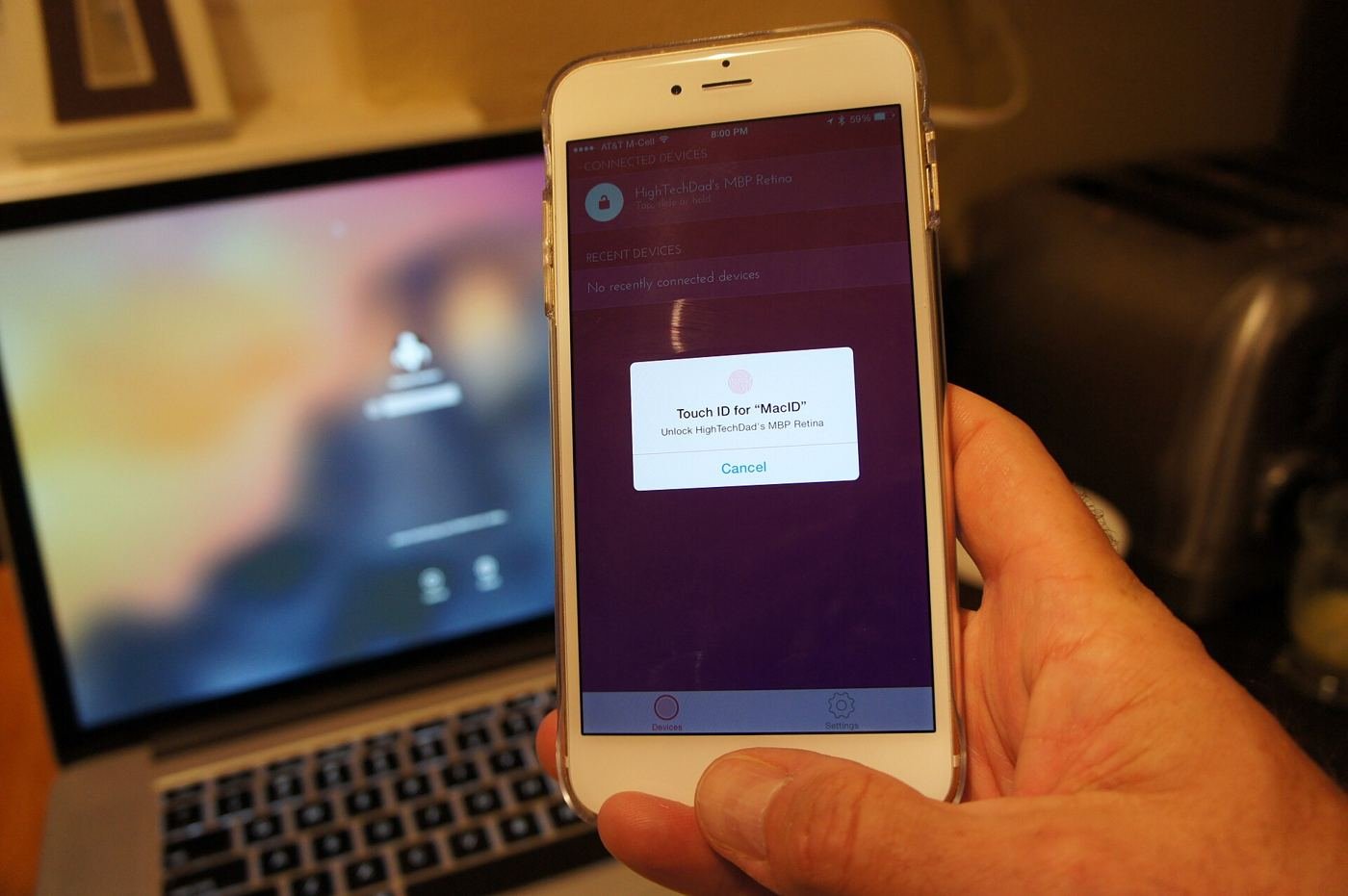
Passwords have been the weak link in online security for decades: people reuse them, choose obvious ones, and fall for phishing pages that steal them. Passkeys offer a different approach. Instead of a secret phrase, a passkey is a pair of digital keys, one stored on the device and one held by the website, and they only work together. Signing in takes a fingerprint, a face scan or a device PIN, and there is nothing to type or remember. Because the private key never leaves the device, a fake website cannot trick it out of the user, which makes phishing far harder. Apple, Google and Microsoft now support passkeys across phones, tablets and computers, and many large websites have started offering them as an option.
What the Evidence Shows
Switching to passkeys is gradual, since most accounts still offer passwords alongside them. Users can turn passkeys on for the services they use most, such as email and banking, and keep passwords for the rest until support spreads. Losing a device is the main worry, but passkeys can sync through a cloud account or be stored on a second device, so access is not lost with one phone. Older relatives may need help setting them up, since the first sign-in feels different from typing a password. Recovery codes should be stored safely in case every device is lost at once. Security experts expect passkeys to become the normal way of signing in within a few years, with passwords fading into the background. For anyone tired of resetting forgotten passwords, the change cannot come soon enough. Reporting and analysis from sources such as IEEE Spectrum track the same developments, and specialists following passkeys say the direction is now consistent across independent lines of evidence.
The Wider Context
Adoption of passkeys follows a familiar pattern with an unfamiliar speed. Early users tolerate rough edges in exchange for advantage, mainstream users arrive when the tool disappears into existing workflows, and the market consolidates around whoever made that transition feel effortless. Vendors are racing less on raw performance now than on integration, support and trust.
What Happens Next
The realistic forecast for passkeys is steady integration rather than sudden replacement: embedded in products people already use, improving in increments, and regulated in proportion to its reach. The companies and institutions that plan on that basis, training staff and redesigning processes instead of chasing launches, are the ones the adoption data tends to vindicate. You can follow related developments in our coverage of technology.
It is also worth remembering how quickly the picture in this area has changed before. Positions that looked settled a few years ago have been revised as new data arrived, and the same humility is appropriate now. The strongest coverage of this subject, and the most useful advice, tends to come from sources that update their views openly when the facts move, rather than defending an earlier position long after it has stopped fitting the evidence available.
