


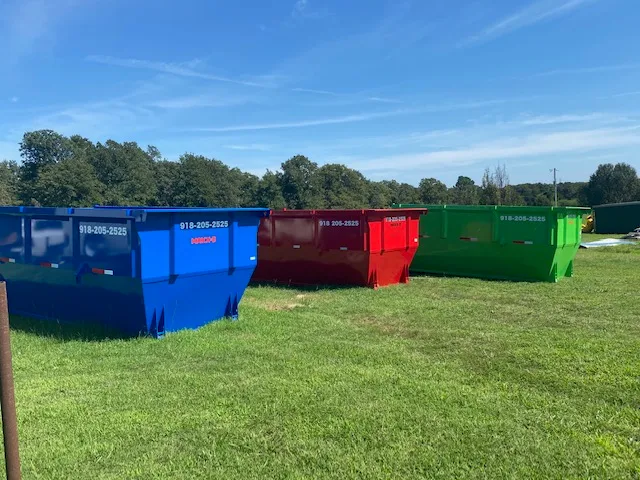
A cleanup project can begin with one innocent decision: finally reclaiming the garage. Three hours later, you are surrounded by broken shelving, worn carpet, and boxes nobody remembers packing. A dumpster gives approved waste somewhere to go, but arranging the rental still takes planning.
Digital tools can make that planning easier. From online ordering to route optimization, technology helps organize the information behind the delivery. For homeowners and contractors, the practical benefit is clearer decisions before the heavy lifting begins.
Online Booking Brings Rental Details Together
Online ordering gives customers a convenient starting point for comparing dumpster options and arranging service. Instead of relying on scattered notes, renters can review available information about container sizes, rental periods, and included weight.
When researching a dumpster company in tulsa, look beyond the booking button. Check the service area, accepted materials, and potential additional charges before choosing a container. A convenient checkout works best when the rental terms are equally clear.
Save the confirmation and review the delivery address carefully. If your project involves unusual debris or difficult access, discuss those details with the provider. An online form cannot anticipate every driveway or demolition surprise.
Better Measurements Support Better Dumpster Choices
Digital planning does not require expensive software. A phone camera, measuring tape, and simple inventory can help describe what needs removal. Photograph the larger items, note their approximate dimensions, and identify the materials involved.
Volume and weight answer different questions. Cubic yards describe how much space a container holds; the weight allowance concerns how heavy its contents can be. Bulky furniture and dense masonry create very different loading situations.
Two Brothers Dumpsters lists several dumpster sizes and offers guidance on choosing an option for the project. Sharing an accurate description gives that conversation a useful starting point.
For a household cleanout, walk through each room before reserving. It is easy to remember the couch and forget the damaged wooden bookcase upstairs. For renovation work, include both removed materials and packaging from replacement products, then ask the provider about anything you are unsure how to handle.
Treat online calculators as estimates. Irregular shapes, empty spaces between objects, and material density can all affect the final load.
Route Optimization Helps Organize Delivery Schedules
Behind many delivery services, routing software helps organize stops using information such as addresses, vehicle capacity, working hours, and delivery windows. These systems can generate routes and flag orders that do not fit the available schedule.
For dumpster operations, the value lies in coordinating container deliveries and collections across multiple projects. The customer still has an important role: provide the correct address and explain access restrictions before the truck arrives.
Technology cannot remove traffic, weather, or an unexpectedly blocked entrance. Keep the placement area available and confirm the delivery arrangements directly with your provider. A route on a screen still has to work on the street.
Digital Records Keep Cleanup Projects Organized
A shared calendar or project folder can give everyone involved one place to check rental dates, placement instructions, and the agreed pickup process. This is especially useful when a homeowner, contractor, and property manager are coordinating the same job.
For example, a renovation team could save the booking confirmation beside its demolition schedule. If the work changes, the person responsible for the rental can contact the provider before the original collection date.
Photos can also support clearer communication about the placement area or remaining debris. Ask which communication method the company prefers, and obtain confirmation when requesting changes. Sending a message alone does not mean an extension or pickup adjustment has been approved.
Simple Material Tracking Can Support Reuse
The Environmental Protection Agency identifies reducing waste, salvaging materials, and recycling as ways to keep construction and demolition materials out of disposal streams. A basic digital inventory can help turn those principles into a practical project plan.
Before loading begins, record which usable items might be donated or reused and which materials need separate handling. An intact door may have another useful life; mixing it into demolition debris can eliminate that opportunity.
Confirm acceptance requirements with the receiving organization or facility. Recycling options depend on the material and available local outlets, and renting a dumpster does not automatically mean every item will be recycled. Separate planning makes those decisions more deliberate.
Put Smarter Planning to Work on Your Next Cleanup
The most useful cleanup technology helps people make informed choices and coordinate ordinary tasks. Online booking can organize rental information, photos can clarify the project, and digital records can keep schedules easier to follow. Combined with accurate material descriptions and direct communication, these tools support a more manageable dumpster rental experience. Start with the debris you actually have, confirm the terms, and prepare the site before delivery. Your garage may still hold a few mysteries, but the cleanup plan should not.
