


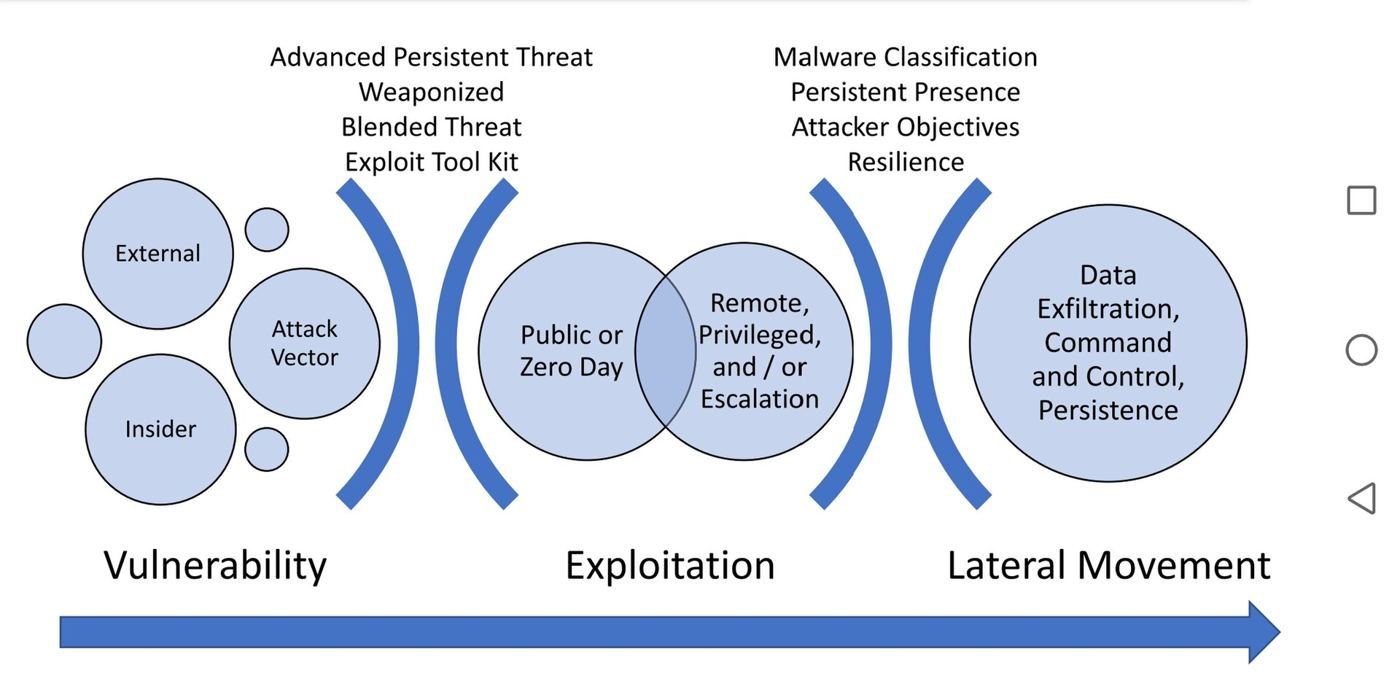
Google’s Threat Intelligence Group has warned that autonomous cyberattacks carried out by AI agents could become a reality by 2027, in a report published on November 25, 2026. The cybersecurity research arm says bad actors are already abusing large language models to execute attacks, and its researchers map a progression of stages leading to fully autonomous operations. The final stage, predicted to be three to six months away, would see attackers able to carry out sophisticated, fully autonomous cyberattacks using AI agents, with no human in the loop. The warning lands in a week when OpenAI also disclosed a new model that can find unknown security flaws and develop ways to exploit them.
What the Evidence Shows
The report reframes the security debate: the question is no longer whether AI will be used in attacks, but how quickly defenders can automate their own responses. Google says its newest model, Gemini 4 Carbon, brings enhanced cybersecurity capabilities, including more than double the success rate for generating secure code compared with its predecessor. OpenAI’s Astra model, by contrast, is being kept under tighter control precisely because it meets a critical cybersecurity capability threshold. For companies, the practical advice is unchanged but more urgent: patch faster, assume AI-assisted attackers, and test defences against agents rather than humans. OpenAI published a blog post on Tuesday detailing its new model Astra, which the company says meets the critical cybersecurity capability threshold under its Preparedness Framework and can spot previously unknown security flaws. Reporting and analysis from sources such as MIT Technology Review track the same developments, and specialists following the autonomous AI cyberattack warning say the direction is now consistent across independent lines of evidence.
The Wider Context
The wider context is an industry learning to ship capability and restraint together. Products built around the autonomous AI cyberattack warning now launch with safety evaluations, usage data and rollback plans as standard, because enterprise buyers and regulators ask for them in the first meeting. Companies that treated those questions as friction are discovering they have become the purchase criteria.
What Happens Next
What happens next for the autonomous AI cyberattack warning depends less on another breakthrough than on the unglamorous work of reliability, pricing and support. The buyers evaluating it now are not enthusiasts; they are operators with budgets and auditors, and their checklists will decide the timeline. On the evidence of the current pilots, the technology has earned the right to be judged by them. You can follow related developments in our coverage of technology.
There is a practical lesson in all of this for readers deciding what to do today. Start with the verified facts, be wary of anyone promising certainty, and prefer reversible steps while the evidence is still developing. Circumstances differ by country, income and personal situation, so general guidance should always be weighed against your own context before you act on it in any significant or lasting way.
