


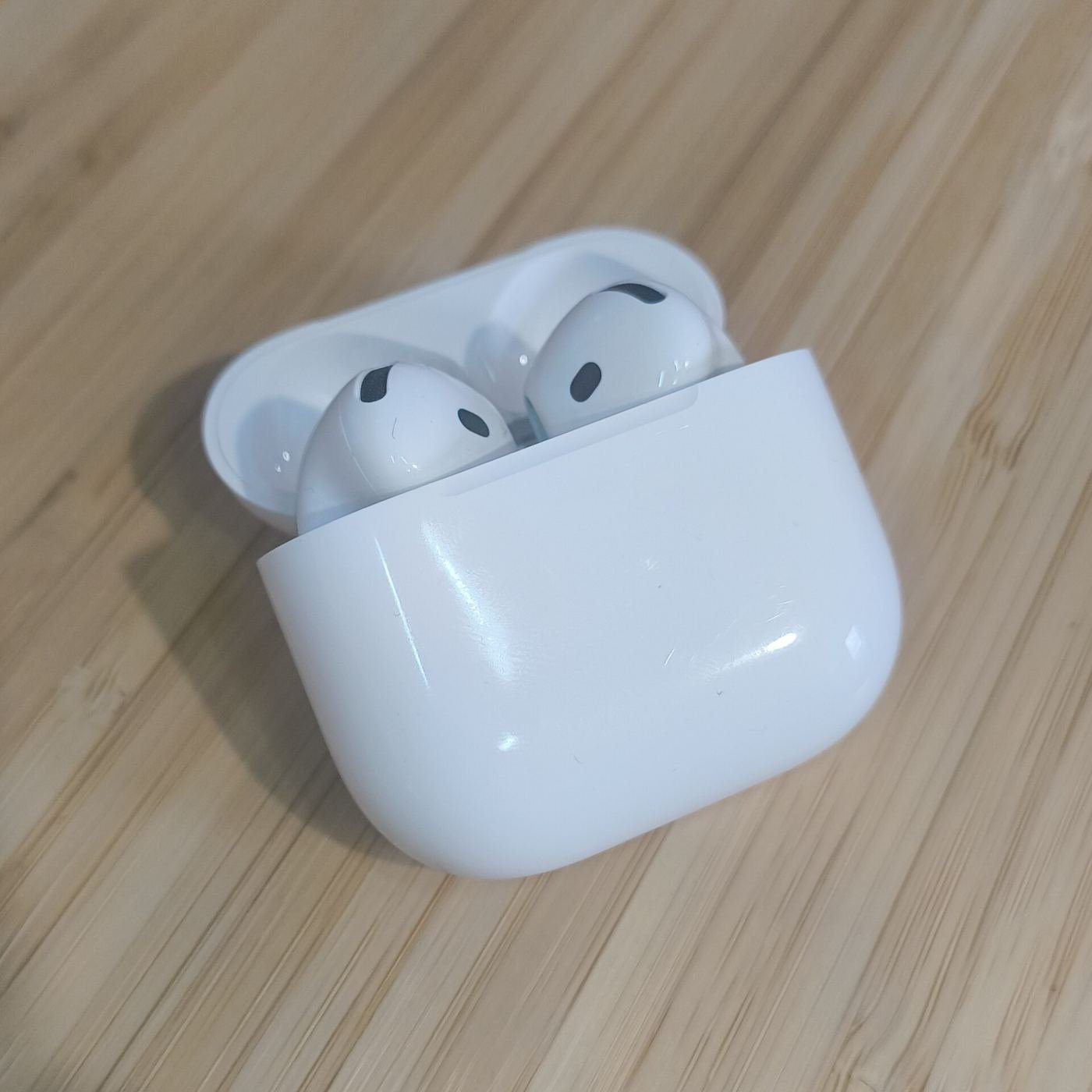
Nothing will introduce the Ear (note) on December 8, 2026, adding an AI-focused product to its audio portfolio, the company has confirmed. The wireless earbuds are expected to combine phone call recording with in-person conversation capture through microphones built into the charging case, turning a familiar accessory into a note-taking device. The launch comes as AI features move from phones into everything people wear and carry, and as rivals race to put recording and transcription into earbuds, glasses and watches. For Nothing, a brand built on distinctive design, the Ear (note) is a test of whether a small company can lead on AI features rather than follow. Samsung is said to be developing a new Galaxy AI feature that makes it easier for users to turn photos and videos into short, shareable clips, showing how AI is reaching every gadget category.
What the Evidence Shows
Recording earbuds raise questions that go beyond sound quality. Capturing in-person conversations means the device must handle consent, storage and privacy in ways a normal pair of earbuds never had to, and different countries set different rules for recording people without their knowledge. Nothing has not yet detailed how the feature will work in practice, including whether it warns the other person or stores audio on the device. The December 8 launch will answer the design questions first; the privacy debate is likely to follow quickly, as it has for every wearable that listens. Early buyers will be weighing convenience against those trade-offs. OpenAI’s ChatGPT mobile redesign separates its main chat interface, Dots AI agents and other tools into three navigation sections, another sign that AI assistants are being rebuilt around daily habits. Reporting and analysis from sources such as IEEE Spectrum track the same developments, and specialists following the Nothing Ear (note) launch say the direction is now consistent across independent lines of evidence.
The Wider Context
Adoption of the Nothing Ear (note) launch follows a familiar pattern with an unfamiliar speed. Early users tolerate rough edges in exchange for advantage, mainstream users arrive when the tool disappears into existing workflows, and the market consolidates around whoever made that transition feel effortless. Vendors are racing less on raw performance now than on integration, support and trust.
What Happens Next
The realistic forecast for the Nothing Ear (note) launch is steady integration rather than sudden replacement: embedded in products people already use, improving in increments, and regulated in proportion to its reach. The companies and institutions that plan on that basis, training staff and redesigning processes instead of chasing launches, are the ones the adoption data tends to vindicate. You can follow related developments in our coverage of technology.
It is also worth remembering how quickly the picture in this area has changed before. Positions that looked settled a few years ago have been revised as new data arrived, and the same humility is appropriate now. The strongest coverage of this subject, and the most useful advice, tends to come from sources that update their views openly when the facts move, rather than defending an earlier position long after it has stopped fitting the evidence available.
