


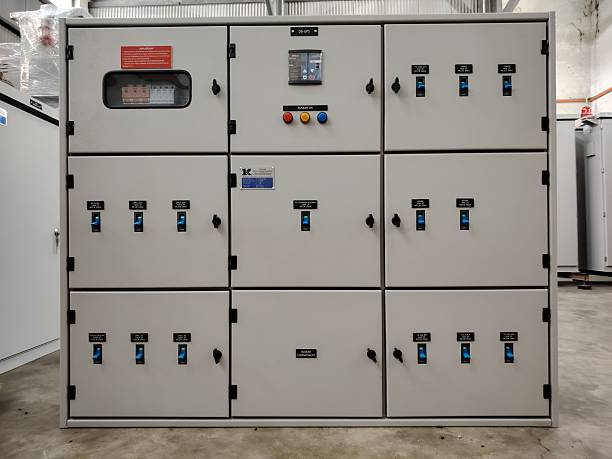
Low voltage main switchboards (LVMS) are a crucial part of electrical distribution systems in industrial plants, commercial buildings, and utilities. They act as the central hub for distributing electricity to various circuits while providing protection, control, and monitoring of electrical loads. Traditionally, LVMS has been primarily focused on safety, protection, and reliability. However, with the growing emphasis on energy efficiency, modern smart low voltage main switchboards are now helping organizations reduce energy consumption, optimize operations, and cut operational costs.
This article explores energy-saving opportunities offered by smart LVMS, their key features, and how organizations can leverage these systems to create more efficient, sustainable, and cost-effective power distribution networks.
Understanding Smart Low Voltage Main Switchboards
Smart LVMS integrates traditional switchboard functionalities with advanced monitoring, automation, and control technologies. Unlike conventional LVMS, which mainly provides circuit protection and power distribution, smart LVMS includes:
- Digital meters and sensors to monitor voltage, current, power factor, and energy consumption in real time.
- Remote monitoring and control capabilities via SCADA or cloud-based systems.
- Automation and load management tools to optimize energy usage.
- Data logging and analytics to identify inefficiencies and predict energy demand.
By combining these capabilities, smart LVMS not only ensures safe and reliable power distribution but also enables organizations to actively manage energy use and identify opportunities for savings.
Energy-Saving Opportunities with Smart LVMS
1. Real-Time Energy Monitoring
One of the primary energy-saving benefits of smart LVMS is real-time monitoring of electrical parameters. Traditional switchboards only provide basic measurements, which often require manual readings and offer limited insight into energy consumption.
With smart LVMS:
- Operators can track voltage, current, and power factor for each circuit continuously.
- Energy consumption patterns for individual loads can be analyzed to identify inefficient equipment or overconsumption.
- Alerts can be triggered for abnormal conditions, preventing energy waste due to faults or misoperation.
Benefit: Real-time monitoring allows for immediate corrective actions, ensuring that electricity is used efficiently and avoiding unnecessary energy losses.
2. Load Management and Peak Demand Control
Peak demand charges can account for a significant portion of energy costs in commercial and industrial facilities. Smart LVMS allows organizations to implement load management strategies:
- Automatic load shedding: Non-critical loads can be temporarily turned off during peak periods to reduce energy demand.
- Load balancing: Distributing loads evenly across phases minimizes imbalance losses and optimizes transformer efficiency.
- Scheduling of energy-intensive equipment: HVAC systems, pumps, and other machinery can be scheduled to operate during off-peak periods.
Benefit: Effective load management reduces peak demand charges, lowers energy costs, and improves overall system efficiency.
3. Power Factor Correction
Low power factor can lead to higher energy costs, reduced system efficiency, and unnecessary stress on electrical equipment. Smart LVMS enables continuous power factor monitoring and integration with automatic correction devices, such as capacitor banks.
- The system detects low power factor conditions in real time.
- It triggers the activation of power factor correction devices only when needed.
- Continuous monitoring ensures optimal performance without overcompensation.
Benefit: Improved power factor reduces energy losses, minimizes penalties from utility providers, and extends the life of electrical components.
4. Predictive Maintenance to Prevent Energy Loss
Energy losses often occur due to deteriorating electrical equipment, loose connections, or overloaded circuits. Smart LVMS supports predictive maintenance, helping identify potential issues before they escalate:
- Sensors detect abnormal heating, voltage drops, or overcurrent conditions.
- Data analytics predict failures in breakers, busbars, or transformers.
- Maintenance can be scheduled proactively, preventing energy waste due to malfunctioning equipment.
Benefit: Predictive maintenance not only reduces downtime but also maintains system efficiency, ensuring energy is not wasted on faulty circuits.
5. Integration with Building Energy Management Systems (BEMS)
Smart LVMS can be seamlessly integrated into Building Energy Management Systems (BEMS) or industrial energy management platforms. This integration allows:
- Centralized monitoring of all electrical loads across the facility.
- Data-driven decisions for energy optimization and cost reduction.
- Coordination with HVAC, lighting, and other subsystems to reduce overall energy consumption.
Benefit: Integrated systems create a holistic approach to energy efficiency, helping organizations achieve measurable reductions in electricity usage.
6. Energy Usage Reporting and Analytics
Smart LVMS collects and stores energy usage data, enabling detailed reporting and analytics:
- Identify circuits with the highest energy consumption.
- Analyze trends over time to optimize operations.
- Benchmark energy performance against similar facilities or industry standards.
Benefit: Accurate analytics empower decision-makers to implement targeted energy-saving initiatives and continuously improve energy performance.
7. Reduced Standby and Idle Losses
Equipment that is left on standby or idling consumes energy unnecessarily. Smart LVMS can automate the control of idle loads:
- Automatically disconnect circuits that are not in use.
- Ensure critical loads remain powered while non-essential equipment is turned off.
- Optimize energy consumption during low occupancy or off-hours.
Benefit: Minimizing standby energy losses contributes to significant cost savings over time.
Advantages of Smart LVMS Beyond Energy Savings
While energy efficiency is a key driver, smart LVMS offers other operational benefits:
- Enhanced Safety: Continuous monitoring reduces the risk of faults and allows for timely intervention.
- Reduced Downtime: Predictive maintenance and remote diagnostics prevent unexpected shutdowns.
- Operational Efficiency: Automation and analytics simplify operations and reduce manual intervention.
- Scalability: Smart LVMS can be expanded or upgraded as facility needs change.
By combining energy savings with operational improvements, smart LVMS delivers both financial and functional value.
Implementation Considerations
Before implementing a smart low voltage main switchboard, organizations should consider the following:
- Load Requirements: Determine peak and average load demands to select the appropriate LVMS rating.
- Integration Needs: Ensure compatibility with existing building or industrial energy management systems.
- Budget vs. ROI: Consider the upfront investment versus potential energy savings and operational benefits.
- Maintenance and Training: Train staff to utilize smart features effectively and schedule routine maintenance.
- Scalability: Choose a system that can adapt to future expansion, additional circuits, or renewable energy integration.
A well-planned implementation ensures that the smart LVMS delivers maximum energy efficiency and operational benefits.
Conclusion
Smart low voltage main switchboards represent a significant step forward in energy-efficient power distribution. By combining real-time monitoring, automated load management, power factor correction, predictive maintenance, and integration with energy management systems, smart LVMS helps organizations reduce energy consumption, lower operational costs, and enhance system reliability.
Organizations that invest in smart LVMS can:
- Achieve measurable reductions in energy usage.
- Optimize operations across industrial, commercial, and utility facilities.
- Reduce carbon footprint and support sustainability initiatives.
- Enhance safety, reliability, and overall electrical system performance.
In an era where energy efficiency, sustainability, and operational excellence are paramount, smart low voltage main switchboards are not just an upgrade—they are a necessity for modern electrical networks.
