


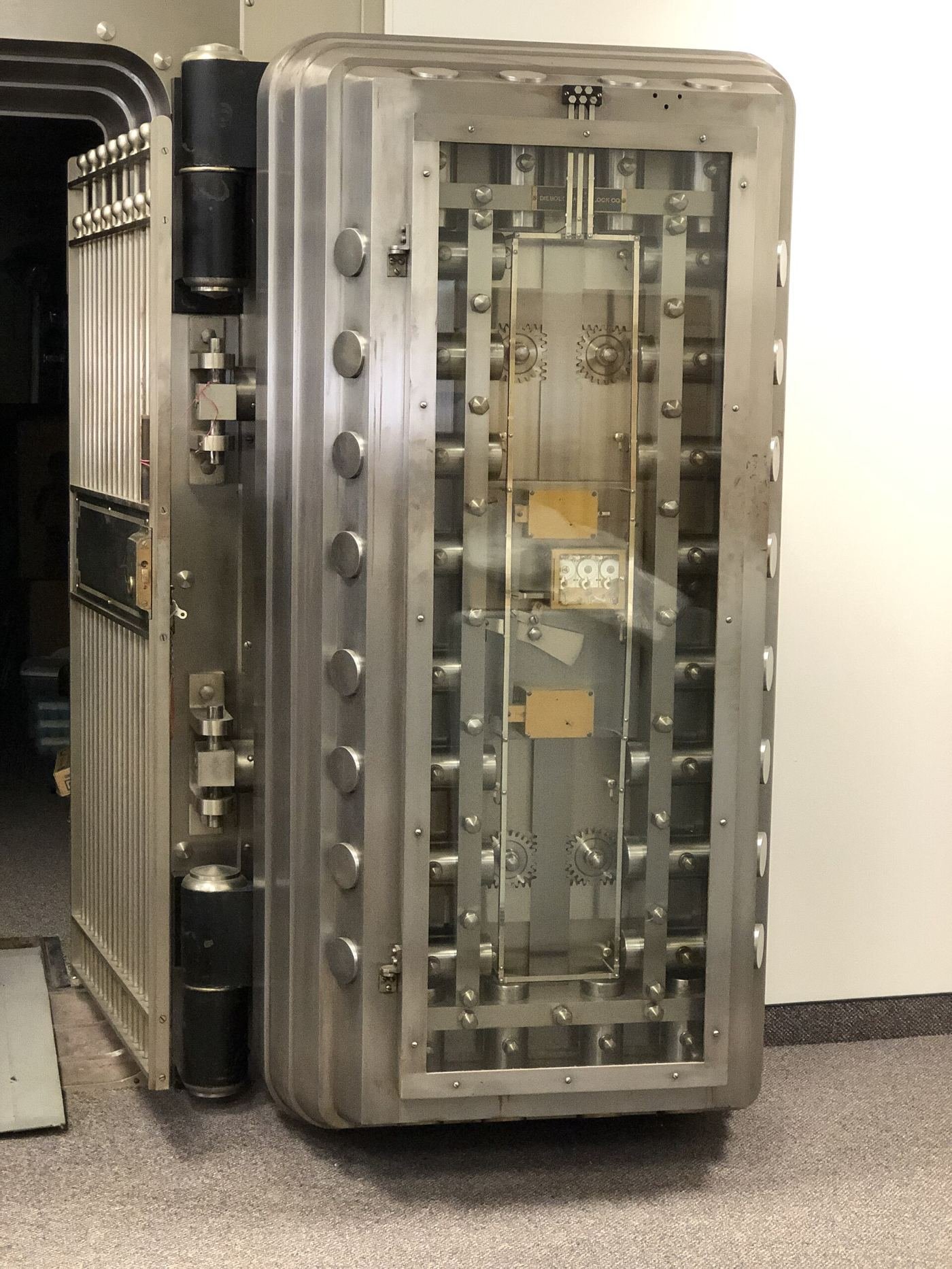
Families now store more important information online than ever, from passwords and bank details to wills, property deeds and medical records, and digital vaults offer a safer way to keep it all together. A digital vault is an encrypted online store where documents and credentials are protected by strong encryption and a single master password, often with an extra layer of verification. Unlike a drawer of paper files or a spreadsheet of passwords on a laptop, a vault can be opened from any device, shared securely with a trusted person, and recovered if a phone is lost. Providers say the biggest risk solved is not hacking but everyday chaos, the forgotten password, the lost folder, the document that cannot be found when it matters. Setting one up takes an afternoon, starting with the most important items. Security experts stress choosing a reputable provider, using a long unique master password, and turning on two-factor authentication, because the vault is only as strong as its key.
What the Evidence Shows
Using a vault well means thinking about who else might need access and when. Many services allow emergency access, letting a partner or executor open the vault after a waiting period, which can spare families painful delays after a death or serious illness. Regular reviews keep the contents current, removing old accounts and updating documents after a house move or a new baby. Families should also keep a printed recovery sheet in a safe place, since losing the master password can mean losing everything inside. Critics warn against storing every secret in one place, so the most cautious users keep a second copy of the very highest value records offline. Even so, for most households a vault is a clear improvement on scattered paper and reused passwords. As more of family life moves online, a well-organised digital vault is becoming the modern equivalent of the fireproof box, quietly holding the things that matter most. Reporting and analysis from sources such as MIT Technology Review track the same developments, and specialists following digital vaults for families say the direction is now consistent across independent lines of evidence.
The Wider Context
The wider context is an industry learning to ship capability and restraint together. Products built around digital vaults for families now launch with safety evaluations, usage data and rollback plans as standard, because enterprise buyers and regulators ask for them in the first meeting. Companies that treated those questions as friction are discovering they have become the purchase criteria.
What Happens Next
What happens next for digital vaults for families depends less on another breakthrough than on the unglamorous work of reliability, pricing and support. The buyers evaluating it now are not enthusiasts; they are operators with budgets and auditors, and their checklists will decide the timeline. On the evidence of the current pilots, the technology has earned the right to be judged by them. You can follow related developments in our coverage of technology.
There is a practical lesson in all of this for readers deciding what to do today. Start with the verified facts, be wary of anyone promising certainty, and prefer reversible steps while the evidence is still developing. Circumstances differ by country, income and personal situation, so general guidance should always be weighed against your own context before you act on it in any significant or lasting way.
