


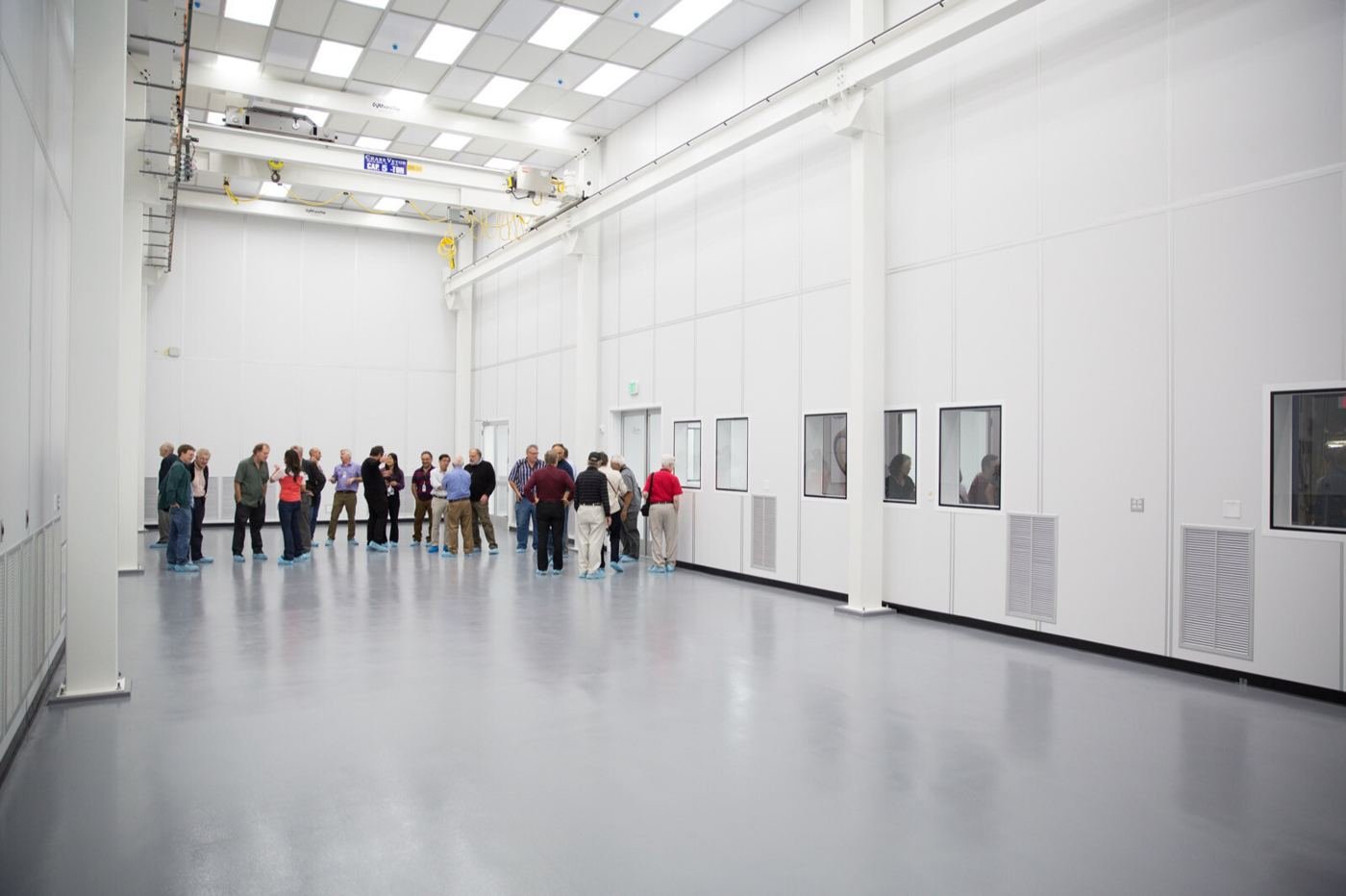
Chip factories are training workers for precision roles inside clean rooms, as demand for semiconductors for phones, cars, data centres and medical equipment pushes manufacturers to expand production and compete for skilled technicians. Inside a clean room, a speck of dust can ruin a wafer worth thousands, so staff learn to move slowly, dress in full protective suits and follow procedures that can feel closer to surgery than to ordinary factory work on a production line. Training programmes now recruit from electronics, chemistry, maintenance and even healthcare backgrounds, teaching vacuum systems, chemical safety, robotics and the patient fault finding needed when a machine stops at two in the morning. Governments support the push because chips have become strategic goods, and a country that can make advanced components protects its industries against distant shortages and shipping delays. The work offers a new route into high technology for people who never planned to become software engineers.
What the Evidence Shows
Manufacturers say retention matters as much as recruitment, because a trained clean room technician takes months to replace and carries knowledge about particular tools that no manual fully captures for the next shift. Shift patterns, pay progression and clear routes into engineering roles therefore feature in expansion plans alongside the headline cost of the buildings and equipment themselves in investor presentations. Automation helps with repetitive handling, but human judgement still decides whether a process drift is harmless variation or the first sign of a defect that could scrap an entire batch later. Suppliers of gases, chemicals and precision parts must grow alongside the factories, creating a wider cluster of technical jobs in transport, quality testing and equipment servicing around each major site. As more plants open, the quiet competition for careful, well trained people may shape the semiconductor industry as much as any breakthrough in chip design itself. Reporting and analysis from sources such as MIT Technology Review track the same developments, and specialists following chip factories train clean room workers say the direction is now consistent across independent lines of evidence.
The Wider Context
The wider context is an industry learning to ship capability and restraint together. Products built around chip factories train clean room workers now launch with safety evaluations, usage data and rollback plans as standard, because enterprise buyers and regulators ask for them in the first meeting. Companies that treated those questions as friction are discovering they have become the purchase criteria.
What Happens Next
What happens next for chip factories train clean room workers depends less on another breakthrough than on the unglamorous work of reliability, pricing and support. The buyers evaluating it now are not enthusiasts; they are operators with budgets and auditors, and their checklists will decide the timeline. On the evidence of the current pilots, the technology has earned the right to be judged by them. You can follow related developments in our coverage of technology.
There is a practical lesson in all of this for readers deciding what to do today. Start with the verified facts, be wary of anyone promising certainty, and prefer reversible steps while the evidence is still developing. Circumstances differ by country, income and personal situation, so general guidance should always be weighed against your own context before you act on it in any significant or lasting way.
