


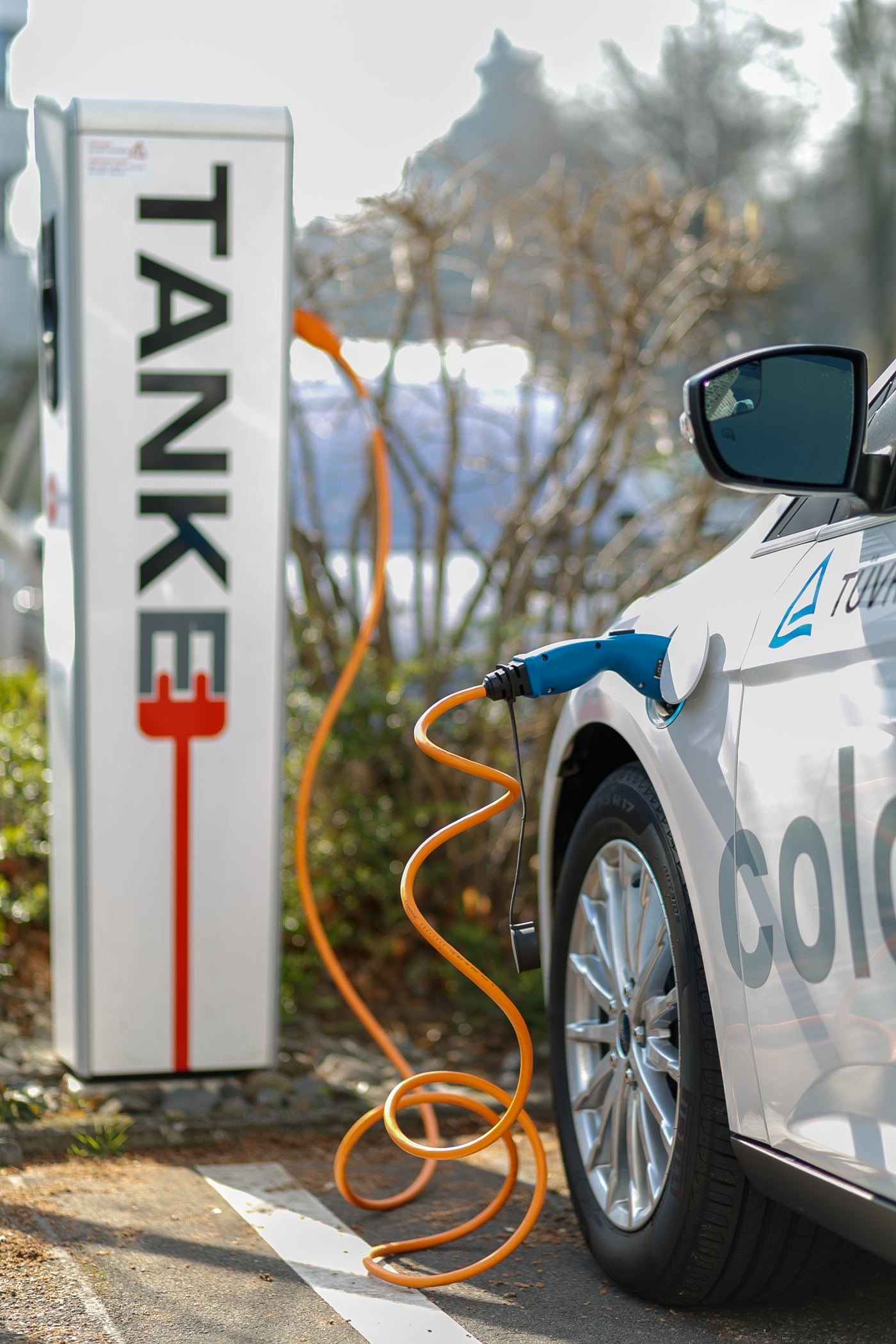
Electric cars have won over many drivers, but range anxiety still holds others back, and the battery is the reason. Today’s lithium-ion batteries are good, yet they charge slowly, lose capacity over time and can catch fire in rare cases. Solid-state batteries promise to fix those weaknesses by replacing the liquid inside the cell with a solid material. The solid design lets the battery store more energy in the same space, which could push driving range well beyond current models, and it charges faster because the chemistry tolerates higher power. The batteries are also safer, since there is no flammable liquid to leak. Carmakers and battery firms are investing heavily, with pilot production lines already running and test cars on the road.
What the Evidence Shows
The road to mass production still has obstacles to clear. Making solid-state cells at scale is expensive, and the materials must survive thousands of charge cycles without cracking or losing contact inside the cell. Manufacturing needs new factories and processes, which take years to build and refine. Most experts expect the first solid-state cars to be premium models, with cheaper versions following as production grows. The technology also matters beyond cars, since phones, laptops and grid storage could all benefit from denser, safer batteries. Timelines vary, with some makers promising cars within a few years and others urging patience. If the engineering challenges are solved, solid-state batteries could remove the biggest remaining doubt about electric driving. Reporting and analysis from sources such as Wired track the same developments, and specialists following solid-state batteries say the direction is now consistent across independent lines of evidence.
The Wider Context
The wider context is an industry learning to ship capability and restraint together. Products built around solid-state batteries now launch with safety evaluations, usage data and rollback plans as standard, because enterprise buyers and regulators ask for them in the first meeting. Companies that treated those questions as friction are discovering they have become the purchase criteria.
What Happens Next
What happens next for solid-state batteries depends less on another breakthrough than on the unglamorous work of reliability, pricing and support. The buyers evaluating it now are not enthusiasts; they are operators with budgets and auditors, and their checklists will decide the timeline. On the evidence of the current pilots, the technology has earned the right to be judged by them. You can follow related developments in our coverage of technology.
None of this will be settled by a single announcement, study or product launch. The pattern to watch is accumulation: independent confirmations, honest reporting of failures and steady improvement in the underlying numbers. Readers who follow those signals, rather than the loudest claim of the week, will understand this subject better than most of the commentary surrounding it suggests is possible.
