


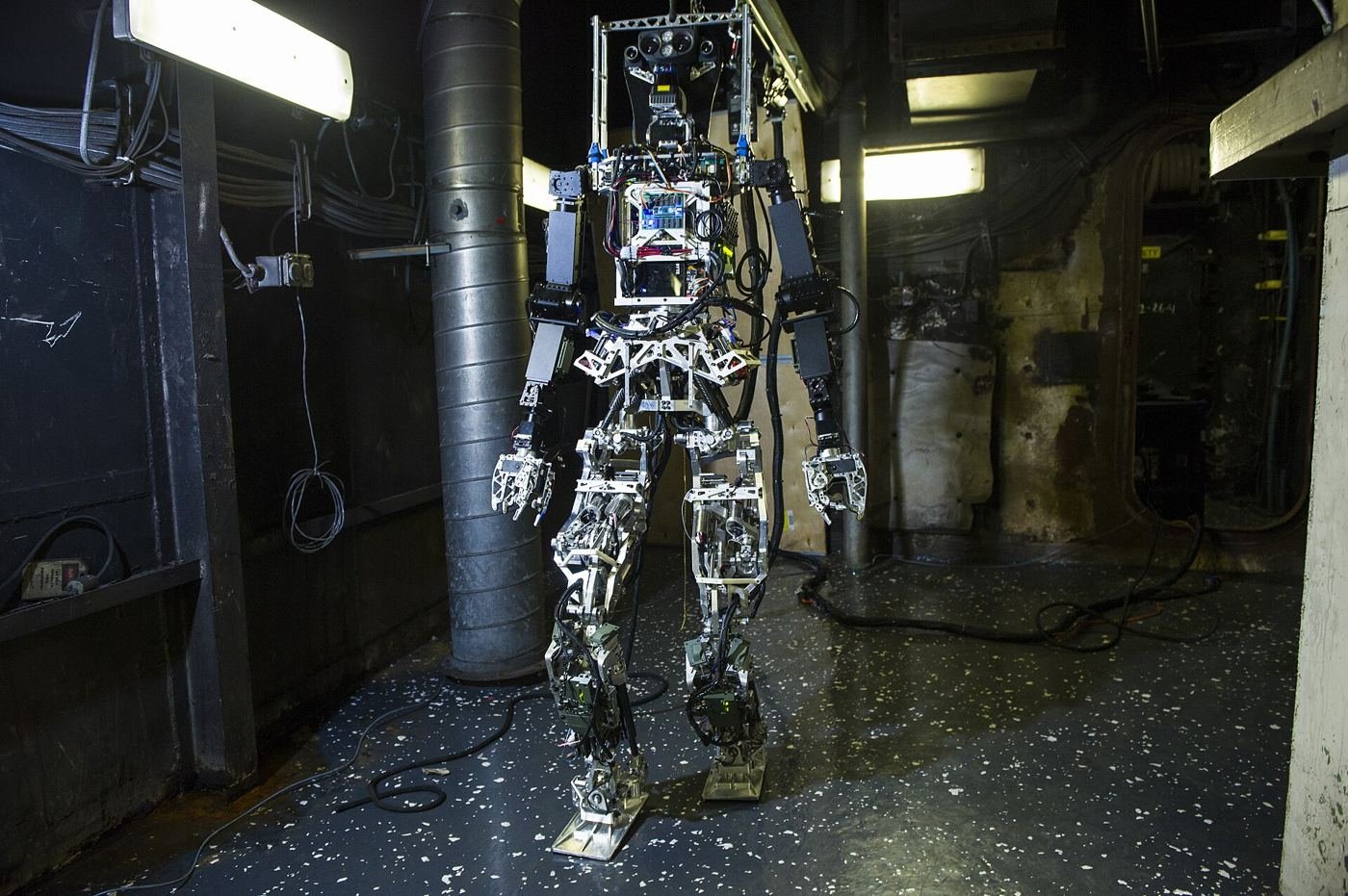
Humanoid robots are practising delicate tasks in research laboratories, learning to handle fragile objects with a gentleness that was once beyond machines. Engineers set them challenges that test touch as much as strength, such as picking up a ripe fruit without bruising it, pouring water without spilling, or turning the pages of a book. Sensors in the fingertips measure pressure many times a second, letting the robot adjust its grip the moment something starts to slip. The work matters because the places that need robots most, hospitals, care homes and laboratories, are full of objects that break easily and people who must be treated with care. Training takes patience, with robots repeating a task thousands of times and learning from each mistake. Researchers say progress is steady rather than sudden, with each small success opening the door to a harder one. The goal is a machine that can work safely beside people, helping with jobs that are repetitive or physically demanding.
What the Evidence Shows
The laboratory work is as much about software as it is about motors and metal. Vision systems let the robot recognise an object and judge its shape before reaching for it, while planning software works out the safest path for an arm moving through a crowded space. Safety rules are built in at every level, so the robot slows or stops when a person comes close, and its movements are capped at forces that cannot cause injury. Teams test the machines in realistic settings, from mock hospital wards to cluttered workbenches, to see how they cope outside the tidy lab. Cost remains a barrier, since the sensors and actuators are expensive, but prices fall as production grows. Some worry about jobs, while others point to the shortages in care and laboratory work that robots could help fill. For now, the humanoid robot remains a research project, but each delicate task it masters brings the future a little closer. Reporting and analysis from sources such as IEEE Spectrum track the same developments, and specialists following humanoid robots in laboratories say the direction is now consistent across independent lines of evidence.
The Wider Context
Adoption of humanoid robots in laboratories follows a familiar pattern with an unfamiliar speed. Early users tolerate rough edges in exchange for advantage, mainstream users arrive when the tool disappears into existing workflows, and the market consolidates around whoever made that transition feel effortless. Vendors are racing less on raw performance now than on integration, support and trust.
What Happens Next
The realistic forecast for humanoid robots in laboratories is steady integration rather than sudden replacement: embedded in products people already use, improving in increments, and regulated in proportion to its reach. The companies and institutions that plan on that basis, training staff and redesigning processes instead of chasing launches, are the ones the adoption data tends to vindicate. You can follow related developments in our coverage of technology.
It is also worth remembering how quickly the picture in this area has changed before. Positions that looked settled a few years ago have been revised as new data arrived, and the same humility is appropriate now. The strongest coverage of this subject, and the most useful advice, tends to come from sources that update their views openly when the facts move, rather than defending an earlier position long after it has stopped fitting the evidence available.
