


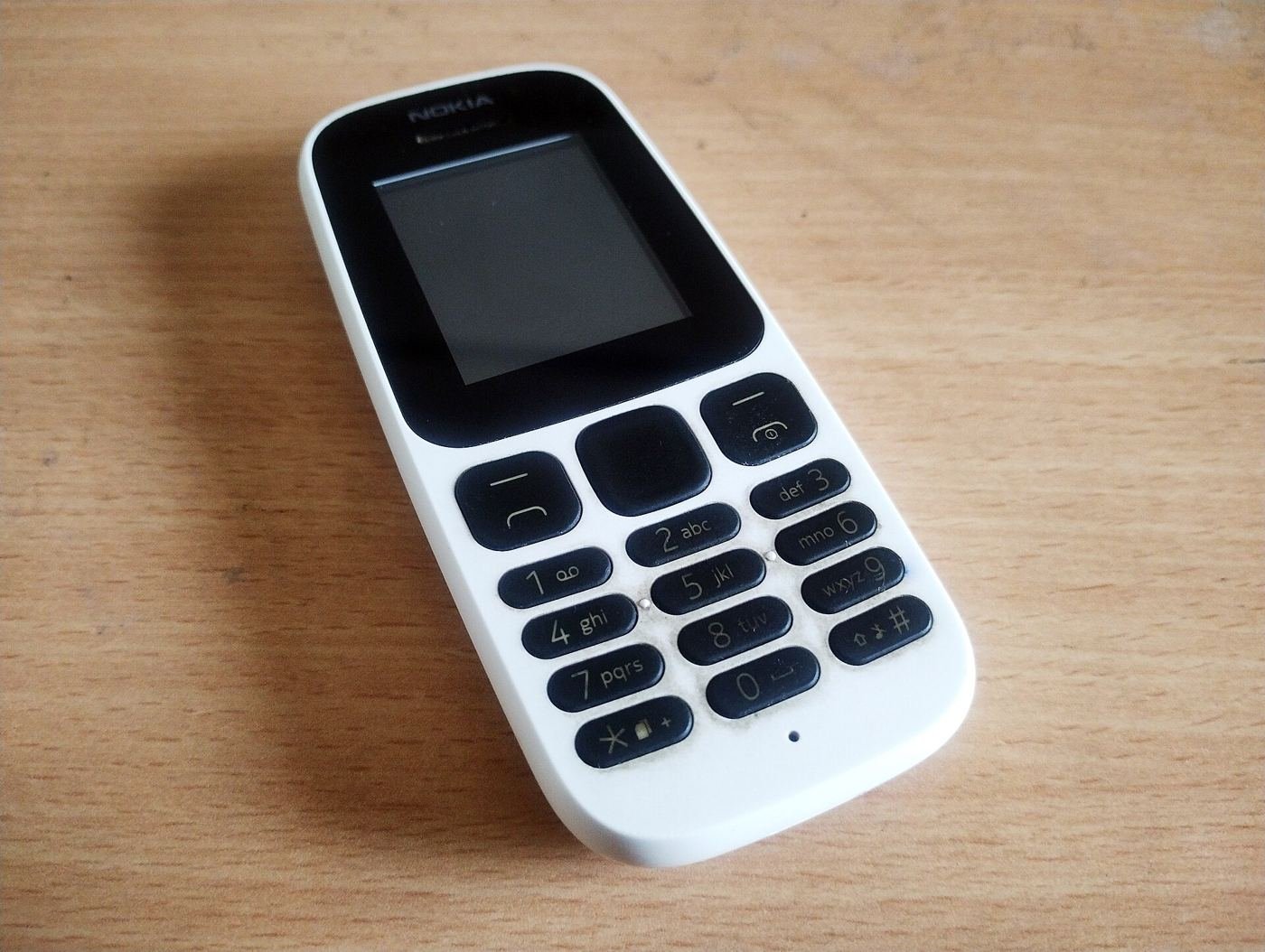
A growing number of people are trading their smartphones for phones that do almost nothing. The devices, often called dumbphones, can call, text and little else, and they are finding buyers among people tired of endless notifications and hours lost to scrolling. The Light Phone, a minimalist handset now in its third version, sells for about 600 dollars and deliberately leaves out social media, email and web browsing. HMD, the maker of Nokia-branded phones, has reported strong demand for its simple feature phones, including from younger buyers who never grew up with them. Analysts say feature phones still sell hundreds of millions of units a year worldwide, mostly in developing markets, but the new buyers in Britain and the United States are choosing them as a lifestyle statement rather than a budget option.
What the Evidence Shows
Switching works best as a gradual step, not an overnight purge. A phone that cannot run banking apps or maps is a problem for most people, so many switchers keep a smartphone at home and carry the dumbphone when they go out, or use the simple phone at weekends and evenings. Buyers should check that the handset supports 4G, since older 2G and 3G networks are being switched off in many countries, and should test whether group chats and photo messages still work with their friends. The biggest surprise for new users is often how much time returns: without a feed to scroll, a walk, a meal or a wait for a bus becomes time to think or talk. For anyone who tries it and misses the smartphone too much, the experiment costs little, since a basic feature phone can be bought for under fifty pounds. Reporting and analysis from sources such as IEEE Spectrum track the same developments, and specialists following dumbphones say the direction is now consistent across independent lines of evidence.
The Wider Context
Adoption of dumbphones follows a familiar pattern with an unfamiliar speed. Early users tolerate rough edges in exchange for advantage, mainstream users arrive when the tool disappears into existing workflows, and the market consolidates around whoever made that transition feel effortless. Vendors are racing less on raw performance now than on integration, support and trust.
What Happens Next
The realistic forecast for dumbphones is steady integration rather than sudden replacement: embedded in products people already use, improving in increments, and regulated in proportion to its reach. The companies and institutions that plan on that basis, training staff and redesigning processes instead of chasing launches, are the ones the adoption data tends to vindicate. You can follow related developments in our coverage of technology.
It is also worth remembering how quickly the picture in this area has changed before. Positions that looked settled a few years ago have been revised as new data arrived, and the same humility is appropriate now. The strongest coverage of this subject, and the most useful advice, tends to come from sources that update their views openly when the facts move, rather than defending an earlier position long after it has stopped fitting the evidence available.
