


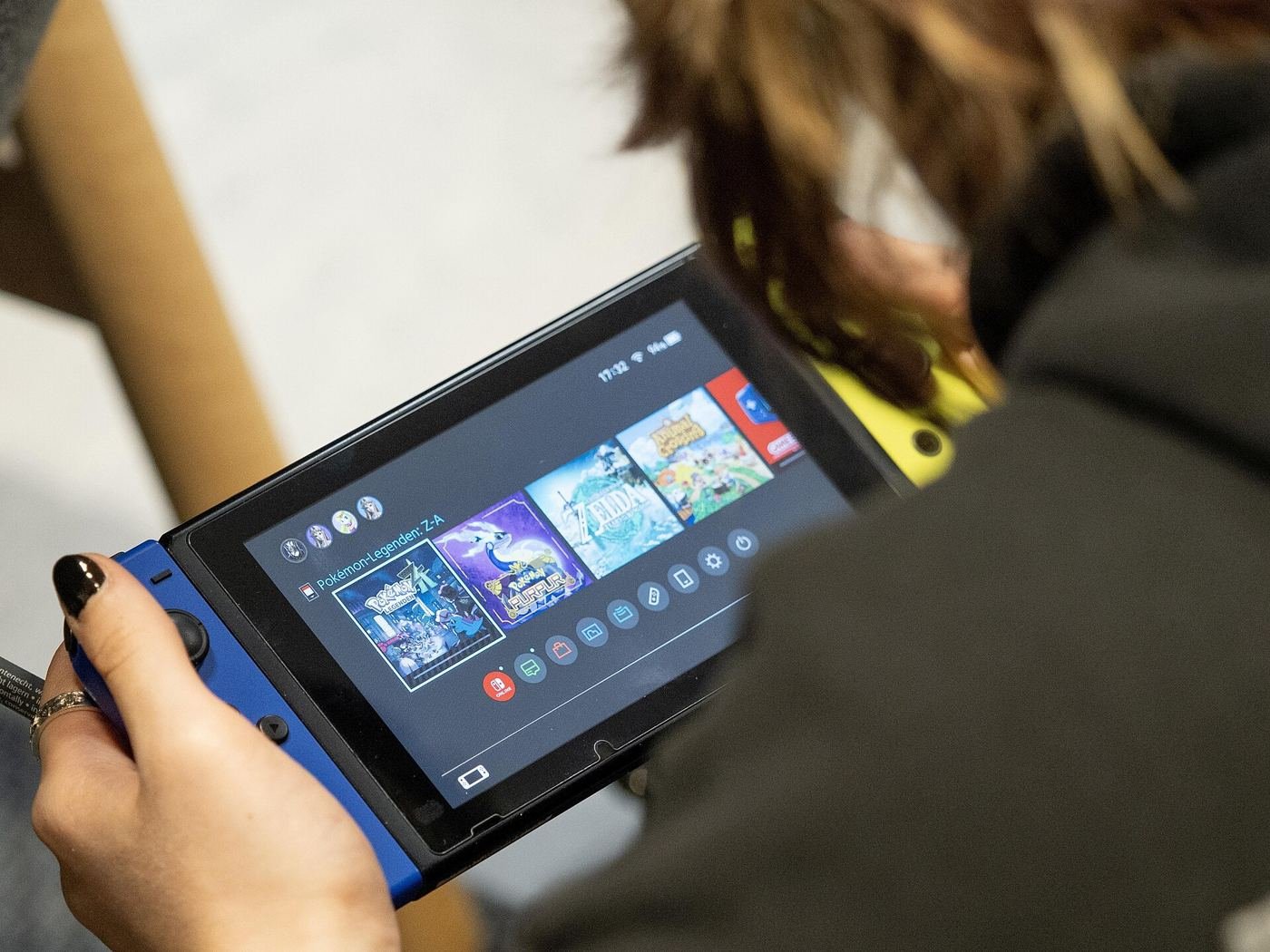
The Steam Deck, launched by Valve in February 2022, proved that a full PC games library could fit in the hands, and a small but stubborn market has grown around it. Market researcher IDC estimates about 4 million Steam Decks had shipped by February 2025, more than the Asus ROG Ally, Lenovo Legion Go and MSI Claw combined, and the Deck held 48 percent of the tracked handheld gaming PC market in 2024. Across the four tracked devices, about 6 million handheld PCs shipped between 2022 and 2024, and Omdia forecasts 2.3 million sold in 2025, rising to 4.7 million a year by 2029. The rivals have kept coming: the ROG Xbox Ally, launched on 16 October 2025 at 599 dollars, with a 999-dollar Ally X, brings Microsoft’s Xbox interface to a Windows handheld. The category is still small next to consoles, but it has outlasted the sceptics.
What the Evidence Shows
The choice comes down to software. The Steam Deck runs SteamOS, Valve’s Linux system, and plays most of the Steam catalogue, with a simple interface and a sleep function that pauses a game instantly, but some online games with anti-cheat software will not run. Windows handhelds such as the ROG Ally and Legion Go run the whole PC catalogue, including Xbox Game Pass, yet their battery life is shorter and the Windows interface is clumsier on a seven-inch screen. Prices have risen sharply: Valve raised Steam Deck OLED prices in May 2026, with the 512-gigabyte model going from about 549 dollars to 789 dollars, blaming rising memory and storage costs, and weekly sales fell by an estimated 80 percent afterwards. Buyers should check that their favourite games are verified for the Deck, try the device in hand for its weight, and remember that a handheld PC is a second machine, not a replacement for a desktop. Reporting and analysis from sources such as MIT Technology Review track the same developments, and specialists following handheld gaming PCs say the direction is now consistent across independent lines of evidence.
The Wider Context
The wider context is an industry learning to ship capability and restraint together. Products built around handheld gaming PCs now launch with safety evaluations, usage data and rollback plans as standard, because enterprise buyers and regulators ask for them in the first meeting. Companies that treated those questions as friction are discovering they have become the purchase criteria.
What Happens Next
What happens next for handheld gaming PCs depends less on another breakthrough than on the unglamorous work of reliability, pricing and support. The buyers evaluating it now are not enthusiasts; they are operators with budgets and auditors, and their checklists will decide the timeline. On the evidence of the current pilots, the technology has earned the right to be judged by them. You can follow related developments in our coverage of technology.
There is a practical lesson in all of this for readers deciding what to do today. Start with the verified facts, be wary of anyone promising certainty, and prefer reversible steps while the evidence is still developing. Circumstances differ by country, income and personal situation, so general guidance should always be weighed against your own context before you act on it in any significant or lasting way.
