


Key Takeaways
- Agile hiring teams enhance adaptability in recruitment processes.
- Short, focused sprints streamline hiring and promote ongoing feedback.
- Cross-functional collaboration improves the speed and quality of hiring decisions.
- Market feedback is essential for refining recruitment strategies.
- Flexible job design brings in a broader, more diverse set of applicants.
In today’s rapidly evolving job market, organizations are under constant pressure to innovate and adapt to maintain a competitive edge. The need for agility extends beyond core business activities and is increasingly critical in recruitment processes. Building agile hiring teams equips businesses to quickly pivot, respond to changing talent demands, and secure top candidates ahead of competitors. Learn more about modern strategies and tools, such as the best talent acquisition software in 2026, to stay ahead in talent acquisition.
Traditional recruitment models can be slow to adapt, often missing out on the most sought-after talent. Agile hiring teams prioritize responsiveness and flexibility, allowing businesses to align their talent acquisition strategies with rapidly changing business objectives and market conditions. This approach not only speeds up hiring but also creates a more candidate-centric recruitment experience.
Understanding Agile Hiring Teams
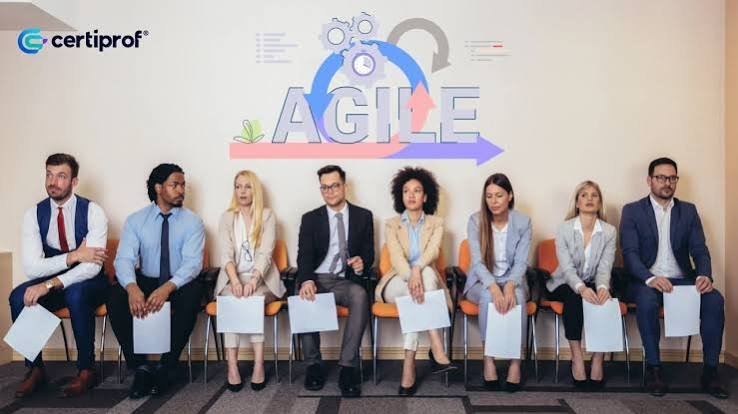
Agile hiring teams are intentionally designed to move quickly and respond proactively to shifting business needs. Unlike traditional models that rely on lengthy requisition approvals and siloed communication, agile teams operate in short cycles, continuously reviewing and adapting their strategies. This iterative process allows for frequent assessment of hiring timelines, candidate sources, and interview feedback, ensuring constant alignment with organizational objectives. Large publications have highlighted the increasing adoption of agile models in HR and recruitment as a cornerstone for future-proofing businesses.
Implementing Short, Focused Hiring Sprints
Adopting a sprint-based approach, inspired by agile methodologies in software development, brings heightened discipline and momentum to hiring cycles. Teams focus on well-defined roles or objectives over a two to four-week sprint, concentrating collective energy and attention on immediate hiring needs. This structure encourages regular recalibration based on feedback from candidates and stakeholders. For example, if an initial round of interviews reveals a misalignment between job requirements and candidate skills, teams can quickly adjust the job description and outreach strategy for the next sprint.
Fostering Cross-Functional Collaboration
Agile recruiting thrives on cross-functional involvement. Instead of isolating recruiters from decision-makers, agile teams integrate recruiters, hiring managers, technical leads, and, sometimes, even incumbent employees from the hiring department. This collaborative system ensures hiring efforts are fully aligned with departmental needs and evolving business goals. These pods enable faster decision-making, reduce bottlenecks, and ensure a broader perspective during candidate evaluation, enabling consensus and more efficient action on offers.
Leveraging Continuous Market Feedback
Treating the talent market as a real-time, actionable data source is a hallmark of agile hiring teams. Regular feedback from interviews, candidate surveys, and competitor benchmarking provides crucial insights. By staying attuned to candidate expectations, compensation trends, and emerging skill requirements, organizations can make informed adjustments. For instance, persistently declining offers due to compensation allow teams to revisit salary structures and remain competitive. Referencing market insights from major sources, such as the Bureau of Labor Statistics, enhances strategic planning through data-driven decision-making.
Embracing Flexible Job Design
The rigidity of traditional job descriptions can limit access to talent. Agile hiring teams actively consider more flexible approaches, such as contract positions, remote or hybrid roles, and skill-based hiring over credential-based selection. This flexibility attracts a broader spectrum of candidates, including those from less traditional or non-linear career paths. By accommodating a wider range of preferences and life circumstances, organizations enhance their appeal to diverse talent pools and can more effectively address skill gaps as they arise.
Investing in Training and Development
Continuous learning is essential for agile hiring teams to stay at the forefront of recruitment innovation. Investment in training on new sourcing techniques, recruitment technology, interviewing strategies, and diversity and inclusion initiatives helps teams anticipate trends and proactively address emerging challenges. Encouraging professional development creates a culture where experimentation and continuous improvement are part of daily practice, future-proofing the team’s collective knowledge base.
Utilizing Technology and Automation
Modern recruitment increasingly relies on automation and smart tools to handle repetitive, time-consuming tasks. Applicant tracking systems, AI-based candidate matching, scheduling automation, and analytics dashboards free up recruiters to focus on high-impact activities like candidate engagement and strategic planning. The effective use of technology amplifies team productivity and provides tangible data for ongoing optimization.
Conclusion
Building agile hiring teams is no longer optional for organizations aiming to keep pace with a fast-changing job market. By embedding agility into recruitment through focused sprints, cross-functional collaboration, ongoing market feedback, flexible job design, investment in learning, and technology adoption, companies create systems capable of attracting top talent and weathering future disruption. These strategies ensure that recruitment remains a dynamic, business-aligned process, ready to meet tomorrow’s challenges head on.
