


Committing significant numbers forward to execute intricate short passing outside the opponent’s penalty area is one of the most structurally demanding tactical approaches in elite football. During the 2019/20 Ligue 1 season, possession-heavy teams frequently encountered deep, compact defensive blocks that forced them into congested central zones twenty yards from goal. While sustained perimeter circulation aims to unbalance low blocks and create high-probability central shooting lanes, an unexpected turnover in these compressed zones leaves the attacking side severely vulnerable. Understanding the mechanics of central turnovers, rest-defense structures, and transitional speed allows analytical bettors to anticipate defensive collapses and identify asymmetric value across counter-attacking underdogs, both-teams-to-score markets, and live goal lines.
The Structural Mechanics of Edge-of-Box Buildup and Central Congestion
When a possession-oriented team sets up camp outside an opponent’s penalty area, their attacking shape naturally compresses the pitch. Full-backs push high into wide channels, attacking midfielders drift into the half-spaces, and central defenders step up beyond the halfway line to maintain territory and restrict clearance space. This aggressive spatial compression creates high territorial dominance but eliminates the safety buffer behind the attacking team’s back line.
Executing intricate short passes inside this congested central zone carries an elevated risk of interception. Low-block defenders operate in tight, layered lines where passing corridors are measured in inches. If a midfielder misplaces a short wall-pass or holds the ball a fraction of a second too long under pressure, the resulting turnover instantly triggers a transition where the defensive team has acres of vacant green space to exploit against back-pedaling central defenders.
Evaluating Rest-Defense Integrity Across Possession Profiles
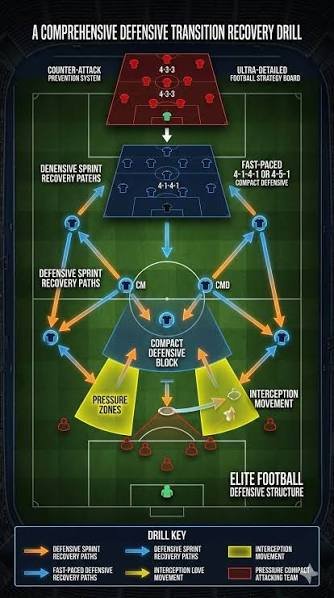
The defensive stability of a possession side depends not on how well they pass the ball, but on how effectively their rest-defense structure is organized while they are attacking. A well-drilled rest-defense employs a 3+2 or 2+3 base shape behind the ball to immediately smother transitional outlets.
The analytical breakdown below illustrates how contrasting rest-defense configurations directly dictate transition vulnerability and subsequent market outcomes during elite French league fixtures.
| Rest-Defense Structure | Structural Setup Behind Attack | Counter-Attack Vulnerability | Typical Concession Mechanism | Primary Betting Implication |
| Disciplined 3+2 Shape | 3 Center-Backs + 2 Defensive Pivots | Low | Wide breakaways forced away from central goal frame | Under Match Totals & Clean Sheet Backing |
| Aggressive 2+2 Shape | 2 Center-Backs + 2 Midfield Anchors | Moderate | Vertical passes into half-space channels behind full-backs | Both Teams to Score (BTTS) Yes |
| Fractured 2+1 Shape | 2 Isolated Center-Backs + 1 Single Pivot | High | Direct two-on-two central breakaways from central turnovers | Opponent Team Total Over Lines |
| Overcommitted 1+2 Shape | 1 Sweeper-Keeper + Overlapping Full-Backs | Extreme | Long diagonal clearances over the top into empty half-field | Asian Handicap Underdog Positive Spreads |
These structural formations highlight why heavy possession stats often mask extreme defensive fragility. When a team operates with a fractured 2+1 rest-defense, losing possession on the edge of the box forces the lone defensive midfielder to cover horizontal spaces that are physically impossible to defend alone, creating an immediate pipeline of high-quality chances for rapid counter-attacking opponents.
Mechanisms of the Counter-Pressing Window Failure
When possession is lost on the edge of the penalty box, the attacking team has a critical three-to-five-second counter-pressing window to regain the ball or commit a professional foul. If the first line of pressure fails to disrupt the ball-carrier’s initial forward pass, the counter-pressing structure collapses completely. The defending team can then execute a direct vertical pass into the space vacated by advancing full-backs, bypassing the entire midfield line in a single action.
Tactical Triggers That Convert Peripheral Possession into Rapid Turnovers
Counter-attacking opportunities against short-passing teams are rarely accidental; they are engineered by defending teams through deliberate pressing traps and spatial denial. Disciplined defenses intentionally leave specific passing lanes open into congested areas, baiting playmakers into traps where multiple defenders converge simultaneously.
Identifying which tactical setups generate high-frequency turnover opportunities requires tracking several key indicators:
- Overcrowded Central Half-Spaces: Three or more attacking players occupying the same vertical lane, causing erratic passing angles that are easy to anticipate and intercept.
- Lack of Wide Dribbling Outlets: Possession units that refuse to cross from wide areas, forcing all attacking sequences back into a heavily packed central funnel.
- Explosive Transitional Forwards: Underdogs deploying rapid wingers positioned on the blind sides of advancing full-backs ready to break the moment possession shifts.
- Hesitant Central Ball-Circulation: Slow passing tempo that allows the low-block defense to shift laterally and double-team the receiving midfielder before they can turn toward goal.
Recognizing these specific conditions enables analysts to identify matches where overwhelming favorite possession statistics actually indicate a high probability of conceding breakaway goals.
Evaluating how these tactical setups translate into pre-match line movements requires observing how market participants price possession favorites. When statistical models identify a favorite whose central buildup creates dangerous counter-attacking liability, reviewing early spreads on a dedicated sports betting service like ufa168 enables sharp bettors to capture favorable plus-money prices on underdog team totals and positive handicap lines before market sentiment shifts.
The Role of Transitional Speed: Converting Regained Balls into High-Value Shots
Not every team that wins possession on the edge of its own box can capitalize on the transition; the defensive unit must possess exceptional vertical speed and direct passing mechanics. In Ligue 1, mid-table teams that built their identities around rapid transitions required only three to four touches from the moment of turnover to register a shot on target.
When the defensive team recovers the ball, an immediate diagonal pass away from the pressing zone releases a sprinting forward into the vast space left by an attacking full-back. Because the opposition center-backs are back-pedaling toward their own goal at an awkward angle, they cannot step up aggressively without risking a foul or conceding a penalty, resulting in uncontested one-on-one chances with the goalkeeper that boast exceptionally high expected goal (xG) ratings.
Understanding how specialized game dynamics influence odds across digital platforms is essential for long-term analytical execution. For sports bettors who also explore modern betting interface environments featuring diverse wagering options and live gaming, maintaining a methodical focus on underlying tactical friction ensures that matchday positions are grounded in structural reality rather than surface-level brand reputation.
Conditional Value of High-Line Vulnerabilities in Leading Game States
When an expansive possession side takes a one-goal lead, their structural commitment to playing high up the pitch rarely diminishes. The opposing team, now forced to push slightly higher, gains even more transition leverage if the leading favorite continues to circulate short passes around the box rather than managing game tempo, leading to dramatic second-half equalizers that offer lucrative in-play value.
Structural Traps: When Counter-Attacking Systems Break Down
While backing transition teams against possession-heavy sides is a potent analytical angle, specific operational conditions can completely neutralize the counter-attacking threat. Uncritical wagering on underdog breakaways without checking matchup dependencies results in unforced portfolio losses.
The primary breakdown points for counter-attacking angles include:
- Elite Sweeper-Keeper Interceptions: An opposing goalkeeper who plays aggressively thirty yards off their line, sweeping up long transition balls before the counter-attacking forward can arrive.
- Defensive Disciplinary Fouls: A possession side that masterfully uses tactical fouls in the defensive transition phase, breaking up counter-attacks in the middle third and resetting their defensive shape.
- Poor Ball-Carrying Technique Under Pressure: Underdog forwards who lack the technical composure to retain possession long enough for supporting runners to join the break.
- Early Match Concessions: Falling behind inside the opening ten minutes, which forces the low-block team to abandon their counter-attacking posture and initiate possession play they are ill-equipped to sustain.
Filtering fixtures through these qualitative risk checks ensures that counter-attacking positions are taken only when the tactical conditions reliably favor high-speed transitions.
Summary
Intricate short passing outside the opponent’s penalty box presents an inherent tactical paradox: it maximizes sustained territorial dominance while creating severe, high-risk counter-attacking exposure. During the 2019/20 Ligue 1 season, possession teams with flawed rest-defense frameworks regularly conceded high-quality breakaway opportunities from central turnovers. Bettors who identify mismatches between overcommitted central buildup and rapid transitional forward lines can uncover significant value on positive underdog Asian Handicaps, Both Teams to Score selections, and opponent team total over lines. Successfully exploiting these transition dynamics demands verifying rest-defense organization, evaluating counter-pressing discipline, and ensuring the underdog possesses the vertical passing speed necessary to execute punishing breaks.
