


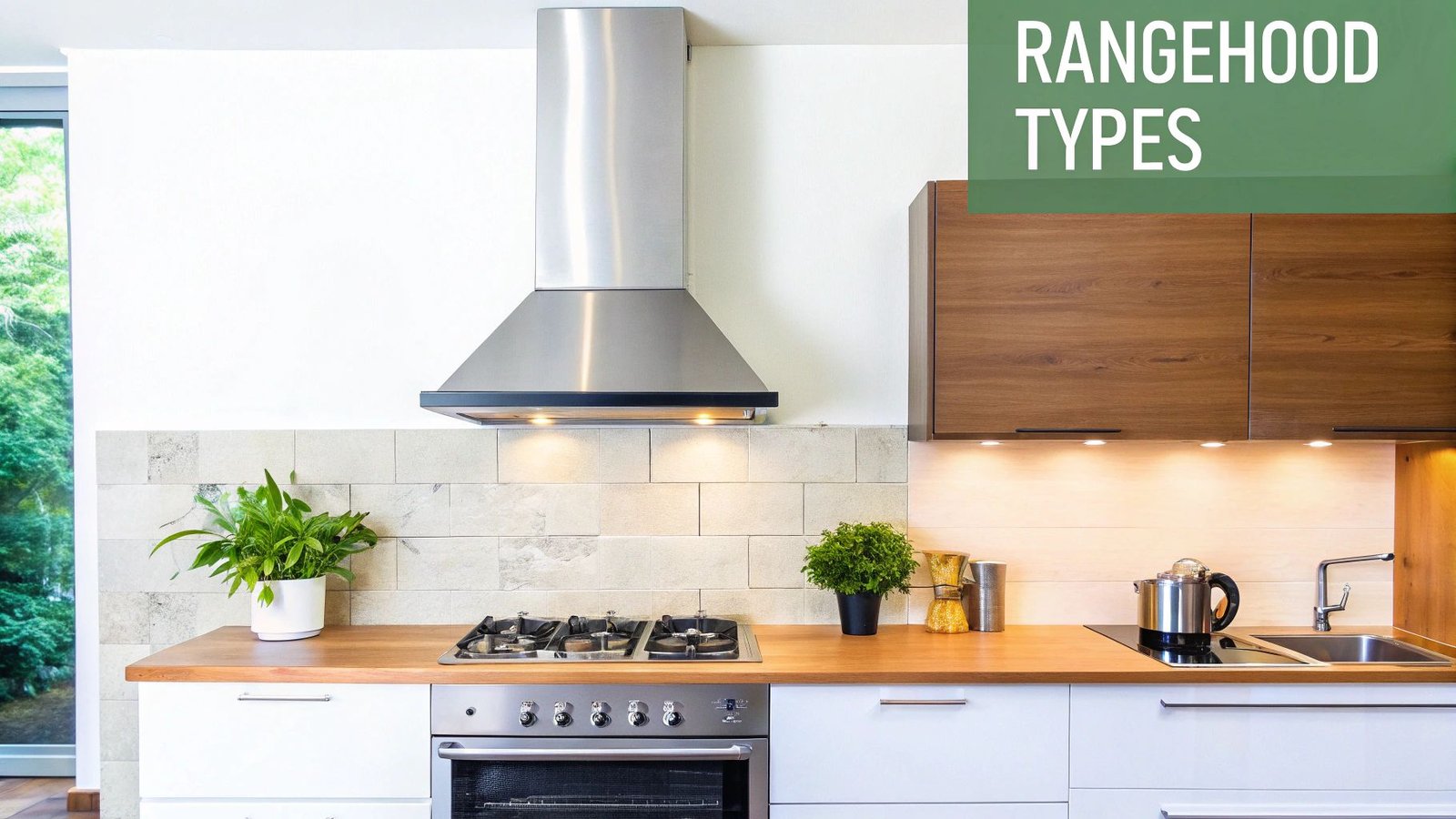
Every kitchen deserves excellent ventilation — not just for comfort, but for health, cleanliness, and cooking performance. Whether you’re renovating your kitchen or installing your first ventilation system, selecting the ideal range hood can make a dramatic difference in how your space feels and functions.
In this guide, we’ll walk you through everything you need to know to choose the best range hoods, from types and sizing to airflow power and installation tips, so you make an informed purchase that fits your kitchen and lifestyle.
By the end, you’ll understand how to match features to your needs and where to find trustworthy recommendations, including the latest tested selections like those featured on best range hoods from shopfuturyhome.
Why You Need a Good Range Hood
Cooking releases smoke, steam, grease, and odors that can linger in your kitchen long after the meal is done. Without proper ventilation, these pollutants can:
- Stick to walls, cabinets, and countertops
- Increase humidity and potential mold growth
- Irritate respiratory systems
- Make your kitchen smell stale or smoky
A range hood captures and removes these airborne byproducts, improving air quality and keeping your kitchen cleaner and more pleasant to use. Accurate ventilation can even prevent long-term damage to surrounding surfaces.
Core Factors to Consider Before Buying
Before you explore specific models, here’s how to evaluate what you actually need:
1. Ventilation Type: Ducted vs. Ductless
- Ducted (Vented): Sucks air up and out of your home through ductwork. This is the most effective setup and ideal for heavy cooking.
- Ductless (Recirculating): Air is filtered and recycled back into the kitchen — best when external venting isn’t possible.
- Convertible: Offers flexibility by allowing installation in either mode.
2. Airflow Capacity (CFM)
Airflow — measured in cubic feet per minute (CFM) — determines how much air the hood can move:
- Light cooks or electric stoves may be fine with 300–400 CFM.
- Gas ranges or frequent high-heat cooking benefit from 600+ CFM.
- Manufacturer recommendations often suggest at least 100 CFM per 10,000 BTUs of total stove output.
3. Size Matters: Width & Mounting Height
A general rule: your hood should match or exceed the width of your cooktop. A wide hood captures more smoke and vapor before they escape into the kitchen. Install your hood high enough to maximize effectiveness without crowding your workspace.
4. Mounting Style & Aesthetics
Choose a style based on kitchen design, space, and performance needs:
- Under-cabinet: Great for smaller kitchens and budget-minded buyers.
- Wall-mounted chimney: Classic choice for gas or larger cooktops.
- Island hood: Stylish centerpiece for open layouts.
- Insert/liner hoods: Hidden behind custom cabinetry for a seamless look.
5. Noise Levels
Measured in sones or decibels, quieter fans make a big difference in everyday use. Some high-capacity models manage airflow with impressively low noise — worth prioritizing if your kitchen connects to living spaces.
6. Filters & Maintenance
- Metal baffle or mesh filters are reusable and easy to clean.
- Charcoal filters are common in ductless systems but need replacing periodically.
Popular Range Hood Types Explained
Let’s break down the most common styles so you can visualize what fits your space and cooking habits:
Wall-Mounted Hoods
Classic and powerful, these hoods attach directly above your cooktop and usually vent outside. They’re excellent for heavy cooking and large kitchens.
Under-Cabinet Hood
A space-saving option that fits under upper cabinets. It’s ideal for smaller or traditional kitchens and offers solid performance without dominating the space.
Island Hood
Designed for cooktops on a kitchen island, these hoods hang from the ceiling and combine strong airflow with striking design.
Insert & Built-In Hoods
These are installed within custom cabinetry or built-in structures to maintain a clean, integrated kitchen look without sacrificing power or functionality.
Real-World Performance: What to Look For
When shopping, look beyond basic specs. Here’s what separates a good hood from a great one:
- Multi-speed fans adjust airflow for different cooking intensities.
- LED lighting brightens your workspace while keeping energy consumption low.
- Easy-to-clean filters extend product life and maintain performance.
- Some newer models even include smart controls so you can manage fan speed or lighting via apps or voice commands.
Final Tips: Smart Purchasing Strategy
- Check return and warranty policies — kitchens are long-term investments.
- Measuring your space and cooktop before evaluating hoods prevents buyer’s remorse.
- Think long-term: a slightly more powerful unit often pays off in comfort and air quality.
Wrapping Up
Choosing the right range hood doesn’t have to be confusing. By understanding key features like ventilation type, airflow, size, and style, you can confidently home in on the best option for your kitchen.
For tested recommendations and in-depth model insights, explore the latest curated list of best range hoods from shopfuturyhome — it’s a great starting point to find kitchen ventilation that performs and lasts.
