



Gaming PCs are experiencing unprecedented transformation, driven by advancements in artificial intelligence, hardware innovations, and shifting market conditions. Whether you are a passionate gamer or a tech enthusiast, staying on top of these changes can inform smarter, more strategic purchase decisions. As technology becomes more sophisticated, options for both high-end custom rigs and pre-built gaming desktop PC systems continue to expand, offering flexibility for consumers of all experience levels and budgets.
From performance breakthroughs to new form factors, and from increasing affordability pressure to global supply chain impacts, the landscape is shifting fast. Today’s gaming PCs can deliver cutting-edge gameplay as well as tailored user experiences, adapting rapidly to individual preferences and play styles. This evolution influences how gamers choose hardware, plan upgrades, and experience interactive entertainment at every level.
AI Integration Enhances Gaming Performance
Artificial intelligence is now an essential component in next-generation gaming PCs. By optimizing in-game performance and fine-tuning user experiences, AI-powered technologies have created a new standard for interactive entertainment. Key developments, such as NVIDIA’s RTX Spark “superchip,” are making local execution of AI models possible. This allows for advanced game mechanics, responsive non-player characters, and highly adaptive environments, all while reducing reliance on cloud-based systems that introduce privacy and latency concerns. These capabilities lead to more immersive and personalized experiences for players of all skill levels.
What’s more, AI is not only shaping visuals and gameplay but also impacting system management. Features like automatic overclocking, thermal regulation, and power optimization are being fine-tuned by AI-driven algorithms that continually learn from user behavior and game demands. Gamers now experience optimized settings and smoother gaming sessions with minimal manual intervention, freeing them to focus on strategy and immersion rather than troubleshooting. AI integration is transforming everything from real-time ray tracing effects to personalized predictive maintenance alerts, keeping PCs running at peak efficiency and longevity.
Emerging Hardware Innovations
Developments in gaming PC hardware are continually raising the bar for speed, efficiency, and portability. Noteworthy is MSI’s Claw 8 EX AI+ handheld gaming device, which houses Intel’s Arc G3 Extreme processor in a compact chassis. This approach delivers robust gaming performance typically reserved for larger desktops. Continued advances in miniaturization and thermal management mean that smaller, quieter, and more power-efficient systems are now available, without the need for compromise. These innovations empower users who want high-end performance in a smaller, modern design. For a big-picture view of current hardware innovation, TechRadar’s coverage is a helpful resource.
Another area of rapid advancement is memory and storage technology. The adoption of DDR5 RAM and PCIe Gen 5 solid-state drives has pushed data transfer speeds and loading times to new heights, strengthening the case for upgrading or future-proofing your gaming system. Cutting-edge motherboards now support faster interfaces, more robust connectivity, and even integrated AI accelerators, ensuring that upcoming games and software can fully utilize tomorrow’s potential. The result is a more responsive, fluid, and immersive gameplay experience, even as game file sizes and texture resolutions continue to balloon.
Market Dynamics and Affordability
The market for gaming PCs is booming, particularly at the high-end, with demand for flagship GPUs and advanced CPUs remaining high. However, this growth has also driven up prices, making top-tier hardware less accessible to budget-focused consumers. To address this, Arm-based PCs are emerging as a potential solution, offering comparable gaming experiences at a fraction of the cost and energy consumption. Industry analysts project rapid growth in this sector, with Arm chipsets being integrated into more affordable gaming systems and laptops. This trend has the potential to democratize PC gaming by making it accessible to a broader audience, minimizing the price barrier.
Advancements in Handheld Gaming PCs
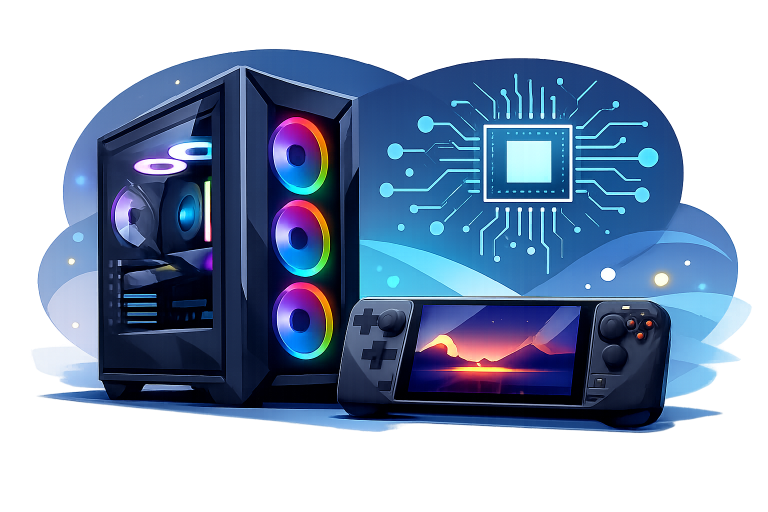
Portability has emerged as a priority for many gamers, and the latest handheld gaming PCs reflect this shift. Devices like MSI’s Claw 8 EX AI+ are redefining mobile gaming by incorporating desktop-grade processors and graphics capabilities. These handheld systems merge the convenience of portable consoles with the performance of traditional gaming desktops, letting players enjoy demanding titles virtually anywhere. Enhanced battery life and innovative cooling methods are ensuring that the handheld experience remains smooth and uninterrupted.
Impact of AI Demand on Hardware Costs
The surge in global demand for artificial intelligence infrastructure does not just affect software. It has significant implications for gaming PC component pricing. Rampant demand for high-end GPUs and memory, needed for both AI processing and gaming workloads, has led to worldwide shortages and increased costs. This inflation impacts not only individual gamers but also cloud gaming platforms and plans for next-generation gaming consoles. Consumers hoping to upgrade or build new systems need to be aware of these broader industry trends, which can affect hardware pricing for months or even years to come. For a current analysis, the Reuters report on the AI chip bottleneck provides a valuable perspective.
Additionally, supply chain disruptions caused by material shortages and increasing global demand have compelled manufacturers to rethink inventory strategies and develop closer relationships with key suppliers. This reshaping of production pipelines can improve resilience over time but may also keep prices elevated in the short term. Meanwhile, some companies are investing heavily in vertical integration, working to produce more components in-house to mitigate external risks and secure steady access to critical chips and memory.
Future Outlook
The future of gaming PCs is bright, characterized by rapid technological progress, growing use of artificial intelligence, and an expanding ecosystem of devices. As manufacturers continue to push the envelope with smarter, faster, and more compact hardware, gamers are set to benefit from unprecedented experiences and deeper personalization. At the same time, market challenges like rising hardware costs and supply chain constraints will shape how quickly these innovations become widely available. By keeping informed about these evolving trends, players can make smarter decisions and prepare for exciting new developments on the horizon.
In conclusion, the gaming PC landscape is rapidly evolving through a combination of AI advancements, hardware breakthroughs, and complex market dynamics. Gamers who follow these trends closely will be well-positioned to enjoy the very best this fast-moving industry has to offer, whether through DIY builds or emerging pre-built gaming desktop PC systems.
