


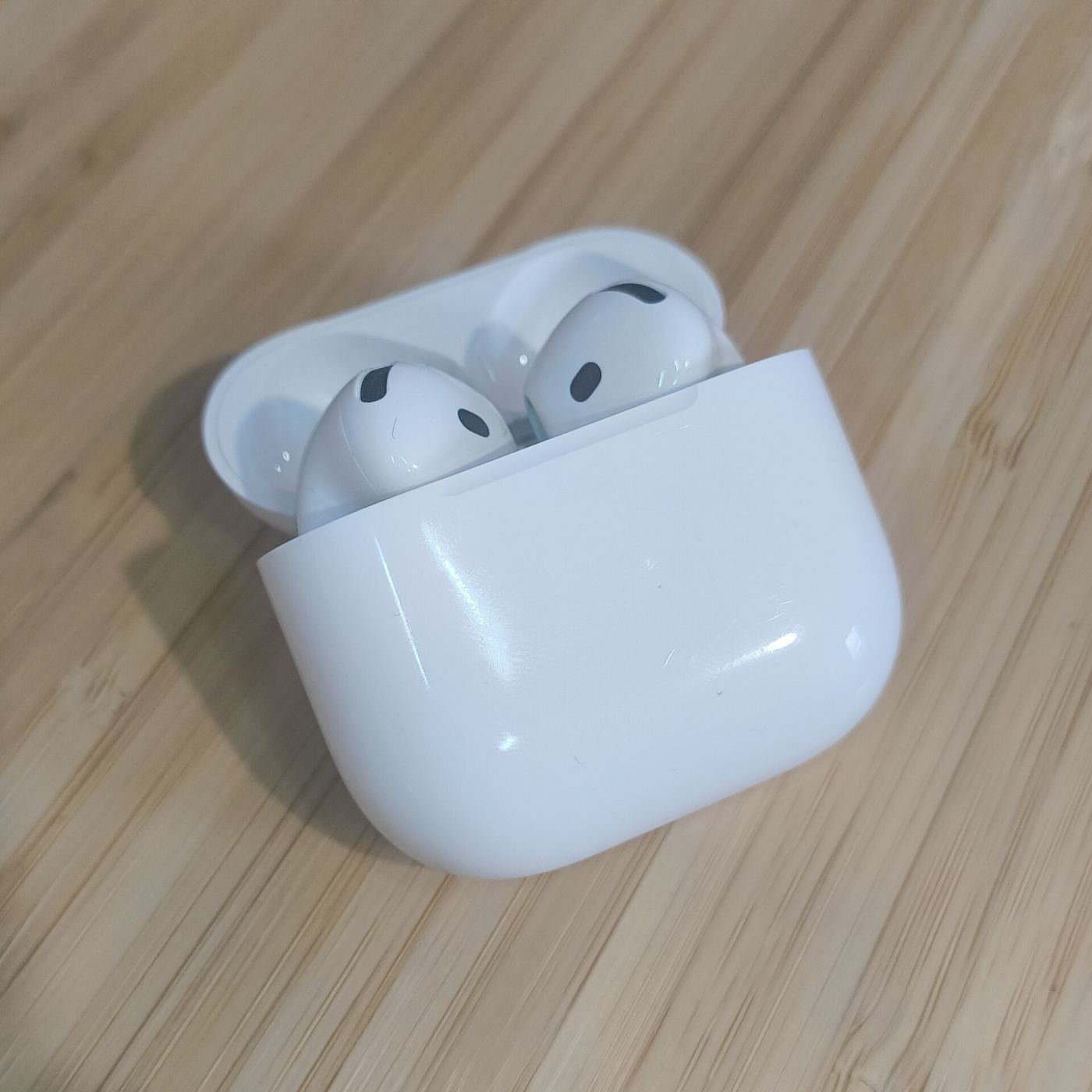
Asking for directions in a language you do not speak used to mean pointing, miming and hoping for the best. Translation earbuds change that awkward exchange into a conversation. Each person wears one earbud, speaks in their own language, and hears the other person’s words translated a moment later, spoken aloud in their ear. The earbuds connect to a phone app that does the translating, and they now cover dozens of languages, including the ones most travellers actually meet. A shopkeeper, a taxi driver and a hotel receptionist can all be understood without a phrasebook. The delay is short, usually a second or two, which is close enough to feel like a real conversation rather than a slow exchange of messages. They are also useful at home, where a family can talk with a new neighbour, a carer or a colleague whose first language is different.
What the Evidence Shows
The earbuds work best in a quiet place with one person speaking at a time, since background noise and two voices talking over each other confuse the translation. Accuracy is strongest between widely spoken languages and weaker for slang, jokes and local sayings, so travellers should keep sentences short and simple. The earbuds also need a charged phone and a steady connection for the best results, though some models now translate common phrases without a signal. They do not replace learning a few polite words, and a greeting in the local language still opens more doors than any gadget. But for directions, menus, prices and emergencies, a pair of translation earbuds turns a foreign street from a puzzle into a place where a traveller can ask, listen and be understood. Reporting and analysis from sources such as MIT Technology Review track the same developments, and specialists following translation earbuds say the direction is now consistent across independent lines of evidence.
The Wider Context
The wider context is an industry learning to ship capability and restraint together. Products built around translation earbuds now launch with safety evaluations, usage data and rollback plans as standard, because enterprise buyers and regulators ask for them in the first meeting. Companies that treated those questions as friction are discovering they have become the purchase criteria.
What Happens Next
What happens next for translation earbuds depends less on another breakthrough than on the unglamorous work of reliability, pricing and support. The buyers evaluating it now are not enthusiasts; they are operators with budgets and auditors, and their checklists will decide the timeline. On the evidence of the current pilots, the technology has earned the right to be judged by them. You can follow related developments in our coverage of technology.
There is a practical lesson in all of this for readers deciding what to do today. Start with the verified facts, be wary of anyone promising certainty, and prefer reversible steps while the evidence is still developing. Circumstances differ by country, income and personal situation, so general guidance should always be weighed against your own context before you act on it in any significant or lasting way.
