


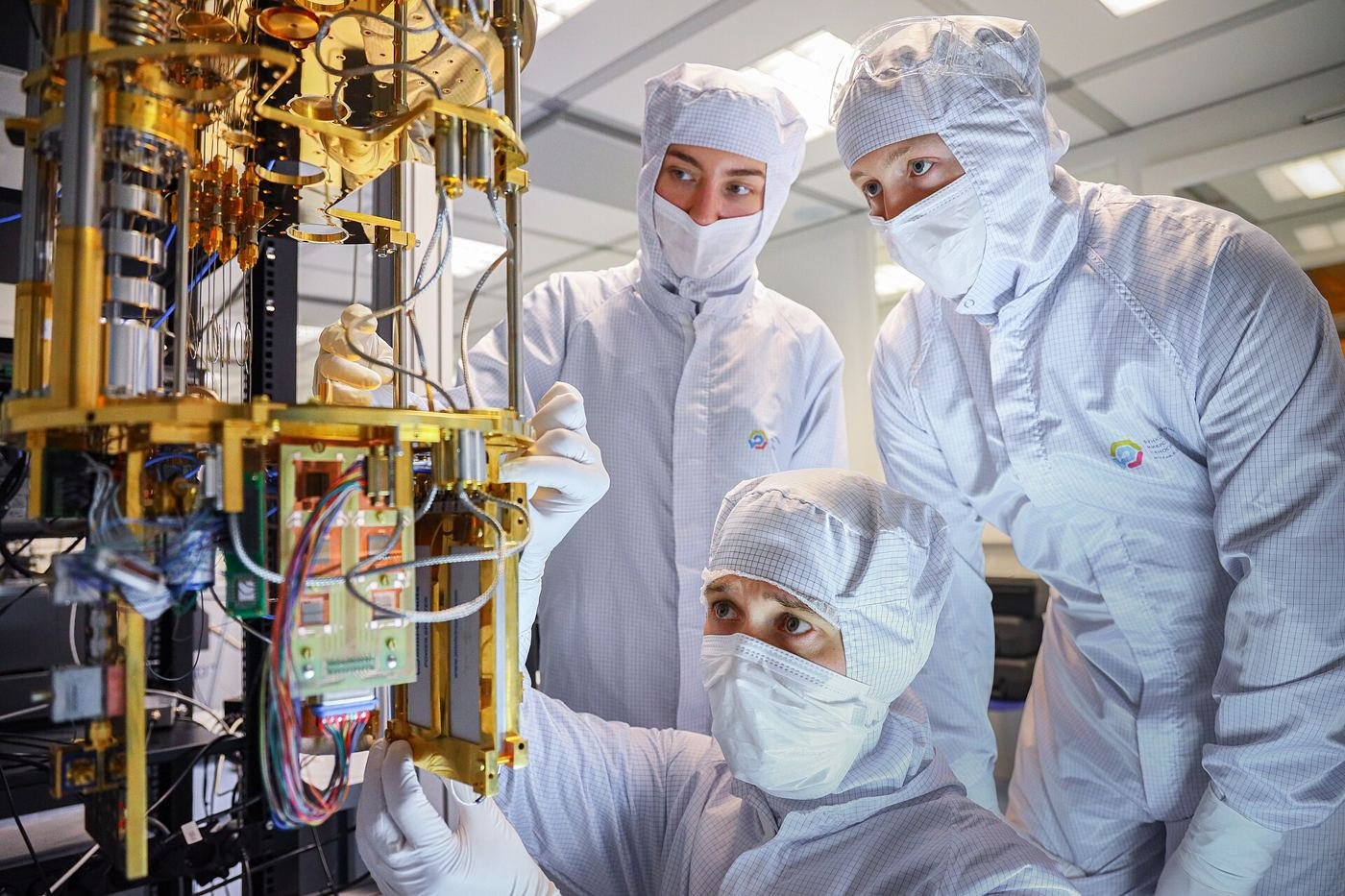
Finding a new medicine usually takes a decade and billions of pounds, but quantum computers may soon shorten the hardest part of the search. Drug researchers need to understand how molecules behave, and the interactions inside a single protein involve so many possibilities that even the fastest ordinary computers can only approximate them. Quantum machines work differently, using the strange rules of quantum physics to explore many molecular shapes at once, which could let scientists test a promising compound in days rather than months. Pharmaceutical companies are already running small experiments, simulating simple molecules and checking the results against known chemistry. The machines are still young and noisy, with errors that limit them to modest problems, yet each generation grows more reliable. Experts expect the first practical wins in narrow areas, such as designing a molecule that fits a particular protein target. If the promise holds, the slow, expensive hunt for new treatments could become faster and cheaper.
What the Evidence Shows
The road to useful quantum drug design still has several hurdles to clear. Today’s machines have only a few hundred usable qubits, far fewer than the thousands that a full simulation of a complex drug would need. Error correction is the biggest challenge, since quantum states are fragile and a stray vibration or temperature change can spoil a calculation. Researchers are working around the limits by splitting the work, letting the quantum machine handle the hardest part of a molecule while ordinary computers manage the rest. Partnerships between drug companies and quantum start-ups are growing, with shared teams of chemists and physicists learning each other’s language. Training matters too, because the field needs scientists who understand both medicine and quantum theory. Timelines remain uncertain, with some experts predicting useful results within a decade and others urging patience, but the direction of travel is clear. Reporting and analysis from sources such as MIT Technology Review track the same developments, and specialists following quantum computing drug discovery say the direction is now consistent across independent lines of evidence.
The Wider Context
The wider context is an industry learning to ship capability and restraint together. Products built around quantum computing drug discovery now launch with safety evaluations, usage data and rollback plans as standard, because enterprise buyers and regulators ask for them in the first meeting. Companies that treated those questions as friction are discovering they have become the purchase criteria.
What Happens Next
What happens next for quantum computing drug discovery depends less on another breakthrough than on the unglamorous work of reliability, pricing and support. The buyers evaluating it now are not enthusiasts; they are operators with budgets and auditors, and their checklists will decide the timeline. On the evidence of the current pilots, the technology has earned the right to be judged by them. You can follow related developments in our coverage of technology.
There is a practical lesson in all of this for readers deciding what to do today. Start with the verified facts, be wary of anyone promising certainty, and prefer reversible steps while the evidence is still developing. Circumstances differ by country, income and personal situation, so general guidance should always be weighed against your own context before you act on it in any significant or lasting way.
