


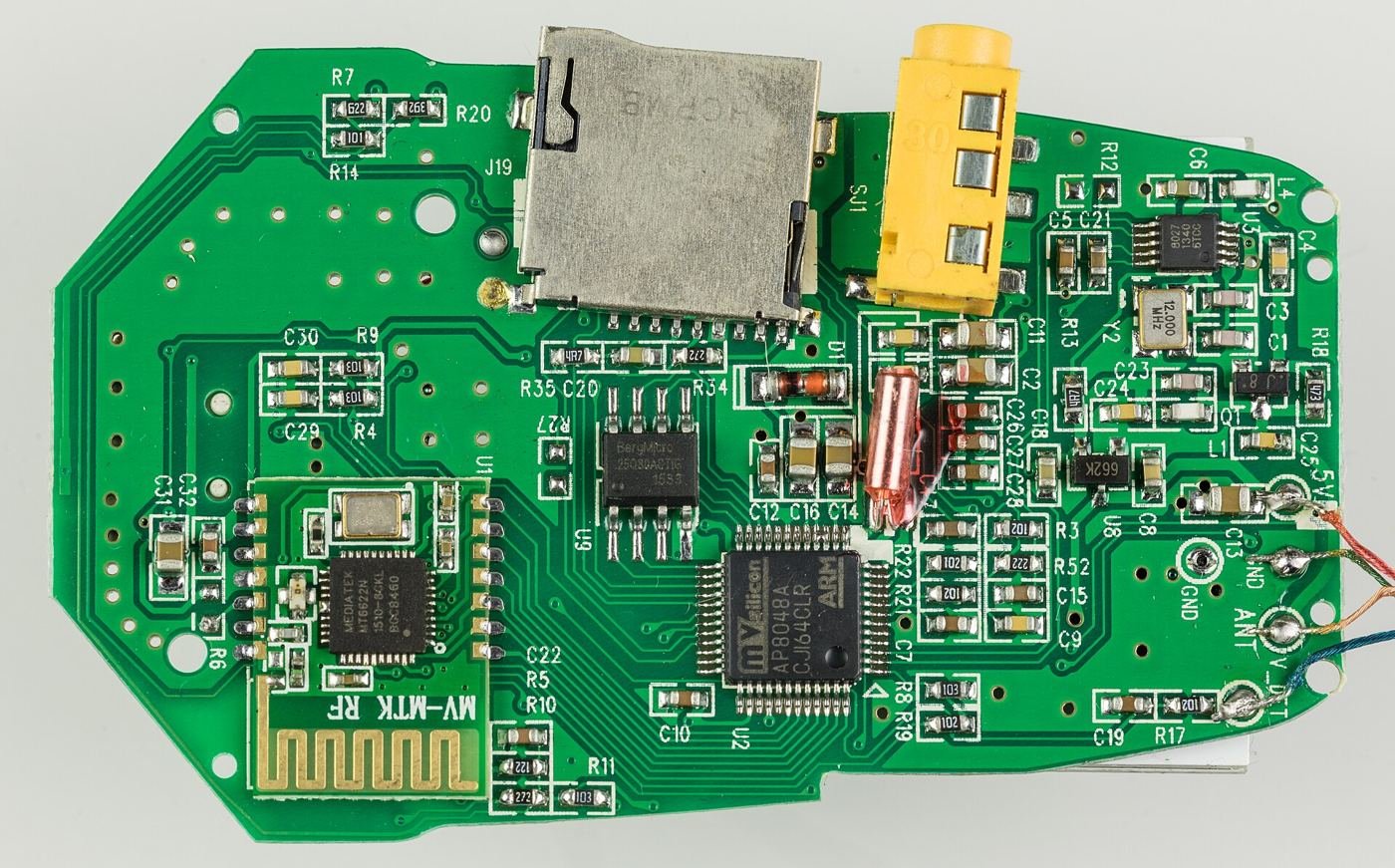
AI chips inside phones are learning to do more with less power, bringing features that once needed a distant data centre right into the pocket. The latest chips handle photo enhancement, live translation and voice recognition on the device itself, without sending recordings or pictures to the cloud. Running these tasks locally means faster responses and better privacy, since personal data can stay on the phone rather than travelling across the internet. Chip designers achieve this with specialised circuits that perform the maths behind machine learning far more efficiently than a general-purpose processor. The result is a phone that can blur a background, transcribe a conversation or recognise a face in a fraction of a second. Battery life benefits too, because the chip sips power instead of waking the radio to reach a server. For users, the change is mostly invisible, showing up as features that simply work quicker and feel more responsive than before.
What the Evidence Shows
The shift to on-device AI is changing how phones are designed and sold. Makers now advertise the chip’s capabilities as a headline feature, alongside the camera and the screen, and software updates can add new tricks to the same hardware over time. App developers are building features that assume an AI chip is present, from smarter keyboards that predict the next word to health apps that spot patterns in daily activity. There are limits, since the largest models still need the power of a data centre, and phones must balance performance against heat and battery drain. Security researchers also watch the new chips closely, testing whether the models they run can be fooled or tricked. Even so, the direction is clear, with each generation of phone chip handling more intelligence locally. The smartphone is quietly becoming a pocket-sized AI assistant, doing its cleverest work without ever leaving its owner’s hand. Reporting and analysis from sources such as MIT Technology Review track the same developments, and specialists following AI chips in phones say the direction is now consistent across independent lines of evidence.
The Wider Context
The wider context is an industry learning to ship capability and restraint together. Products built around AI chips in phones now launch with safety evaluations, usage data and rollback plans as standard, because enterprise buyers and regulators ask for them in the first meeting. Companies that treated those questions as friction are discovering they have become the purchase criteria.
What Happens Next
What happens next for AI chips in phones depends less on another breakthrough than on the unglamorous work of reliability, pricing and support. The buyers evaluating it now are not enthusiasts; they are operators with budgets and auditors, and their checklists will decide the timeline. On the evidence of the current pilots, the technology has earned the right to be judged by them. You can follow related developments in our coverage of technology.
There is a practical lesson in all of this for readers deciding what to do today. Start with the verified facts, be wary of anyone promising certainty, and prefer reversible steps while the evidence is still developing. Circumstances differ by country, income and personal situation, so general guidance should always be weighed against your own context before you act on it in any significant or lasting way.
