


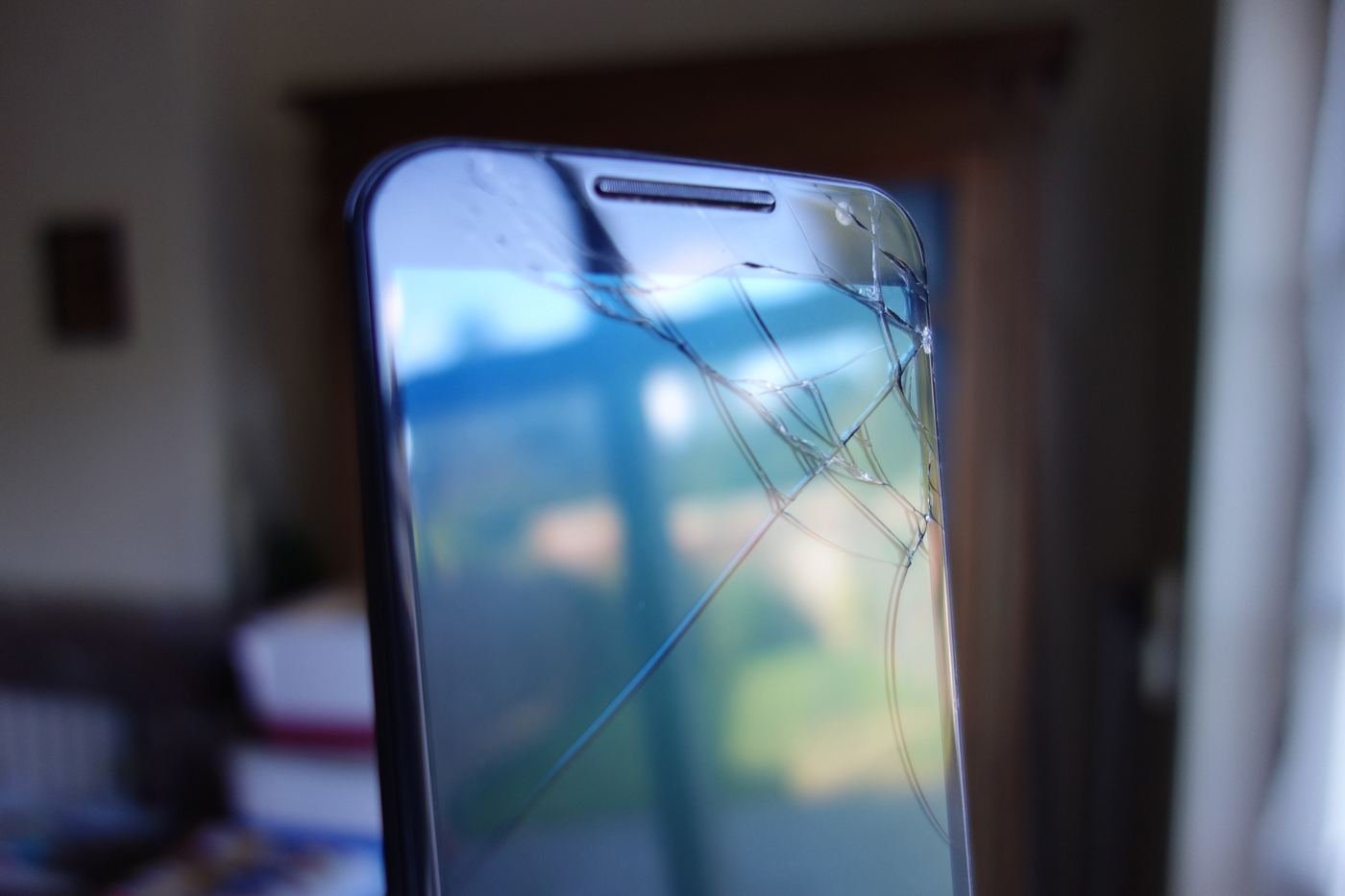
Phone screens crack and scratch so easily that most owners hide them behind glass protectors, yet a new generation of self-healing materials may make those scars disappear on their own. The idea relies on a special polymer coating that flows slowly back together when scratched, much like skin closing over a small cut. Warmth speeds the process, so a faint scratch left on a phone in a sunny pocket may fade within hours. Researchers have shown coatings that can repair shallow scratches repeatedly, and some laboratory versions can even mend deeper damage when gently heated. Phone makers are interested because a screen that heals itself would cut warranty claims and keep devices looking new for longer. The technology is not yet ready to survive a drop onto concrete, and deep cracks still need a repair shop. But for the everyday scratches from keys and coins that dull a screen over time, self-healing coatings could soon make the protector obsolete.
What the Evidence Shows
The first self-healing screens will probably appear as a coating rather than a whole new display. Makers can apply the polymer layer to an existing screen, which keeps costs down and lets the technology reach ordinary phones rather than only flagships. Durability is the open question, since a coating that heals scratches must also survive months of fingers, pockets and cleaning without wearing away. Some designs use heat from the phone itself to trigger the repair, while others rely on a special chemical reaction when the surface is damaged. Reviewers will want to see how many times the same spot can heal before the effect fades. The idea extends beyond phones, with laptops, watches and car displays all candidates for a surface that looks after itself. If the coatings prove tough enough for daily life, the sight of a scratched phone screen may become a rare one. Reporting and analysis from sources such as IEEE Spectrum track the same developments, and specialists following self-healing phone screens say the direction is now consistent across independent lines of evidence.
The Wider Context
Adoption of self-healing phone screens follows a familiar pattern with an unfamiliar speed. Early users tolerate rough edges in exchange for advantage, mainstream users arrive when the tool disappears into existing workflows, and the market consolidates around whoever made that transition feel effortless. Vendors are racing less on raw performance now than on integration, support and trust.
What Happens Next
The realistic forecast for self-healing phone screens is steady integration rather than sudden replacement: embedded in products people already use, improving in increments, and regulated in proportion to its reach. The companies and institutions that plan on that basis, training staff and redesigning processes instead of chasing launches, are the ones the adoption data tends to vindicate. You can follow related developments in our coverage of technology.
It is also worth remembering how quickly the picture in this area has changed before. Positions that looked settled a few years ago have been revised as new data arrived, and the same humility is appropriate now. The strongest coverage of this subject, and the most useful advice, tends to come from sources that update their views openly when the facts move, rather than defending an earlier position long after it has stopped fitting the evidence available.
