


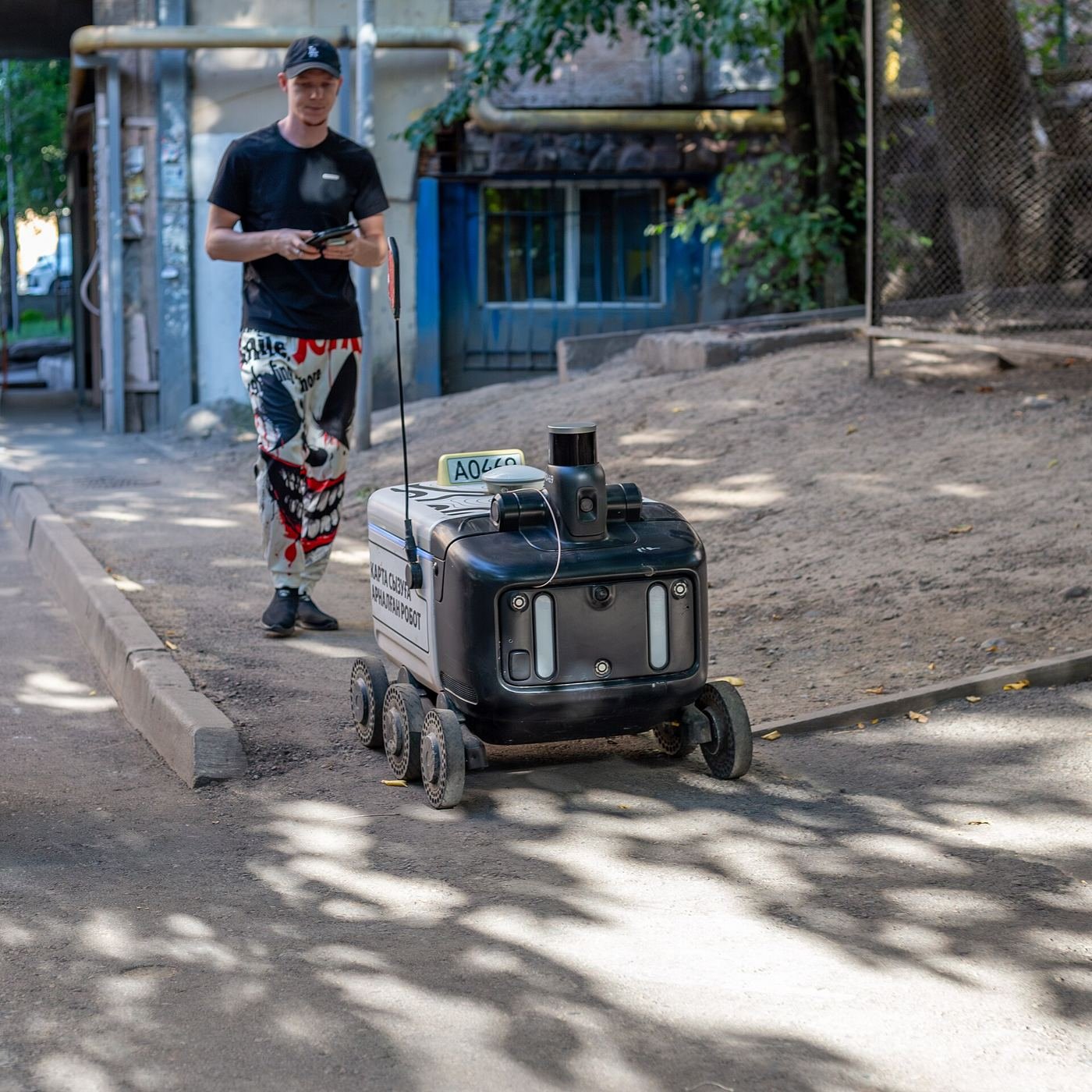
A small six-wheeled robot trundling along the pavement at walking pace has become a familiar sight in a growing number of British towns. These delivery robots carry groceries and takeaway meals in a locked compartment, navigate with cameras and sensors, and stop for pedestrians at crossings. Customers order through a food-delivery app, track the robot on a map, and open it with a code when it arrives at their door. Starship Technologies, the largest operator, has completed more than ten million deliveries worldwide, and its robots have served towns such as Milton Keynes, Leeds and Sunderland since 2018. Supermarkets have joined in too, with Morrisons trialling robot grocery deliveries through Just Eat in 2026. For shoppers without a car, the robot brings the shop to the street. The robots cross roads carefully at pedestrian crossings, and a human operator can take over remotely if one gets stuck or confused. on quiet residential streets.
What the Evidence Shows
The robots are not without limits. Each one carries only about two shopping bags, travels at around four miles an hour, and stays within a small mapped area, so it suits short local orders rather than a weekly shop. Bad weather, steep kerbs and crowded pavements can slow them down, and some campaigners worry about access for people with sight loss or mobility problems. The law has not fully caught up either, since Britain still has no dedicated national framework for pavement robots. Even so, the machines keep working through the day without breaks, and operators say the cost per drop is low. As fleets grow and rules settle, the pavement robot looks set to become a normal part of local delivery. Retailers like the model because it serves homes just beyond easy walking distance, where a van delivery would cost more than the order itself. Councils are now writing local rules to keep pavements safe for everyone. Reporting and analysis from sources such as MIT Technology Review track the same developments, and specialists following delivery robots say the direction is now consistent across independent lines of evidence.
The Wider Context
The wider context is an industry learning to ship capability and restraint together. Products built around delivery robots now launch with safety evaluations, usage data and rollback plans as standard, because enterprise buyers and regulators ask for them in the first meeting. Companies that treated those questions as friction are discovering they have become the purchase criteria.
What Happens Next
What happens next for delivery robots depends less on another breakthrough than on the unglamorous work of reliability, pricing and support. The buyers evaluating it now are not enthusiasts; they are operators with budgets and auditors, and their checklists will decide the timeline. On the evidence of the current pilots, the technology has earned the right to be judged by them. You can follow related developments in our coverage of technology.
There is a practical lesson in all of this for readers deciding what to do today. Start with the verified facts, be wary of anyone promising certainty, and prefer reversible steps while the evidence is still developing. Circumstances differ by country, income and personal situation, so general guidance should always be weighed against your own context before you act on it in any significant or lasting way.
