


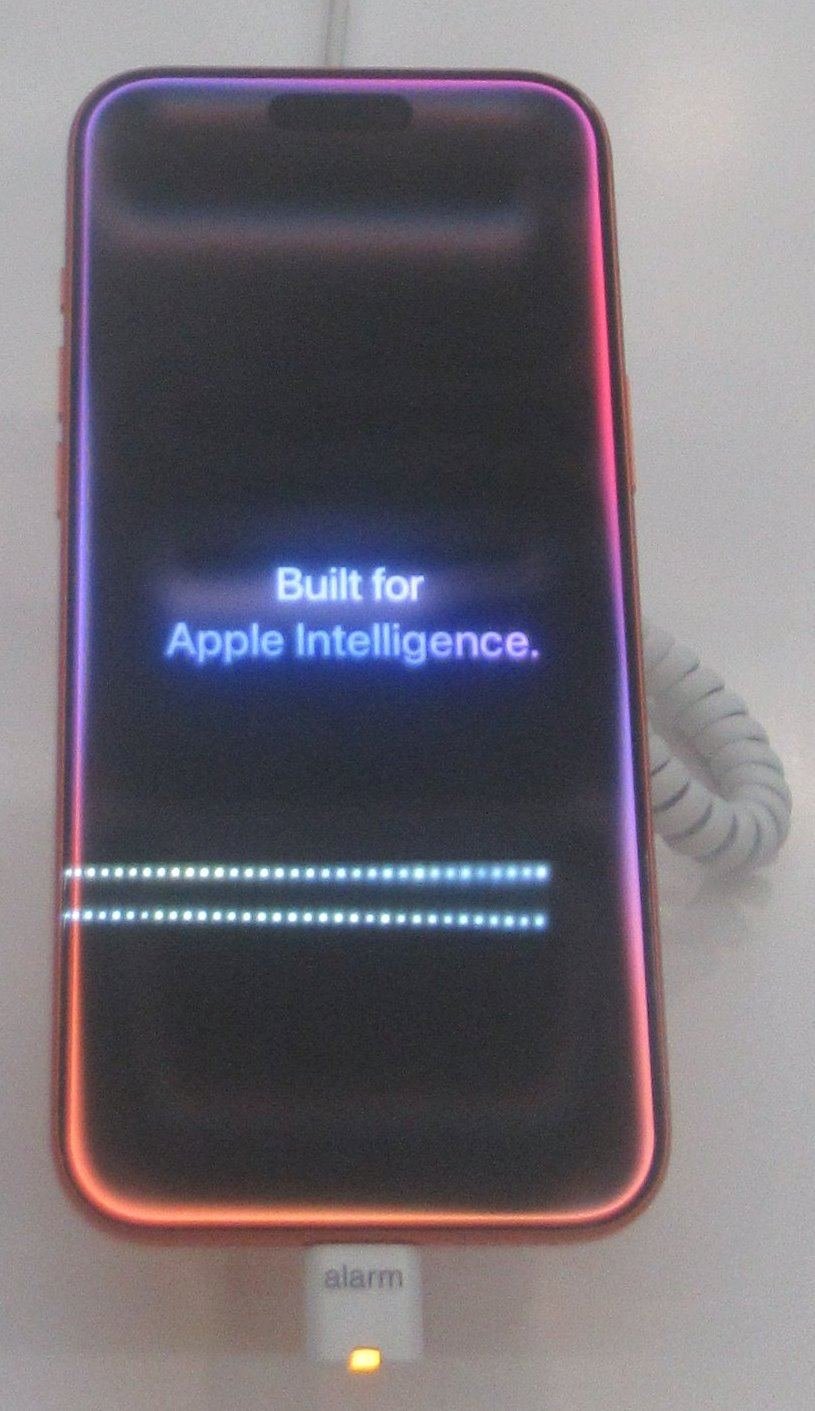
On device artificial intelligence chips are reshaping what smartphones can do offline, from editing photos and transcribing speech to translating conversations without constant connectivity. Chip designers are adding specialised processors that handle machine learning tasks efficiently, reducing delays and keeping more personal information on the phone itself. For users, the change can feel subtle but powerful, with cameras recognising scenes faster, keyboards predicting more accurately and assistants responding even in airplane mode. Manufacturers also see battery benefits, because dedicated silicon can complete repeated tasks using less energy than relying entirely on the main processor or cloud. As these chips spread to mid range phones, advanced features may become standard rather than a premium extra reserved for flagship models each year.
What the Evidence Shows
Developers are beginning to design apps around local processing, allowing image search, voice notes and document summaries to work quickly without sending everything online. Privacy advocates welcome the direction, while still asking phone makers to explain clearly what data stays local, what leaves the device and why. Performance will still vary, because chip capability, software optimisation and available memory all affect how smoothly demanding features run during everyday use for owners. The next contest among phone brands may focus less on raw specifications and more on useful intelligence that saves time without draining the battery. For buyers, testing real tasks such as photo editing, dictation and translation will reveal more than benchmark numbers alone when choosing a phone. Reporting and analysis from sources such as IEEE Spectrum track the same developments, and specialists following on-device AI chips in smartphones say the direction is now consistent across independent lines of evidence.
The Wider Context
Adoption of on-device AI chips in smartphones follows a familiar pattern with an unfamiliar speed. Early users tolerate rough edges in exchange for advantage, mainstream users arrive when the tool disappears into existing workflows, and the market consolidates around whoever made that transition feel effortless. Vendors are racing less on raw performance now than on integration, support and trust.
What Happens Next
The realistic forecast for on-device AI chips in smartphones is steady integration rather than sudden replacement: embedded in products people already use, improving in increments, and regulated in proportion to its reach. The companies and institutions that plan on that basis, training staff and redesigning processes instead of chasing launches, are the ones the adoption data tends to vindicate. You can follow related developments in our coverage of technology.
It is also worth remembering how quickly the picture in this area has changed before. Positions that looked settled a few years ago have been revised as new data arrived, and the same humility is appropriate now. The strongest coverage of this subject, and the most useful advice, tends to come from sources that update their views openly when the facts move, rather than defending an earlier position long after it has stopped fitting the evidence available.
