


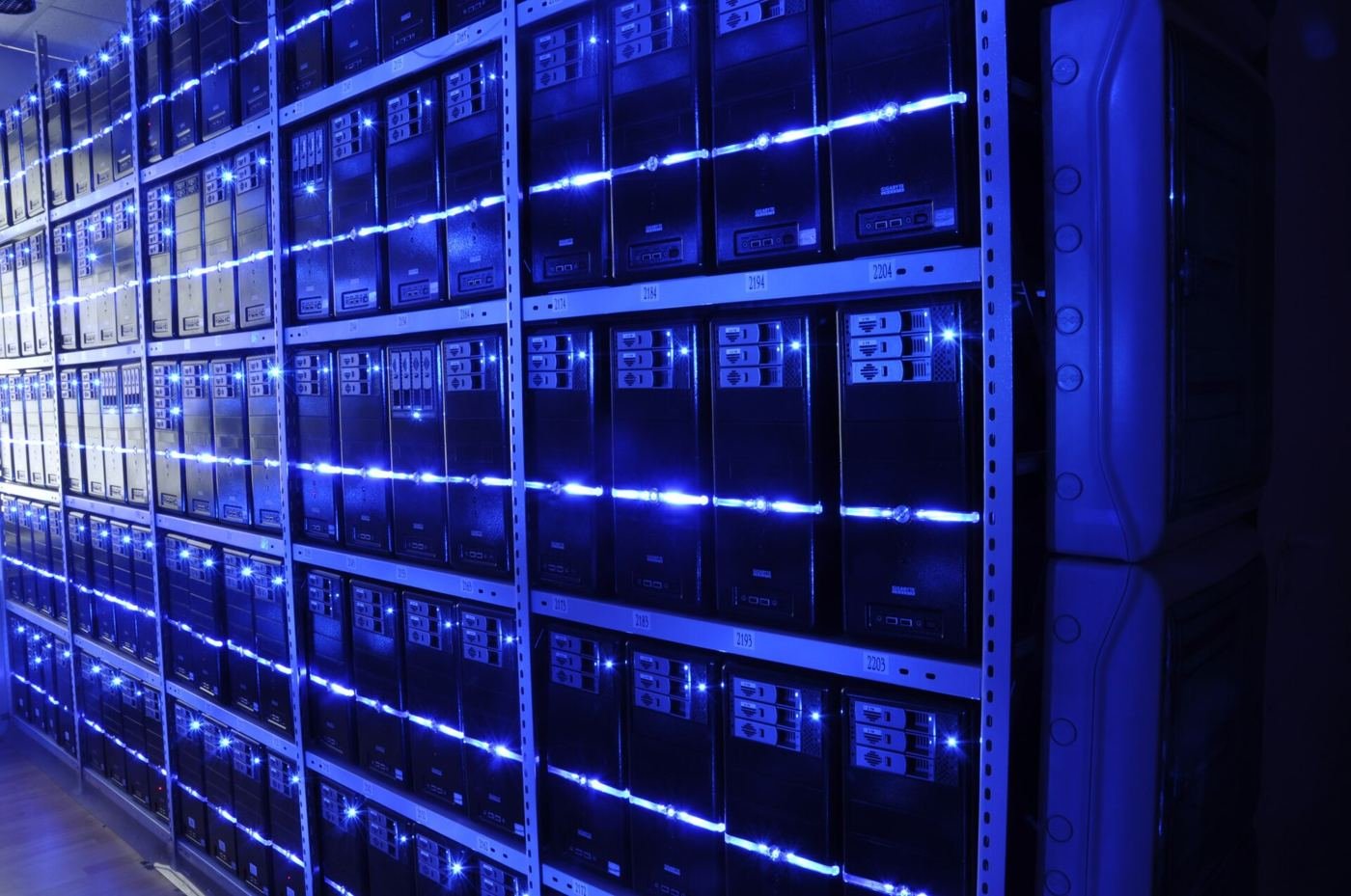
Data centres are being redesigned around artificial intelligence workloads that demand far more power and cooling than the cloud services of a decade ago. Engineers are installing denser server racks, liquid cooling systems and smarter power management to handle training and running large AI models without wasting energy. Operators say location decisions now weigh electricity supply, water availability and fibre connections as heavily as land prices, reshaping where new facilities are built. For local communities, a data centre can bring skilled jobs and investment, but also difficult questions about energy use that companies must answer openly. The facilities going up today will quietly underpin everything from medical research to everyday phone applications. Governments are updating planning and grid rules to keep pace with demand from operators seeking connections for new sites.
What the Evidence Shows
Efficiency is the central engineering challenge, because AI hardware produces intense heat and consumes power around the clock rather than in predictable daily patterns. Liquid cooling, heat reuse for nearby buildings and software that shifts workloads to times of cleaner electricity are all being tested at scale by major operators. Engineers also build in extensive redundancy, with backup power and duplicated network routes, because customers expect AI services to stay available during failures and maintenance. Smaller, regional facilities are appearing too, placing computing power closer to users to reduce delay for applications such as video, gaming and industrial automation. The data centre is becoming critical national infrastructure, and its design standards will shape digital growth for years. Training for data centre engineers is expanding quickly, as operators compete for staff who understand both computing and power systems. Reporting and analysis from sources such as IEEE Spectrum track the same developments, and specialists following data centres redesigned for AI workloads say the direction is now consistent across independent lines of evidence.
The Wider Context
Adoption of data centres redesigned for AI workloads follows a familiar pattern with an unfamiliar speed. Early users tolerate rough edges in exchange for advantage, mainstream users arrive when the tool disappears into existing workflows, and the market consolidates around whoever made that transition feel effortless. Vendors are racing less on raw performance now than on integration, support and trust.
What Happens Next
The realistic forecast for data centres redesigned for AI workloads is steady integration rather than sudden replacement: embedded in products people already use, improving in increments, and regulated in proportion to its reach. The companies and institutions that plan on that basis, training staff and redesigning processes instead of chasing launches, are the ones the adoption data tends to vindicate. You can follow related developments in our coverage of technology.
It is also worth remembering how quickly the picture in this area has changed before. Positions that looked settled a few years ago have been revised as new data arrived, and the same humility is appropriate now. The strongest coverage of this subject, and the most useful advice, tends to come from sources that update their views openly when the facts move, rather than defending an earlier position long after it has stopped fitting the evidence available.
