


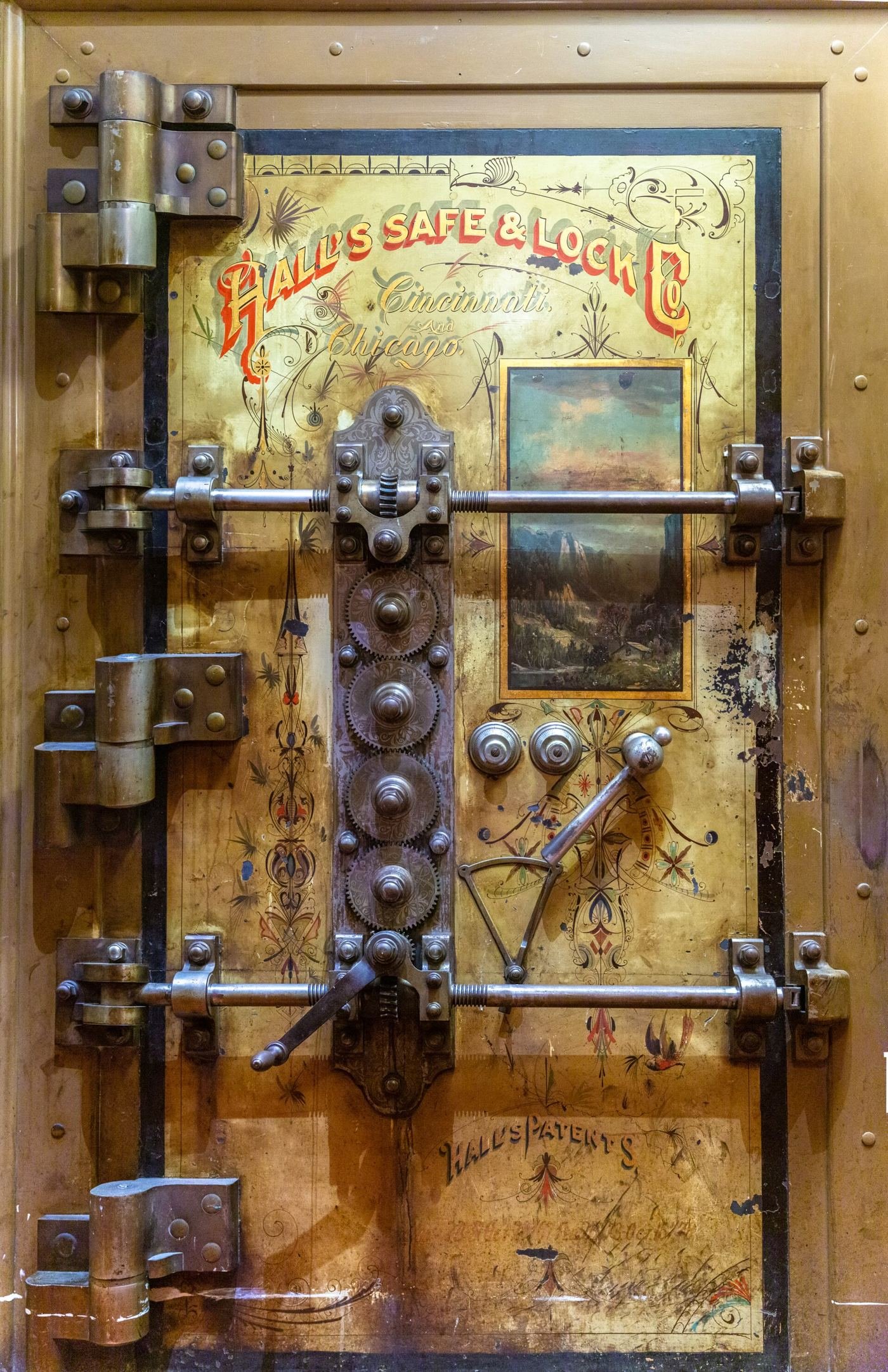
Digital vaults are becoming standard equipment for organisations trying to end the era of shared passwords written in spreadsheets, messages and notebooks. A vault stores credentials, keys and sensitive documents in encrypted form, releasing them only to authorised people and recording every access for review. Security specialists say stolen and reused passwords remain behind a large share of breaches, making better credential management one of the highest value improvements a company can make. Modern vaults also support passkeys, one time codes and automatic rotation of passwords for critical systems. For staff, the experience can be simpler than the old habits it replaces, with one strong login unlocking approved access throughout the working day. Smaller firms can adopt the same tools through affordable subscriptions, closing a gap that attackers have exploited for years.
What the Evidence Shows
Rolling out a vault successfully depends on clear rules about who owns each credential, especially for shared service accounts that several administrators may need during an emergency. Organisations should plan secure break glass access for serious incidents, test recovery procedures and remove former employees from every system promptly when they leave. Training matters as much as technology, because staff who understand why sharing passwords is risky are less likely to work around the new system. Vaults do not replace other defences such as multifactor authentication and patching, but they close a common and easily exploited gap. As cyber threats grow more automated, disciplined control of digital keys is becoming a basic expectation from customers, insurers and regulators alike. Regular audits of vault records help managers spot dormant accounts and unusual access before either becomes a serious incident. Reporting and analysis from sources such as MIT Technology Review track the same developments, and specialists following digital vaults ending shared passwords say the direction is now consistent across independent lines of evidence.
The Wider Context
The wider context is an industry learning to ship capability and restraint together. Products built around digital vaults ending shared passwords now launch with safety evaluations, usage data and rollback plans as standard, because enterprise buyers and regulators ask for them in the first meeting. Companies that treated those questions as friction are discovering they have become the purchase criteria.
What Happens Next
What happens next for digital vaults ending shared passwords depends less on another breakthrough than on the unglamorous work of reliability, pricing and support. The buyers evaluating it now are not enthusiasts; they are operators with budgets and auditors, and their checklists will decide the timeline. On the evidence of the current pilots, the technology has earned the right to be judged by them. You can follow related developments in our coverage of technology.
There is a practical lesson in all of this for readers deciding what to do today. Start with the verified facts, be wary of anyone promising certainty, and prefer reversible steps while the evidence is still developing. Circumstances differ by country, income and personal situation, so general guidance should always be weighed against your own context before you act on it in any significant or lasting way.
