


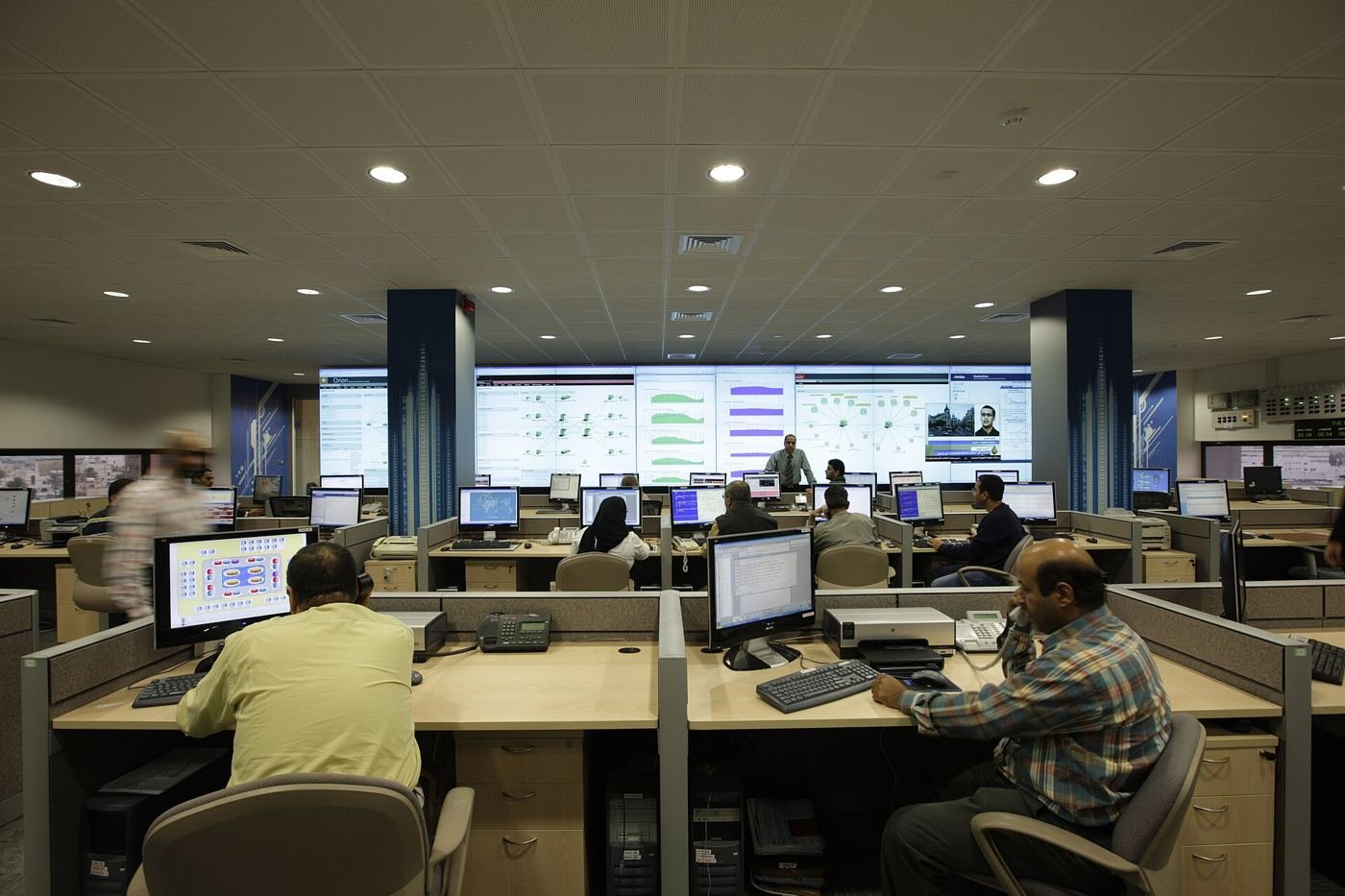
Security analysts are using live monitoring to stop attacks earlier, watching networks around the clock for the small anomalies that often appear before a major breach becomes visible. Modern operations centres combine alerts from computers, cloud services and login systems into a single view, helping analysts judge whether an unusual event is harmless activity or the first step in a coordinated intrusion. Speed matters because attackers move quickly once inside, searching for valuable data and backup systems within hours of gaining access. Automation helps sort routine alerts and highlight the cases most deserving human attention, but experienced analysts remain essential for understanding context and deciding when to isolate a system. Organisations of every size are now expected to detect trouble early, not simply discover a breach weeks later from a customer, bank or regulator. Demand for these skills continues to outpace supply, so employers are training analysts from wider technology backgrounds and using automation carefully to prevent experienced staff burning out under an endless stream of low level alerts and overnight calls.
What the Evidence Shows
Effective monitoring depends on good preparation long before an alert appears, including accurate inventories of devices, clear ownership of systems and tested plans for who can make urgent decisions at night or weekends. Analysts recommend practising incident response with realistic exercises, so staff are not learning roles and contact lists during a genuine emergency. Multifactor authentication, prompt patching and limited user privileges still prevent many intrusions from succeeding at all, giving monitoring teams a manageable number of serious signals to investigate. When an incident does occur, honest communication with affected customers and regulators protects trust as well as systems. Live monitoring is therefore not just a wall of screens, but a disciplined combination of people, process and technology working continuously together. Smaller organisations can share this protection through managed monitoring services, gaining overnight coverage and specialist expertise without hiring a full internal team they could neither recruit nor retain in the current labour market. Reporting and analysis from sources such as IEEE Spectrum track the same developments, and specialists following live monitoring by cybersecurity analysts say the direction is now consistent across independent lines of evidence.
The Wider Context
Adoption of live monitoring by cybersecurity analysts follows a familiar pattern with an unfamiliar speed. Early users tolerate rough edges in exchange for advantage, mainstream users arrive when the tool disappears into existing workflows, and the market consolidates around whoever made that transition feel effortless. Vendors are racing less on raw performance now than on integration, support and trust.
What Happens Next
The realistic forecast for live monitoring by cybersecurity analysts is steady integration rather than sudden replacement: embedded in products people already use, improving in increments, and regulated in proportion to its reach. The companies and institutions that plan on that basis, training staff and redesigning processes instead of chasing launches, are the ones the adoption data tends to vindicate. You can follow related developments in our coverage of technology.
It is also worth remembering how quickly the picture in this area has changed before. Positions that looked settled a few years ago have been revised as new data arrived, and the same humility is appropriate now. The strongest coverage of this subject, and the most useful advice, tends to come from sources that update their views openly when the facts move, rather than defending an earlier position long after it has stopped fitting the evidence available.
