


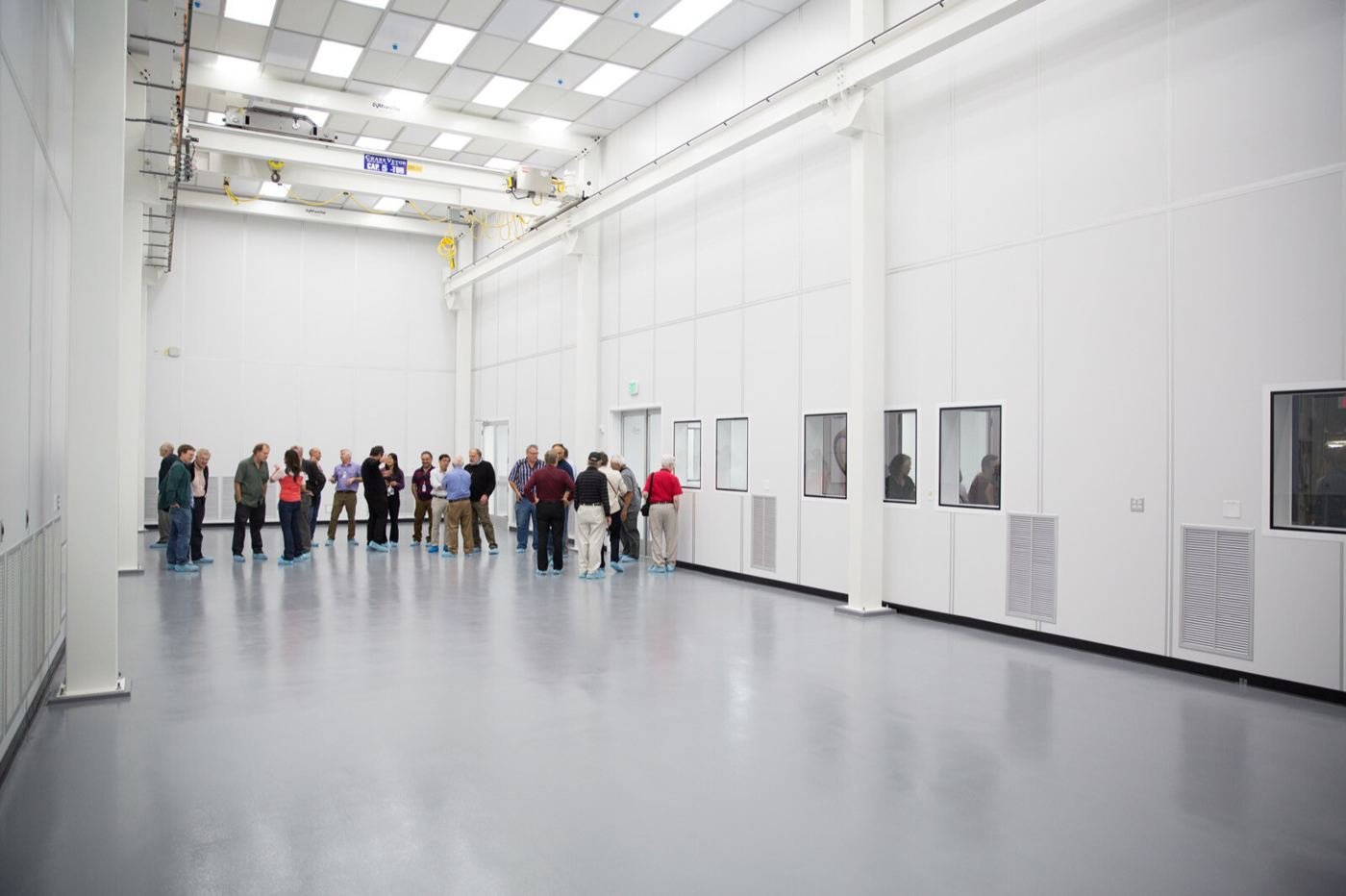
Chip plants are training local technicians as clean room hiring expands, recognising that the specialised workforce a semiconductor factory needs cannot simply be recruited ready made from the surrounding towns. Working inside a clean room is unlike ordinary factory work, with technicians gowned head to toe, following strict routines to keep dust measured in specks away from wafers worth more than the cars many of them drive. Training programmes run with local colleges now teach the foundations over several months, combining electronics, vacuum systems, chemical safety and the patient documentation habits that trace every process step when a fault must be found later. Employers say school leavers and career changers both succeed in the roles, because the qualities that matter most, careful observation, steady hands and honesty about mistakes, are not limited to people who already hold engineering degrees. The expansion reflects wider efforts to make more chips closer to the markets that use them, after shortages taught car makers, hospitals and phone companies how fragile distant supply chains can become under pressure. For the towns hosting the plants, technician roles offer skilled, long term employment that does not require moving away, the kind of opportunity regional leaders have requested for years from the technology industry and its investors.
What the Evidence Shows
Inside the training centres, recruits practise on retired equipment before touching a live line, learning how a single contaminated wafer can scrap a batch and why stopping a process to ask a question is praised rather than punished. Shift patterns are explained honestly from the start, because clean rooms run around the clock and the work suits people who plan their lives around rotating schedules rather than discovering them later. Pay progression follows certified skills, giving technicians a visible ladder from supervised tasks toward owning a process area and training newcomers themselves. Colleges benefit as well, updating their electronics courses with equipment and guest teaching from the plants so qualifications match what employers actually need this decade. Industry groups caution that training pipelines take years to mature, so today’s classes will not solve every vacancy immediately, yet each cohort widens the pool the next expansion can draw from locally. The deeper story is a shift in how advanced manufacturing thinks about people, treating skilled technicians not as a cost to minimise but as the scarce resource around which the whole factory is planned, staffed and scheduled every single week of production. Reporting and analysis from sources such as MIT Technology Review track the same developments, and specialists following chip plants train local clean room technicians say the direction is now consistent across independent lines of evidence.
The Wider Context
The wider context is an industry learning to ship capability and restraint together. Products built around chip plants train local clean room technicians now launch with safety evaluations, usage data and rollback plans as standard, because enterprise buyers and regulators ask for them in the first meeting. Companies that treated those questions as friction are discovering they have become the purchase criteria.
What Happens Next
What happens next for chip plants train local clean room technicians depends less on another breakthrough than on the unglamorous work of reliability, pricing and support. The buyers evaluating it now are not enthusiasts; they are operators with budgets and auditors, and their checklists will decide the timeline. On the evidence of the current pilots, the technology has earned the right to be judged by them. You can follow related developments in our coverage of technology.
