


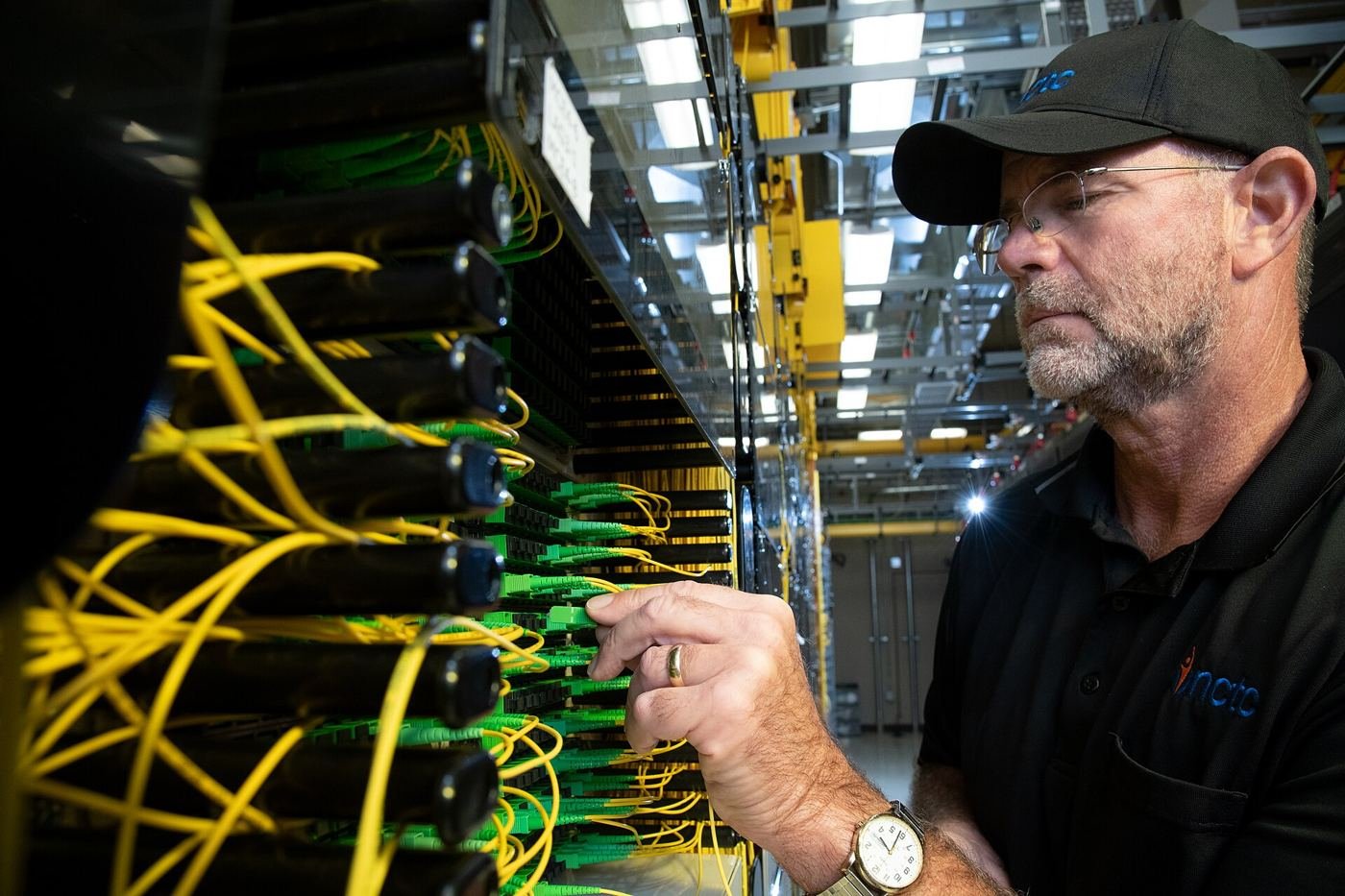
Broadband crews are connecting rural villages as fibre building reaches harder ground, bringing full fibre cables to communities that have waited years behind easier towns and suburbs in the national rollout. The work looks different in the countryside, with cables threaded along lanes, across fields by agreement with farmers and sometimes attached to poles that must first be replaced before they can carry the new lines safely. Technicians describe village builds as slower per home but more rewarding, because residents know exactly what faster, more reliable broadband will change for homework, remote work, farm administration and video calls with family far away. Local councils help by coordinating roadworks so fibre ducts go in while lanes are already dug for other repairs, sparing villages repeated closures in the same year wherever the timetables can be made to agree. Booking an installation still takes patience, since each property needs a survey and some older homes present awkward routes for the final cable run from the street to the router inside. Even so, the first connected streets quickly become advocates, reporting back to parish meetings that the service works as promised and encouraging neighbours further from the cabinet to register their interest formally with the provider building the local network this season.
What the Evidence Shows
Engineers plan rural builds around seasons as much as maps, avoiding saturated ground in winter where machinery would damage verges and waiting for harvest before crossing particular fields by agreement with the farmers who work them. Community halls often host the network’s local cabinet and information evenings, where residents can ask engineers directly about timings instead of relying on rumour and outdated postcode checkers online. Small rural businesses stand to gain disproportionately, from holiday lets whose guests expect streaming and video calls to workshops that can finally back up designs and accounts to the cloud without an overnight upload. Health services are watching too, because reliable connections make video consultations realistic for patients who currently face long drives for routine appointments. Providers admit the economics remain challenging, which is why public funding still supports the hardest areas and why honest build dates matter more than optimistic announcements that slip quietly. When the green cabinet light finally switches on in a village that has waited a decade, the celebration is understandable, because full fibre is not a luxury upgrade but the basic utility modern rural life increasingly assumes is simply there. Reporting and analysis from sources such as IEEE Spectrum track the same developments, and specialists following broadband crews connect rural villages with fibre say the direction is now consistent across independent lines of evidence.
The Wider Context
Adoption of broadband crews connect rural villages with fibre follows a familiar pattern with an unfamiliar speed. Early users tolerate rough edges in exchange for advantage, mainstream users arrive when the tool disappears into existing workflows, and the market consolidates around whoever made that transition feel effortless. Vendors are racing less on raw performance now than on integration, support and trust.
What Happens Next
The realistic forecast for broadband crews connect rural villages with fibre is steady integration rather than sudden replacement: embedded in products people already use, improving in increments, and regulated in proportion to its reach. The companies and institutions that plan on that basis, training staff and redesigning processes instead of chasing launches, are the ones the adoption data tends to vindicate. You can follow related developments in our coverage of technology.
