


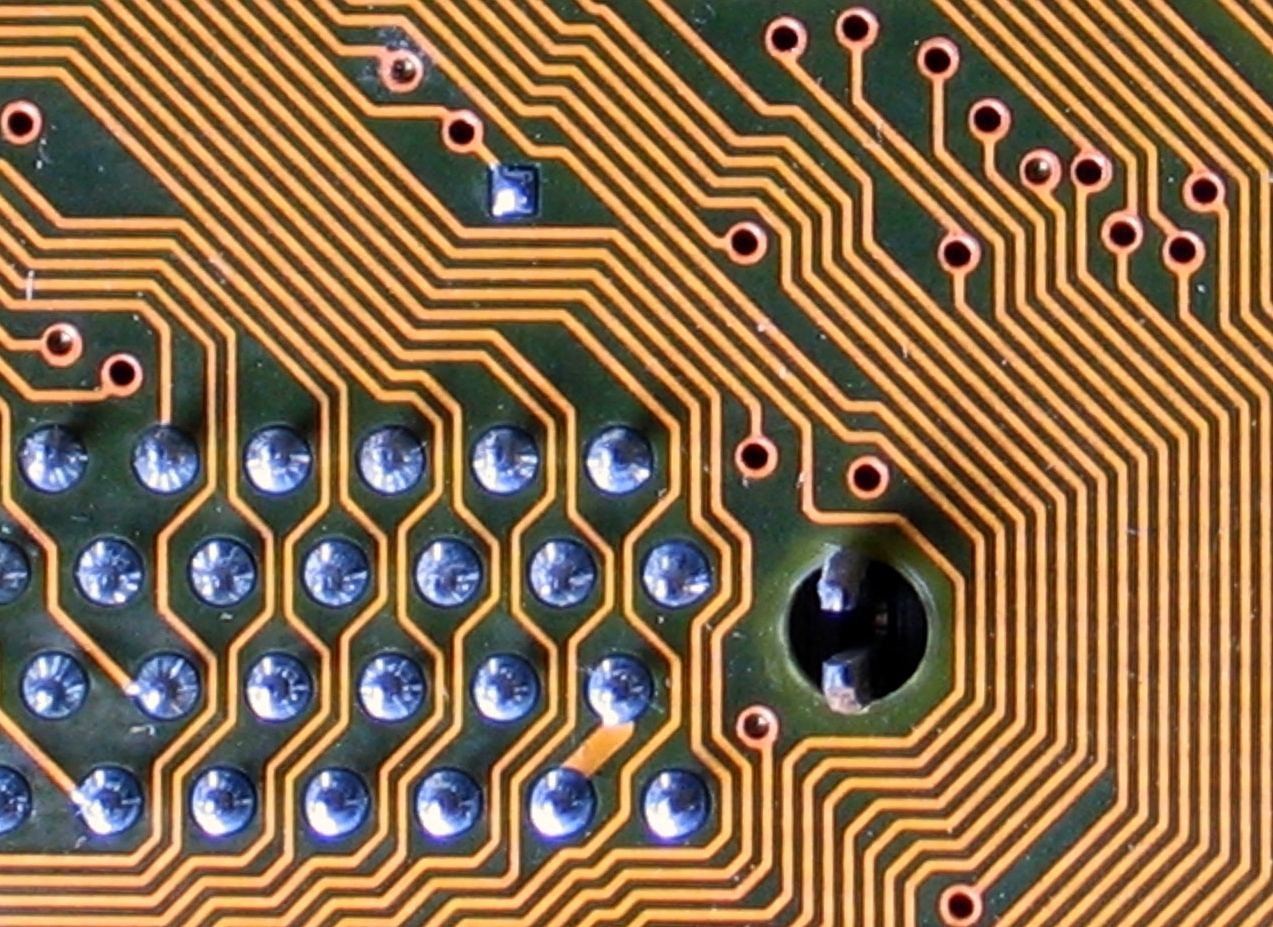
The newest smartphone processors mark a clear shift in priorities, with manufacturers emphasising energy efficiency over headline speed gains. For most users, phones already feel fast enough for messaging, photography, streaming and everyday apps, so longer battery life and cooler operation now matter more than benchmark records. Chip designers are achieving those gains through refined manufacturing processes, smarter scheduling of tasks between performance and efficiency cores, and dedicated hardware for artificial intelligence features. That dedicated hardware handles tasks such as photo enhancement, voice recognition and live translation without waking the main processor, saving power throughout the day. The result is a phone that lasts longer between charges and sustains performance during gaming or video recording without uncomfortable heat. Efficiency also supports thinner designs and smaller batteries, giving manufacturers more freedom in how devices look and feel. Industry analysts note that this focus reflects a maturing market, where meaningful progress is measured in hours of use rather than fractions of a second. For buyers comparing new models, endurance and thermal behaviour are becoming the specifications that reveal the most about daily satisfaction.
What the Evidence Shows
Efficiency gains depend on software working in harmony with the hardware. Operating systems now learn individual routines, predicting which apps to prepare and which background tasks to restrict, so the chip spends more time in low-power states. Developers are encouraged to optimise their apps for these systems, reducing unnecessary background activity that drains batteries across millions of devices. There are environmental benefits as well, since phones that remain usable for longer delay replacement and reduce electronic waste. Efficient chips also generate less heat, which slows battery degradation and helps devices retain capacity over several years of ownership. Challenges remain for the most demanding uses, including high-end gaming and extended augmented reality sessions, where power and heat limits still bite. Chip makers are responding with improved cooling partnerships and graphics processing that delivers smoother visuals at lower energy cost. The broader lesson for the industry is that restraint can be a feature. A processor designed to do the right work at the right moment serves users better than one chasing maximum speed at any price. Reporting and analysis from sources such as IEEE Spectrum track the same developments, and specialists following energy-efficient phone chips say the direction is now consistent across independent lines of evidence.
The Wider Context
Adoption of energy-efficient phone chips follows a familiar pattern with an unfamiliar speed. Early users tolerate rough edges in exchange for advantage, mainstream users arrive when the tool disappears into existing workflows, and the market consolidates around whoever made that transition feel effortless. Vendors are racing less on raw performance now than on integration, support and trust.
What Happens Next
The realistic forecast for energy-efficient phone chips is steady integration rather than sudden replacement: embedded in products people already use, improving in increments, and regulated in proportion to its reach. The companies and institutions that plan on that basis, training staff and redesigning processes instead of chasing launches, are the ones the adoption data tends to vindicate. You can follow related developments in our coverage of technology.
It is also worth remembering how quickly the picture in this area has changed before. Positions that looked settled a few years ago have been revised as new data arrived, and the same humility is appropriate now. The strongest coverage of this subject, and the most useful advice, tends to come from sources that update their views openly when the facts move, rather than defending an earlier position long after it has stopped fitting the evidence available.
