


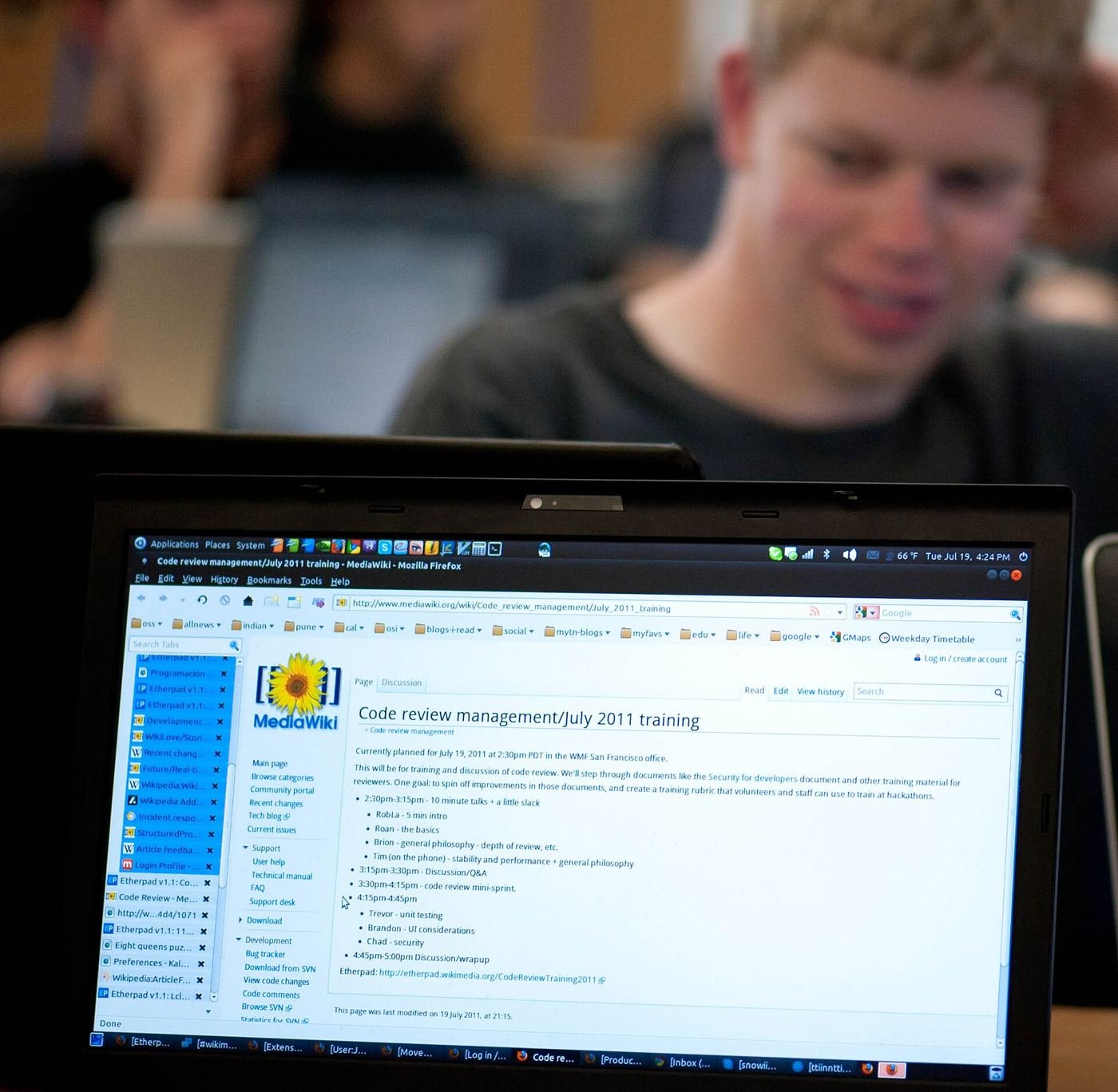
Software teams are reviewing code more carefully as AI writes faster, discovering that tools which generate working code in seconds shift the real effort from typing to checking, testing and truly understanding what was produced. Senior engineers say the craft is moving upward, with developers spending more time defining problems precisely, setting tests that prove behaviour and reading generated changes line by line before anything reaches customers. Teams are updating their rules accordingly, requiring the same review for AI-assisted code as for human work, plus extra attention to licences, data handling and any place the code touches passwords, payments or personal information. Junior programmers still need to learn fundamentals deeply, mentors warn, because nobody can judge code they could not roughly write or at least reason about themselves when the tool is unavailable. Used well, the assistants remove drudgery, boilerplate and blank-page dread, but they have made careful review the centre of professional software work.
What the Evidence Shows
Practical teams are building habits around the new pace, asking AI tools for smaller changes that are easier to inspect, demanding explanations alongside code and running automated tests before a human reviewer spends time on any submission. Some keep a simple log of where generated code caused defects, which quickly reveals the tasks the tools handle reliably and the areas, such as concurrency or legacy integrations, where they regularly mislead their users. Security specialists recommend scanning generated code with the same automated checkers applied to vendor software, because a plausible-looking shortcut around authentication can survive casual reading by even experienced developers. Training sessions now include reviewing deliberately flawed AI output, sharpening the scepticism junior staff need without discouraging them from using powerful tools well. The profession is not being replaced, teams conclude, but repriced, with judgement, verification and clear thinking worth more than ever precisely because raw code has become cheap to produce. Reporting and analysis from sources such as IEEE Spectrum track the same developments, and specialists following software teams review AI generated code say the direction is now consistent across independent lines of evidence.
The Wider Context
Adoption of software teams review AI generated code follows a familiar pattern with an unfamiliar speed. Early users tolerate rough edges in exchange for advantage, mainstream users arrive when the tool disappears into existing workflows, and the market consolidates around whoever made that transition feel effortless. Vendors are racing less on raw performance now than on integration, support and trust.
What Happens Next
The realistic forecast for software teams review AI generated code is steady integration rather than sudden replacement: embedded in products people already use, improving in increments, and regulated in proportion to its reach. The companies and institutions that plan on that basis, training staff and redesigning processes instead of chasing launches, are the ones the adoption data tends to vindicate. You can follow related developments in our coverage of technology.
It is also worth remembering how quickly the picture in this area has changed before. Positions that looked settled a few years ago have been revised as new data arrived, and the same humility is appropriate now. The strongest coverage of this subject, and the most useful advice, tends to come from sources that update their views openly when the facts move, rather than defending an earlier position long after it has stopped fitting the evidence available.
