


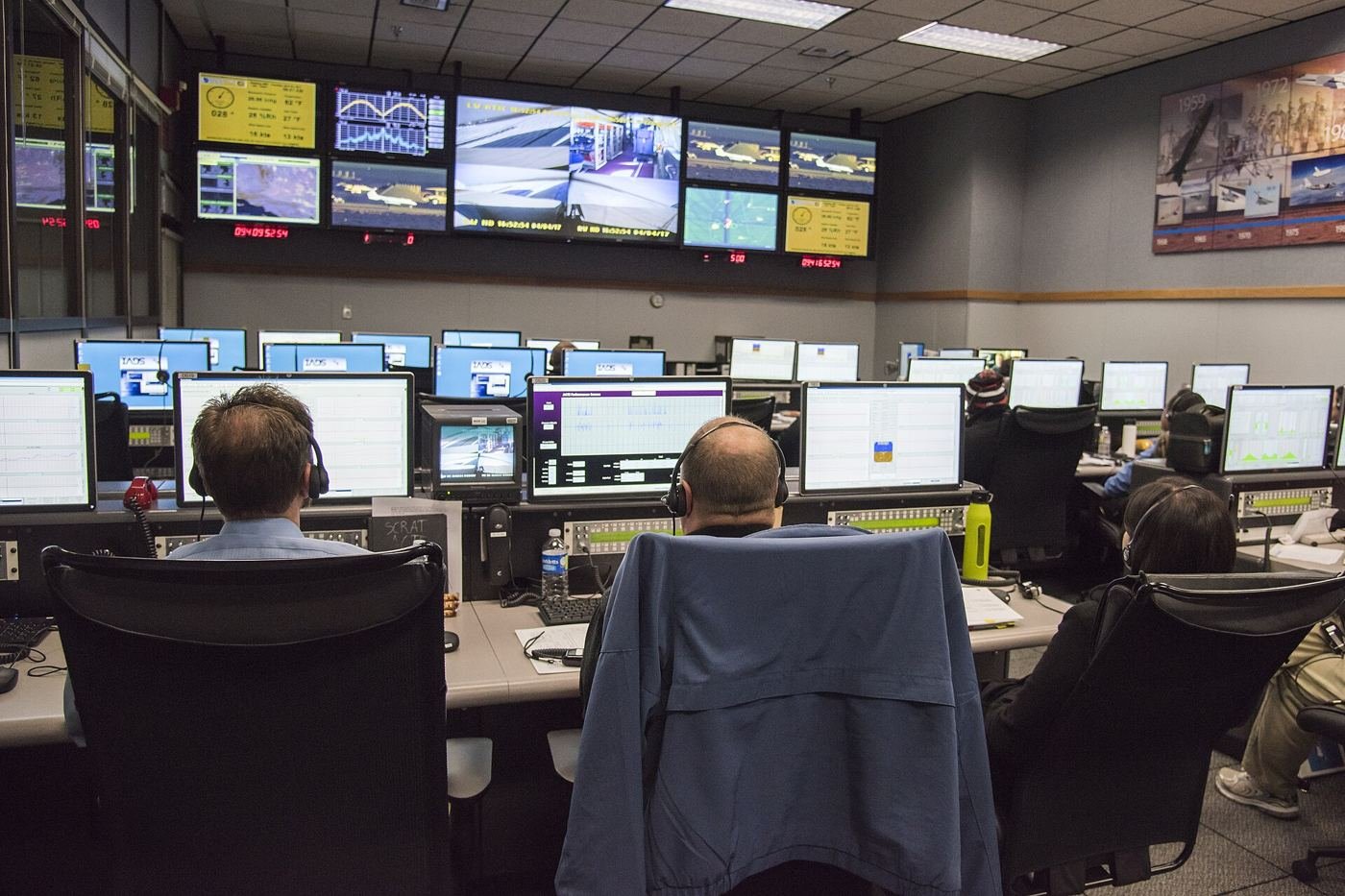
Data centres are hiring engineers to keep AI systems running cool, because the powerful processors behind modern artificial intelligence generate far more heat than the equipment data halls were originally designed to handle comfortably. A single rack of AI servers can draw as much electricity as a row of houses, and nearly all of that energy becomes heat that must be removed continuously or the hardware throttles, fails and takes valuable services down with it. Operators say the skills shortage is real, since the work blends electrical engineering, plumbing-like fluid systems and software monitoring in a combination few traditional training routes cover completely. New facilities are being designed around cooling from the first drawing, with layouts, power supplies and water use planned together instead of cooling being squeezed in afterwards. Behind every effortless AI answer on a screen sits this physical struggle with heat, fought daily by engineers most users will never hear about.
What the Evidence Shows
Liquid cooling is becoming the defining change, with plates fitted directly to processors and, in some facilities, servers immersed in specially engineered fluids that transfer heat far more effectively than air ever could. These systems cost more to install but can cut cooling energy sharply, an important gain when electricity is both a major expense and the limiting factor on where new capacity can be built. Engineers retraining from related industries, including marine engineering, refrigeration and power generation, are finding their experience translates surprisingly well to data halls hungry for practical thermal expertise. Efficiency is measured relentlessly, with operators tracking how much power reaches the computers themselves versus how much is spent on cooling, lighting and other overheads the business would rather shrink. Communities near new sites ask fair questions about water and energy use, pushing operators toward designs that reuse waste heat for nearby buildings and publish their consumption honestly. As AI demand grows, the cooling engineer has quietly become one of technology’s most important people, keeping the digital world running at a safe temperature. Reporting and analysis from sources such as MIT Technology Review track the same developments, and specialists following data centres hire engineers for cooling say the direction is now consistent across independent lines of evidence.
The Wider Context
The wider context is an industry learning to ship capability and restraint together. Products built around data centres hire engineers for cooling now launch with safety evaluations, usage data and rollback plans as standard, because enterprise buyers and regulators ask for them in the first meeting. Companies that treated those questions as friction are discovering they have become the purchase criteria.
What Happens Next
What happens next for data centres hire engineers for cooling depends less on another breakthrough than on the unglamorous work of reliability, pricing and support. The buyers evaluating it now are not enthusiasts; they are operators with budgets and auditors, and their checklists will decide the timeline. On the evidence of the current pilots, the technology has earned the right to be judged by them. You can follow related developments in our coverage of technology.
There is a practical lesson in all of this for readers deciding what to do today. Start with the verified facts, be wary of anyone promising certainty, and prefer reversible steps while the evidence is still developing. Circumstances differ by country, income and personal situation, so general guidance should always be weighed against your own context before you act on it in any significant or lasting way.
