


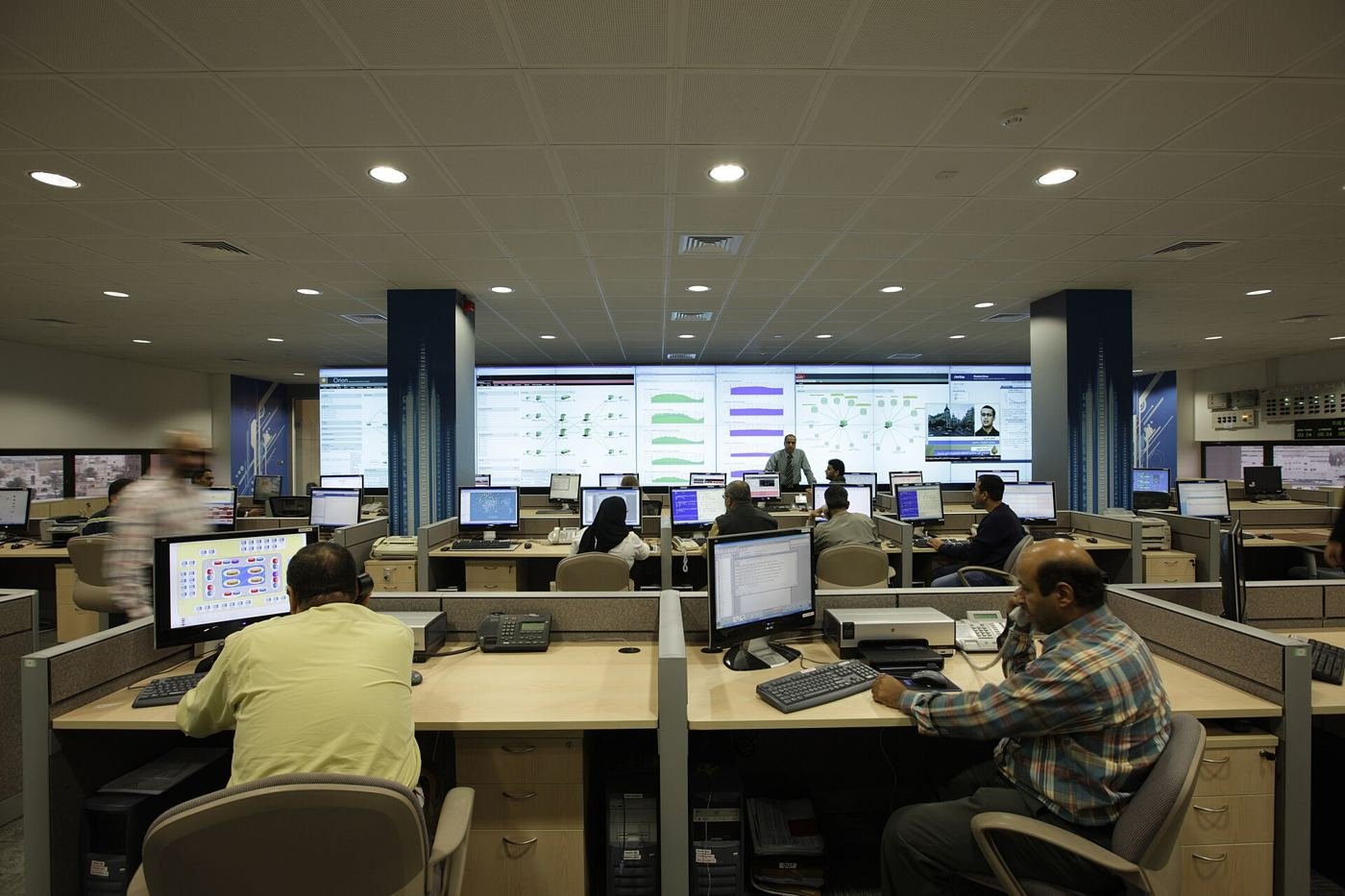
Security teams are turning to behaviour analytics to identify insider risks earlier, before a compromised account or a careless employee causes serious damage. The tools build a picture of normal activity for each user, such as typical login times, devices and files accessed, then flag departures that deserve investigation. A staff account suddenly downloading large volumes of data at midnight, for example, stands out against months of ordinary behaviour. Analysts say this approach catches threats that traditional rule-based systems miss, because attackers using stolen credentials often pass standard checks. It also helps distinguish genuine mistakes from malicious action, allowing teams to respond proportionately with training in some cases and containment in others. Privacy considerations shape how the technology is deployed, with responsible organisations limiting monitoring to work systems and explaining policies clearly to staff. Used well, analytics reduce the flood of low-value alerts that exhaust security teams, surfacing the small number of events that truly need human judgement. As remote and hybrid working expand the number of locations and devices involved, understanding behaviour has become as important as checking credentials at the door.
What the Evidence Shows
Deploying behaviour analytics successfully requires clean data and realistic expectations. Systems need several weeks to learn normal patterns, and early alerts should be reviewed carefully to tune out harmless anomalies such as travel or project changes. Security leaders recommend combining the tools with strong basics, including least-privilege access, prompt removal of accounts for leavers and regular phishing training, since analytics cannot compensate for weak foundations. Clear escalation procedures matter too, so analysts know when an alert becomes an incident and who must be informed. Staff communication is equally important, because monitoring introduced without explanation can damage trust and morale. Many organisations therefore involve human resources and legal teams from the start and publish transparent acceptable-use policies. Over time, the data can reveal wider improvements, such as departments holding access they no longer need. The technology is not a shortcut to safety, but as part of a layered defence it gives defenders something they have long lacked, timely context about whether activity inside the network genuinely belongs there. Reporting and analysis from sources such as MIT Technology Review track the same developments, and specialists following behaviour analytics for insider risk say the direction is now consistent across independent lines of evidence.
The Wider Context
The wider context is an industry learning to ship capability and restraint together. Products built around behaviour analytics for insider risk now launch with safety evaluations, usage data and rollback plans as standard, because enterprise buyers and regulators ask for them in the first meeting. Companies that treated those questions as friction are discovering they have become the purchase criteria.
What Happens Next
What happens next for behaviour analytics for insider risk depends less on another breakthrough than on the unglamorous work of reliability, pricing and support. The buyers evaluating it now are not enthusiasts; they are operators with budgets and auditors, and their checklists will decide the timeline. On the evidence of the current pilots, the technology has earned the right to be judged by them. You can follow related developments in our coverage of technology.
There is a practical lesson in all of this for readers deciding what to do today. Start with the verified facts, be wary of anyone promising certainty, and prefer reversible steps while the evidence is still developing. Circumstances differ by country, income and personal situation, so general guidance should always be weighed against your own context before you act on it in any significant or lasting way.
