


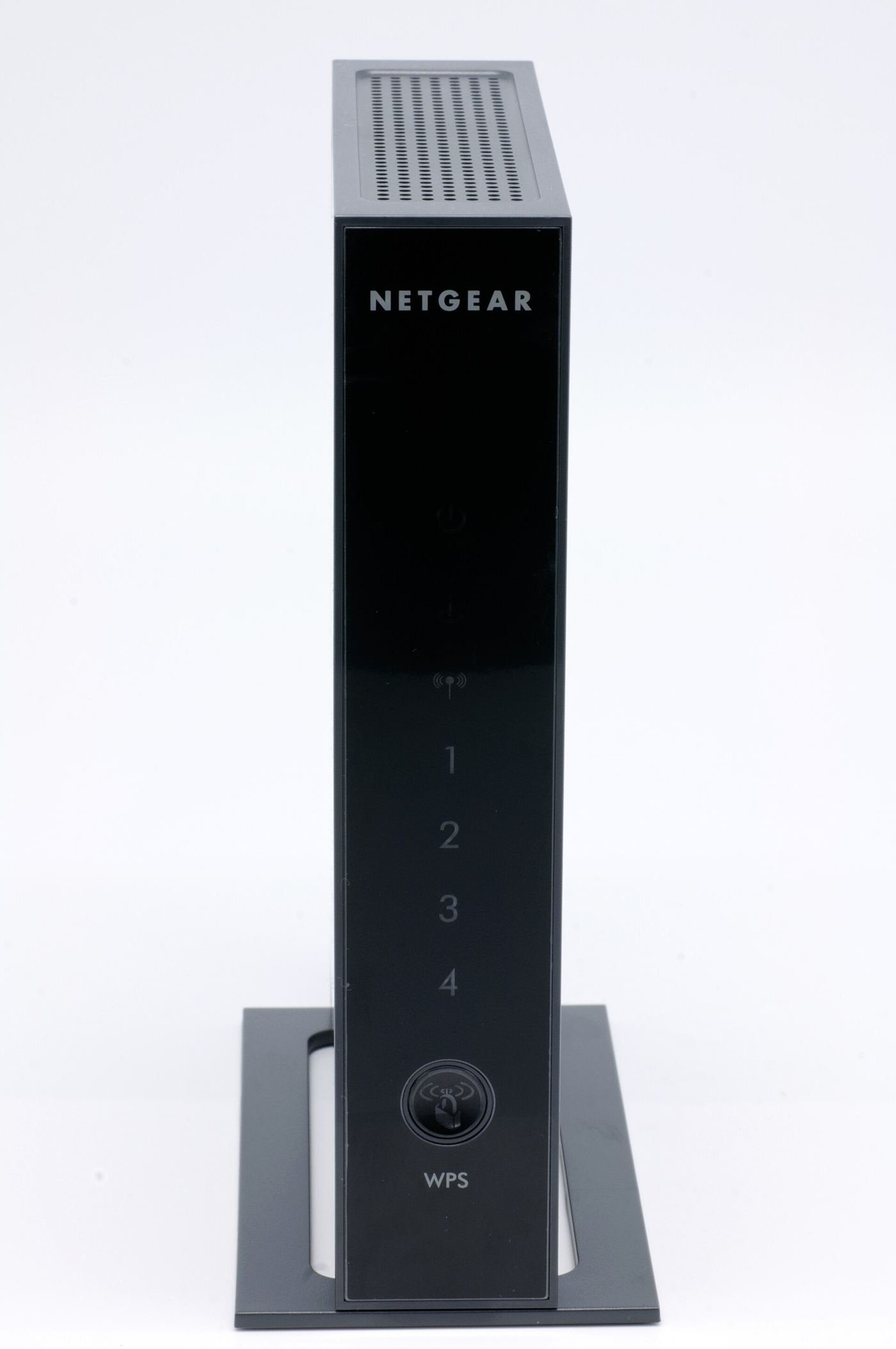
The newest wireless standard, Wi-Fi 7, has moved from the showroom into ordinary homes in 2026, and it solves a problem many households already feel. A family streaming films in one room, joining video calls in another and playing games online in a third can choke an older router, even on a fast broadband line. Wi-Fi 7, the marketing name for the IEEE 802.11be standard, was certified by the Wi-Fi Alliance in January 2024, and routers built on it are now widely sold. Its headline trick is Multi-Link Operation, which lets a device use two frequency bands at once instead of one, so a crowded network stays smooth. Wider 320 MHz channels and a denser signal also lift the top speed, though the real benefit for most homes is steadier performance when many devices are online at once.
What the Evidence Shows
Buyers should check two things before upgrading. First, the router only shows its full speed when the devices in the house support Wi-Fi 7 too, and many phones, laptops and televisions still do not, though flagship models from the last two years usually do. An older device still works, it simply connects at its own slower speed. Second, the broadband line into the house sets the real limit: a Wi-Fi 7 router cannot make a slow internet connection fast, it only stops the home network from being the bottleneck. For a household buying a new router anyway, choosing Wi-Fi 7 is now the sensible default, and prices have fallen to levels ordinary buyers can afford. Those with a working Wi-Fi 6 router and no complaints can wait, since the upgrade matters most where many devices compete for the airwaves. Reporting and analysis from sources such as IEEE Spectrum track the same developments, and specialists following Wi-Fi 7 routers say the direction is now consistent across independent lines of evidence.
The Wider Context
Adoption of Wi-Fi 7 routers follows a familiar pattern with an unfamiliar speed. Early users tolerate rough edges in exchange for advantage, mainstream users arrive when the tool disappears into existing workflows, and the market consolidates around whoever made that transition feel effortless. Vendors are racing less on raw performance now than on integration, support and trust.
What Happens Next
The realistic forecast for Wi-Fi 7 routers is steady integration rather than sudden replacement: embedded in products people already use, improving in increments, and regulated in proportion to its reach. The companies and institutions that plan on that basis, training staff and redesigning processes instead of chasing launches, are the ones the adoption data tends to vindicate. You can follow related developments in our coverage of technology.
It is also worth remembering how quickly the picture in this area has changed before. Positions that looked settled a few years ago have been revised as new data arrived, and the same humility is appropriate now. The strongest coverage of this subject, and the most useful advice, tends to come from sources that update their views openly when the facts move, rather than defending an earlier position long after it has stopped fitting the evidence available.
