


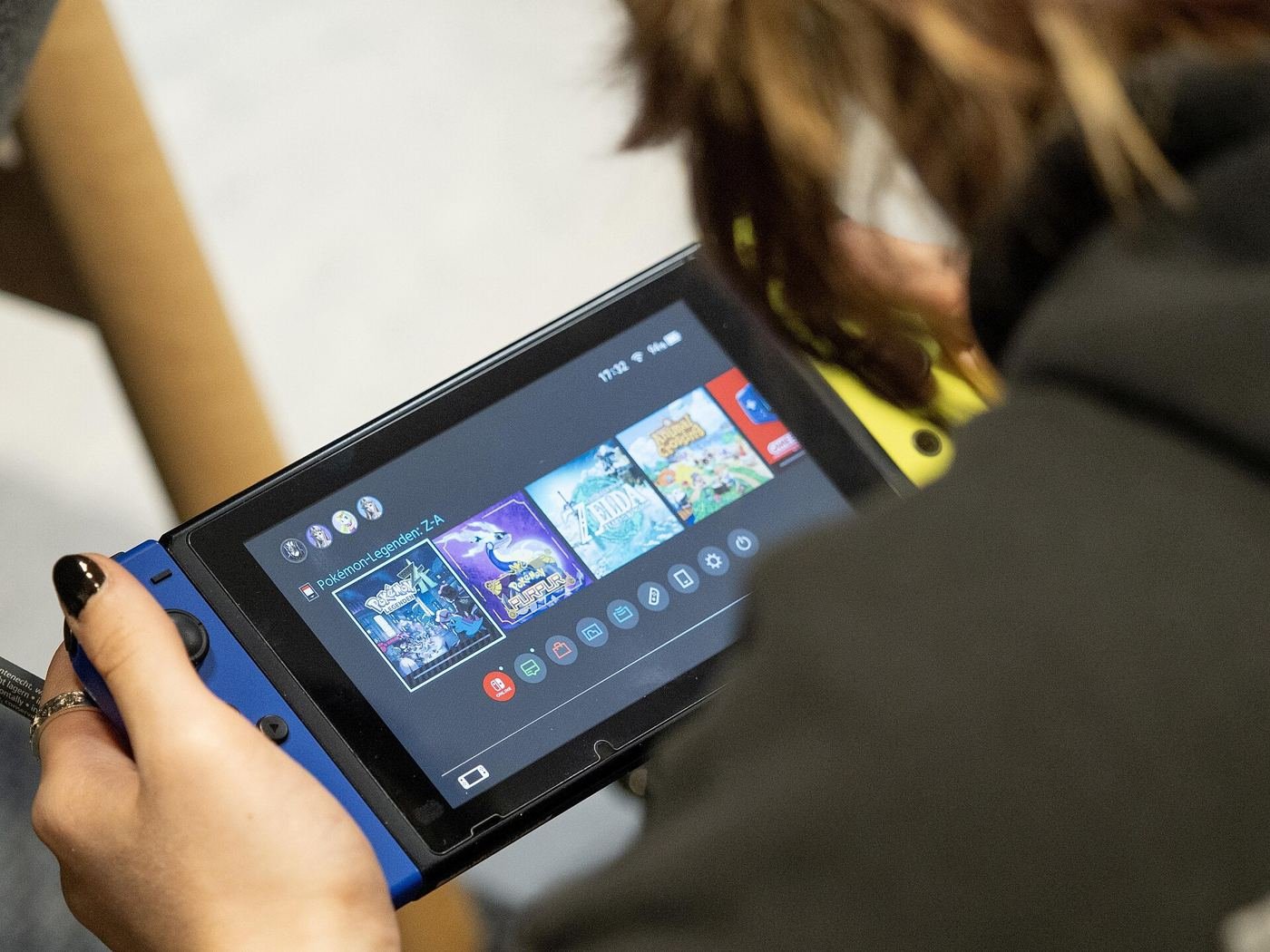
Nintendo launched the Switch 2 on 5 June 2025 at 449.99 US dollars, and it became the fastest-selling console in the company’s history. It sold 3.5 million units in its first four days and passed 10.36 million by the end of September 2025, more than double what the original Switch managed in the same period. By 30 September 2026, Nintendo’s own results put lifetime sales at 26.35 million consoles, with software sales of 73.21 million games, led by Mario Kart World at 16.48 million copies. The company had raised its first-year forecast from 15 million to 19 million units and still beat it, finishing the year to March 2026 at 19.86 million. Demand has stayed strong even after the American price rose to 499.99 dollars in September 2026, and Nintendo expects to sell 16.5 million more in the year to March 2027.
What the Evidence Shows
The console earns its success with a larger 7.9-inch screen, magnetic controllers that double as a mouse, and a GameChat feature that lets friends talk and share screens while they play. Most games from the original Switch work on it, which matters to owners with large libraries, and the original console has itself sold more than 157 million units, so the audience is enormous. Stock was short in the first months, and buyers should still beware of sellers charging far above the shop price. For owners of the original Switch, the question is whether the bigger screen and faster loading are worth the upgrade, since many new games still appear on both machines. For new buyers, the choice is simpler: the Switch 2 is the console Nintendo will build its games around for years, and its first year has already made it one of the best-selling consoles ever launched. Reporting and analysis from sources such as IEEE Spectrum track the same developments, and specialists following Nintendo Switch 2 say the direction is now consistent across independent lines of evidence.
The Wider Context
Adoption of Nintendo Switch 2 follows a familiar pattern with an unfamiliar speed. Early users tolerate rough edges in exchange for advantage, mainstream users arrive when the tool disappears into existing workflows, and the market consolidates around whoever made that transition feel effortless. Vendors are racing less on raw performance now than on integration, support and trust.
What Happens Next
The realistic forecast for Nintendo Switch 2 is steady integration rather than sudden replacement: embedded in products people already use, improving in increments, and regulated in proportion to its reach. The companies and institutions that plan on that basis, training staff and redesigning processes instead of chasing launches, are the ones the adoption data tends to vindicate. You can follow related developments in our coverage of technology.
It is also worth remembering how quickly the picture in this area has changed before. Positions that looked settled a few years ago have been revised as new data arrived, and the same humility is appropriate now. The strongest coverage of this subject, and the most useful advice, tends to come from sources that update their views openly when the facts move, rather than defending an earlier position long after it has stopped fitting the evidence available.
